
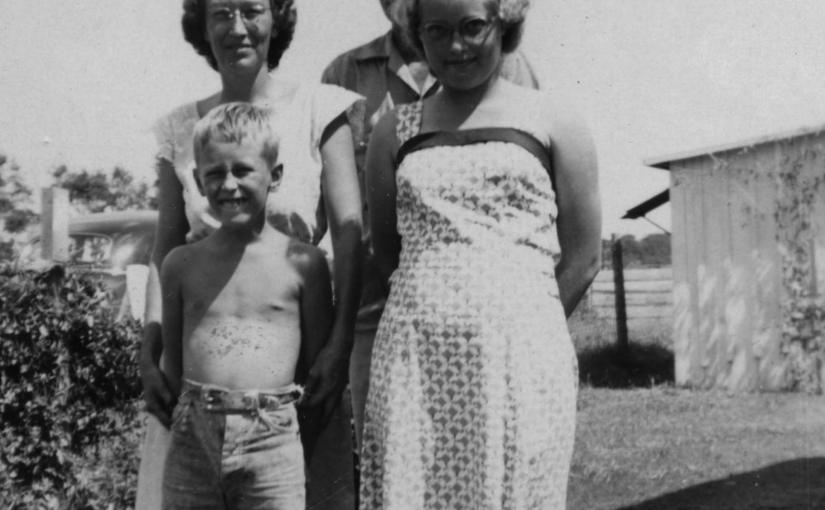
A Life Story published Christmas 2025
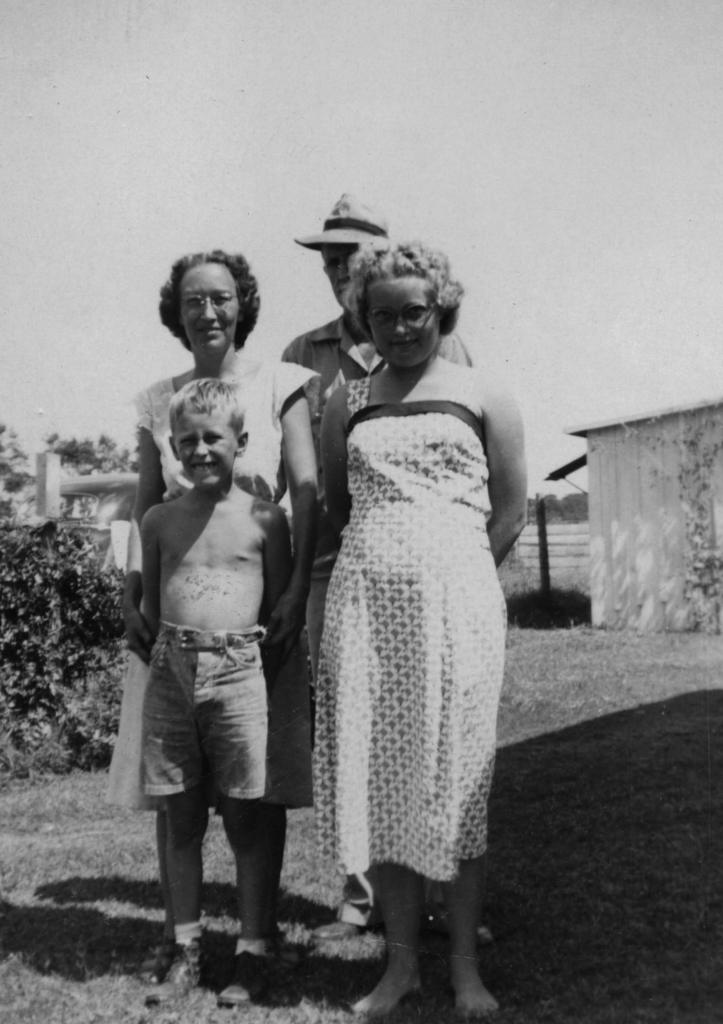
Written for you by your son, John
Christmas 2025
Roots and Beginnings
Some lives are formed by circumstance, and some by choice. Yours, Mom, was shaped by both—and by a quiet determination that seems to have run through your blood for centuries.
You were born in the late summer of 1936, during the years when East Texas families were still recovering from the worst of the Depression. Your parents, George Truman Richbourg and Mozelle Bellomy, raised you in the piney woods tradition—where faith was practiced daily, where work was expected, where neighbors helped neighbors without being asked, and where children learned early that life asked much of those willing to give.
Your younger brother Tommy came along five years later. Together, you grew up under tall pines, chased chickens in the yard, and learned from your mother’s steady hand and your father’s honest example. The world was still at war when Tommy was born, and rationing touched every household. But even in scarcity, there was abundance in the values your parents passed to you: discipline, humor, devotion, and an unshakable belief that doing right mattered more than doing well.
Those values did not appear from nowhere. They had been carried across oceans and centuries—from the mountains of medieval Wales, from the fields of France, from the Carolina lowcountry to the Texas frontier. You were born into a long line of people who had chosen the harder path because they believed it was the right one.
Family and Faith
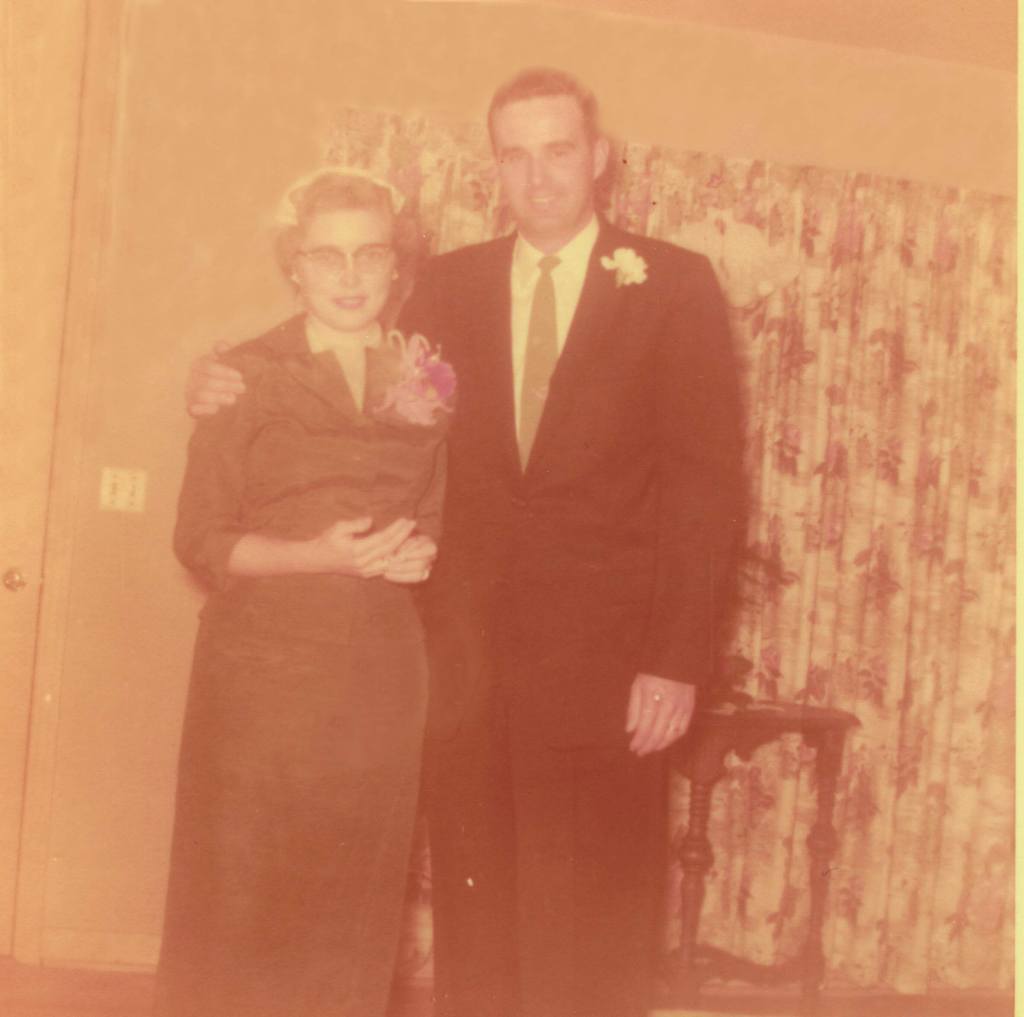
In January of 1957, you married Robert Edwin Hargrove in Buna, the town that would anchor your life for more than eight decades. Robert was a man of quiet strength, steady in ways that matched your own resilience. Together you would build something lasting—not wealth or fame, but family.
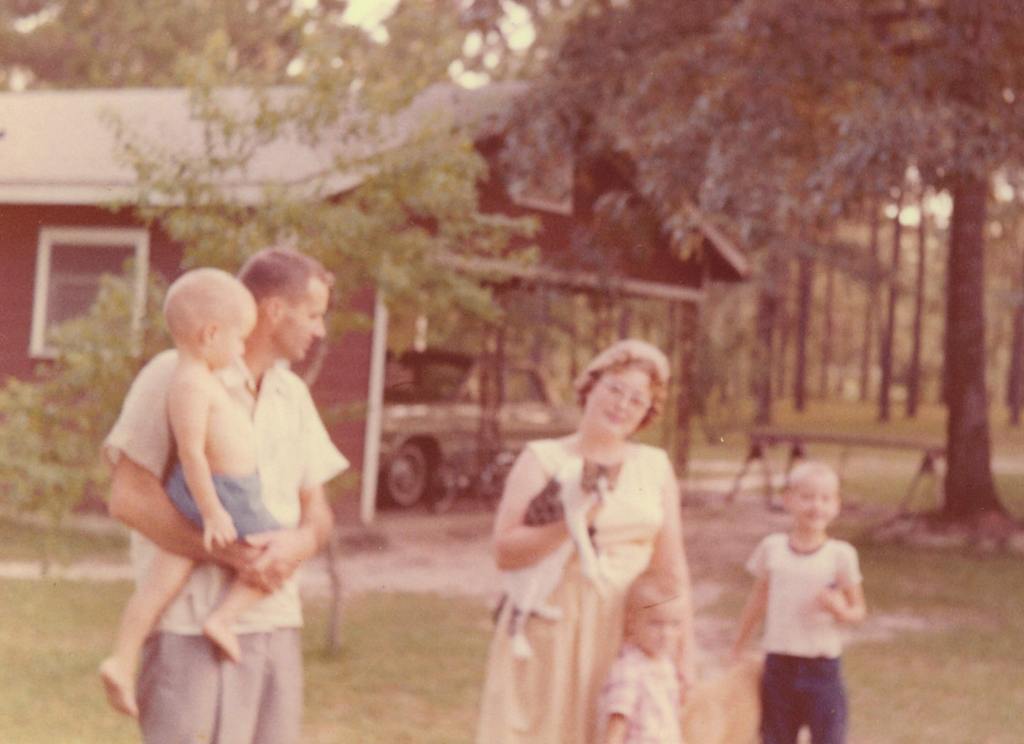
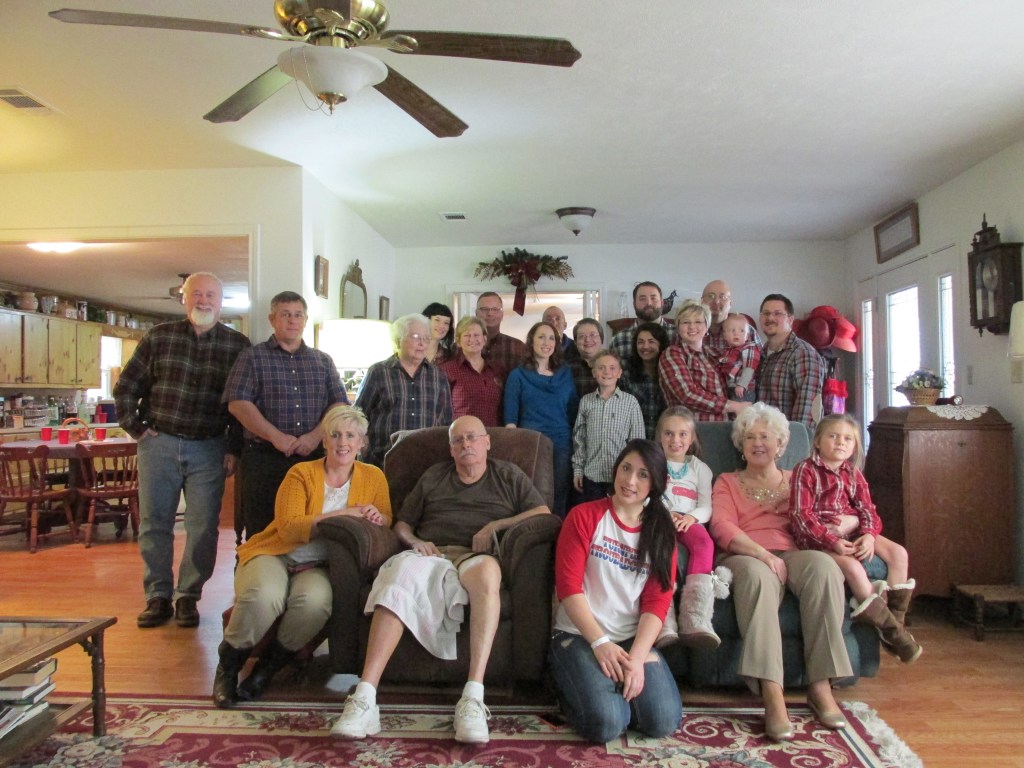
Within five years, you had three sons: John, Hardy, and Wylie. Each born in Kirbyville, each carrying forward something of the heritage that had shaped you both. The house filled with noise and movement, with scraped knees and spelling tests, with the particular chaos that comes from raising boys who had inherited their share of stubbornness and curiosity. Days spilled outdoors—riding bikes down not-so-busy Highway 62 toward the Callier Loop, turning ordinary afternoons into constant adventures. There were trips to the river camp, where she stood back and watched her boys explore, learning the land with dirty hands and wide eyes. Life in the tall pines on forty-four acres meant space to roam and room to grow, a half mile from the nearest neighbor, where walking to the gas pipeline right-of-way felt like a journey and chores were lessons—gardening, mowing, building fences, reading and napping under an attic fan. The Sabine railroad tracks ran just 150 feet away, close enough to hear and feel, leading barefoot walks to the creek and the railroad bridge, places where childhood stretched long and freedom felt endless.
Your faith was Methodist, but more than denominational—it was lived. You served as Sunday School Superintendent, teaching children whose grandchildren still remember your lessons. You believed that faith was not a Sunday garment but a daily practice, something worn in the kitchen and the garden and the car and the grocery store. This was the Huguenot inheritance, though you may never have called it that: faith tested by fire, faith worth sacrifice, faith that shaped how a person moved through the world.
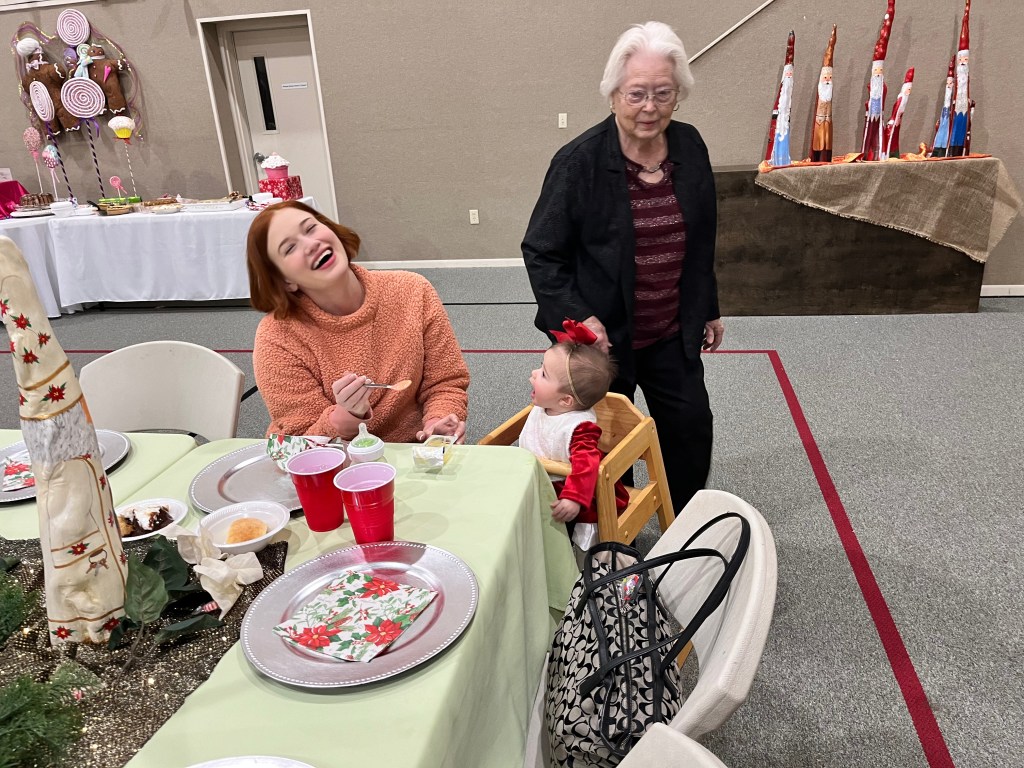
The church was not separate from community. You joined the Women’s Civic Club and worked to improve the town you loved. You served on the library board for decades, eventually becoming its president, fighting year after year to keep that small institution alive through fundraising, grant-writing, and the pure force of believing that books mattered. In recent years, you helped guide the library into the digital age—understanding, as your Richbourg ancestors had understood, that education and literacy were treasures worth protecting.
Motherhood and Perseverance
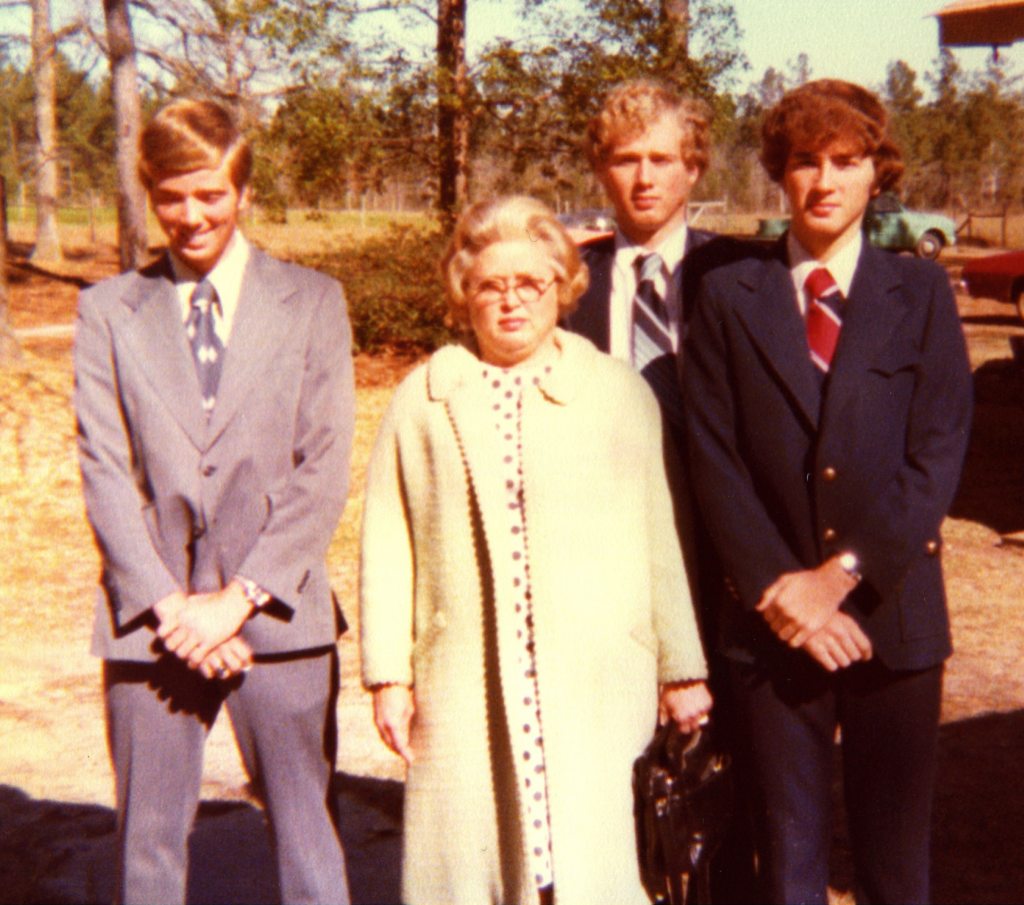
Raising three boys in the 1960s and 1970s required every ounce of patience you possessed—and some you had to invent along the way. You encouraged us to read. Zane Grey westerns opened worlds of adventure, and the habit of reading you planted has stayed with us through our whole lives. You taught us that a well-fed mind mattered as much as a well-fed body.
You also kept us fed in more literal ways. Your meatloaf. Your fried chicken. Your rice and gravy, chicken spaghetti, homemade rolls. These were not just meals—they were gatherings, reasons for family to come together around a table. Food was love made visible, and you made it with skill and care.
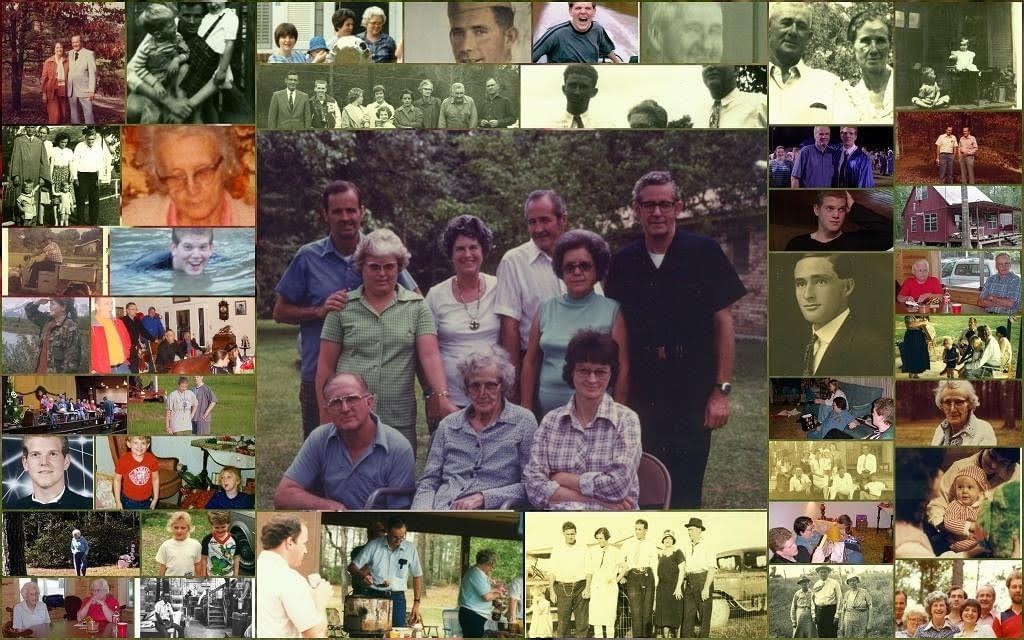
But motherhood was not only tenderness. It was also crisis management. Once, when I was ten, I set fire to five acres of dry East Texas land. A small flame meant for harmless mischief became a raging wildfire that raced toward the house. While others might have frozen, you organized a bucket brigade and fought the blaze until help arrived. The land bore the scars for years. We boys bore the lesson forever.
There was the time the three of us got into a fight in the backseat while you were driving. You turned around to separate us, and the car—a standard transmission—slipped into neutral and rolled backward down a hill. A door bent against a tree. You sighed, straightened the mirror, and kept going. You always kept going.
These were not dramatic heroics. They were the ordinary heroism of mothers everywhere: meeting each crisis as it came, refusing to be undone, protecting what mattered.
The Work of Her Hands
You have always made things. Sewing and upholstery came naturally to hands that found satisfaction in creating order from cloth and thread. You could take a worn piece of furniture and give it new life, take fabric and turn it into something useful and beautiful. Neighbors brought you their projects, knowing you would do the work right.
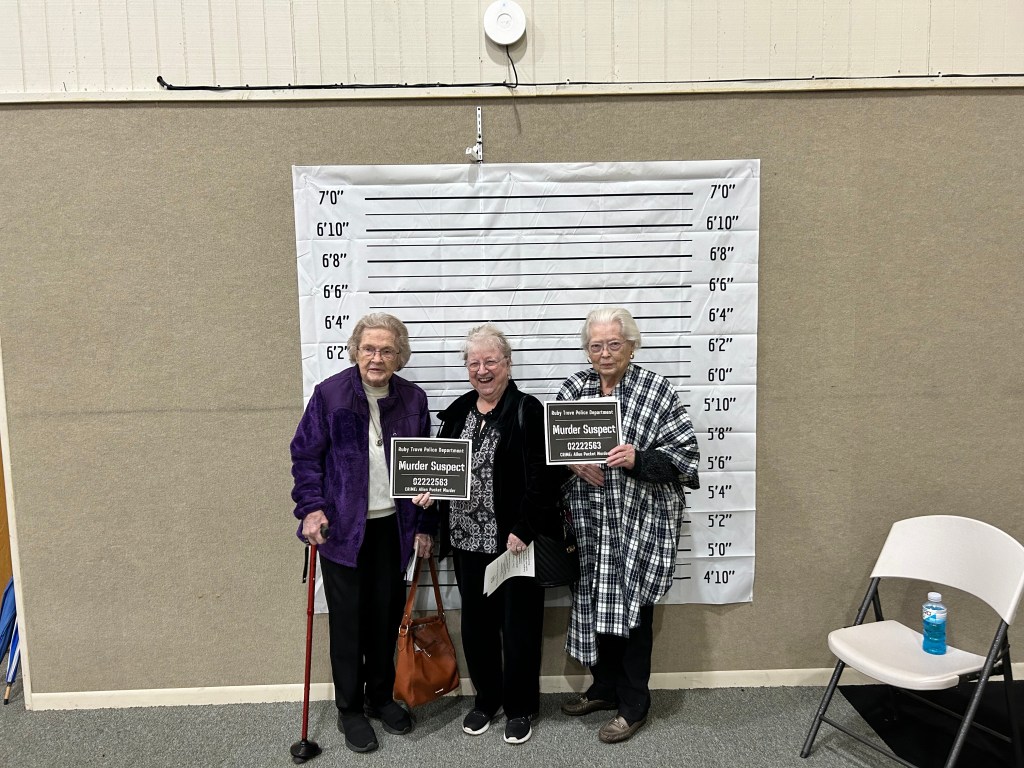
For years, you designed floats for the Redbud Festival, turning ideas into decorated constructions that rolled through town to the delight of spectators. With your dear friend Margaret Holmes, you dressed as clowns and brought joy to children at community events. There is a photograph somewhere of the two of you in full costume, faces painted, completely committed to the performance. You understood that celebration was as necessary as duty.
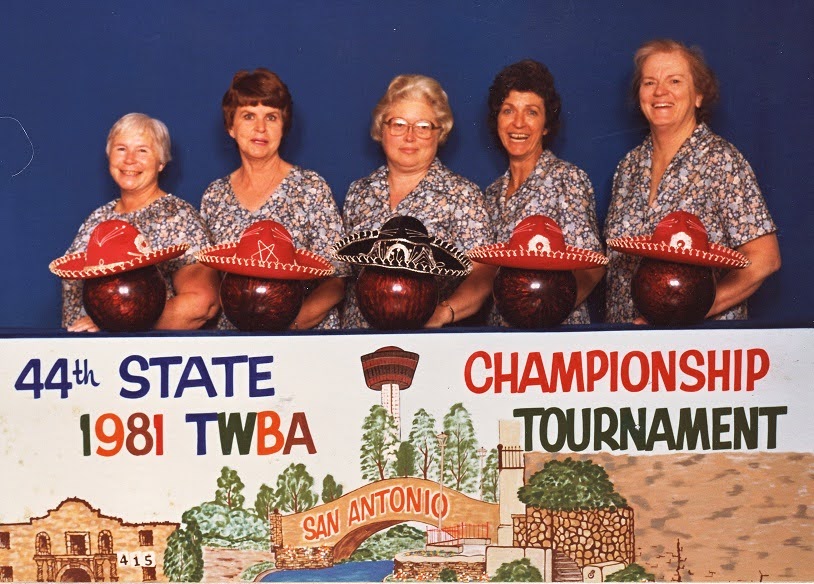
You painted cypress knees as Santas—folk art that carried something of the East Texas woods into people’s homes. You raised chickens and defended them with a hoe when snakes came too close. You bowled in leagues and competed with the same determination you brought to everything else.
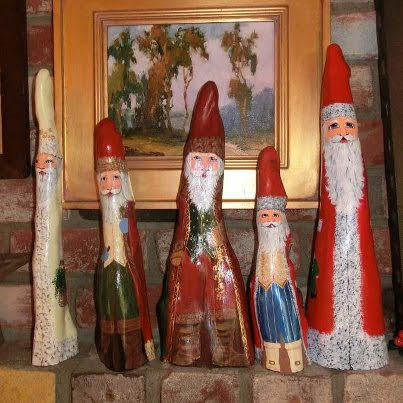
None of this was done for recognition. It was simply how you lived: fully present, hands busy, heart engaged.
Ancestral Echoes
The Richbourg name carries within it a story of flight and faith. Centuries ago, your Huguenot ancestors fled France rather than abandon their Protestant beliefs. When Louis XIV revoked the protections that had allowed them to worship freely, they faced a terrible choice: convert, die, or leave everything behind.
They chose exile. They crossed the Atlantic with little but their Bibles and their convictions, landing in the Carolina lowcountry in the early 1700s. There they built new lives in an unfamiliar land, speaking an unfamiliar language, surrounded by wilderness. They farmed along Jack’s Creek in what would become Clarendon County, South Carolina, and they endured.
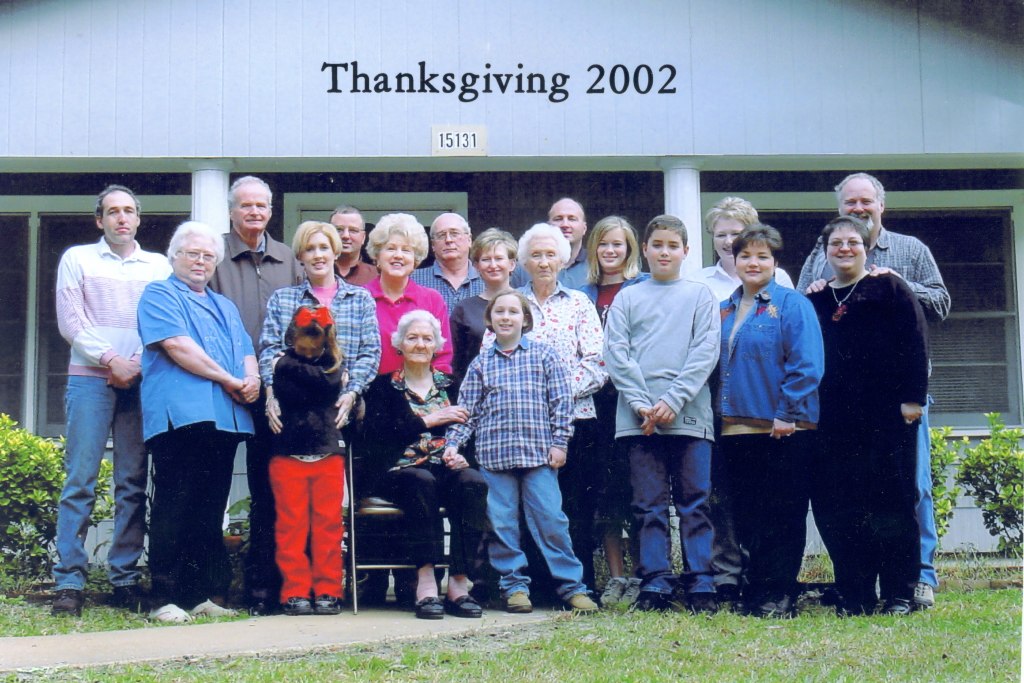
Through generations, the family moved westward—through Georgia, Alabama, Mississippi, and finally into Texas. By the time your grandfather Charles Benjamine Richbourg was raising his family in Wood County, the Richbourgs had become Texans. But the inheritance remained: faith, discipline, education, family loyalty, and the quiet courage to face whatever came.
You may never have thought of yourself as a descendant of refugees who sacrificed everything for religious freedom. But when you sat in your Methodist church on Sunday mornings, when you taught Sunday School, when you raised your sons to know right from wrong, you were carrying forward an inheritance that had been accumulating for three hundred years.
The same resilience that sustained your Huguenot ancestors as they built farms in the Carolina swamps sustained you as you built a family in East Texas. The same commitment to education that led them to establish schools and churches in the wilderness led you to fight for the Buna library. The same faithfulness that kept them worshipping despite persecution kept you serving despite difficulty.
You are not merely a link in a chain. You are the living expression of values that have been tested across centuries and found worthy of passing on.
The Legacy Still Unfolding
To many, you are Mimi—the grandmother whose love has shaped another generation. To nieces and nephews, you are Aunt V, a source of wisdom and unconditional support. To the community, you are the woman who kept the library open, who sewed and served and showed up year after year.
But legacy is not measured only in titles or roles. It is measured in the values that take root in others because of how someone lived. Your grandchildren carry something of your steadiness within them, whether they know it or not. Your sons still hear your voice when we face decisions about what is right and what is easy.
The story of the Richbourg line is not merely a list of names and dates. It is a narrative of choices—the choice of faith over homeland, the choice of service over self-interest, the choice of perseverance over surrender. At every turning point, the ancestors who shaped your legacy chose the harder path because they believed it was the right path. You have done the same.
That story continues in us. It continues in your grandchildren and great-grandchildren, who live in a world unimaginably different from the one your Huguenot ancestors knew, yet who inherit the same fundamental question that has defined this family for centuries: Will we live with integrity, resilience, and service, or will we let the values of our ancestors fade into history?
Your life answers that question. Every day you have lived answers it.
Dear Mom,
I have tried to write about your life in a way that honors who you are—not by exaggerating, but by seeing clearly. The truth of your life needs no embellishment. It speaks for itself.
You taught me to read, and reading became the doorway to every good thing in my life. You taught me that showing up matters—at church, at the library board, at the festival, at the table. You taught me that love is expressed through action: through meals prepared, clothes mended, crises met, and ordinary days lived with attention and care.
I remember yall making the California trip, standing at the overlook with baby George and Glenn/Carol and Daddy and the baby in the late 1980s—three generations together, looking out at a coastline none of your Huguenot ancestors could have imagined when they boarded ships for the unknown. I remember Sunday dinners that seemed to last all afternoon. I remember your sewing room, your garden, the sound of your voice calling us in for supper.
What I want you to know is this: I see you. Not just as Mom, though that would be enough. I see the girl who grew up in the Depression years, who learned early that life required strength. I see the young woman who chose Robert Hargrove and built a family with him through good years and hard ones. I see the mother who never let chaos defeat her, who kept the center holding when everything wanted to fly apart. I see the grandmother and great-grandmother, still giving, still serving, still present.
And I see the inheritor of a long line of faithful people—people who crossed oceans and frontiers so that their descendants could stand on settled ground. You have honored that inheritance. You have passed it on.
Thank you for the life you have lived. Thank you for the love you have given. Thank you for being exactly who you are.
With all my love,
John
Christmas 2025
 John Hargrove Seeking Truth and Reality