Why We Can Trust the Bible in an Age of Information
I spent over forty years doing signal tracing for a living — microwave radio paths, fiber routes, SCADA circuits across the Gulf Coast and the East Texas Piney Woods. When a circuit degrades, you don’t guess. You trace the path, segment by segment, until you find where the signal is true and where it’s been corrupted by noise.
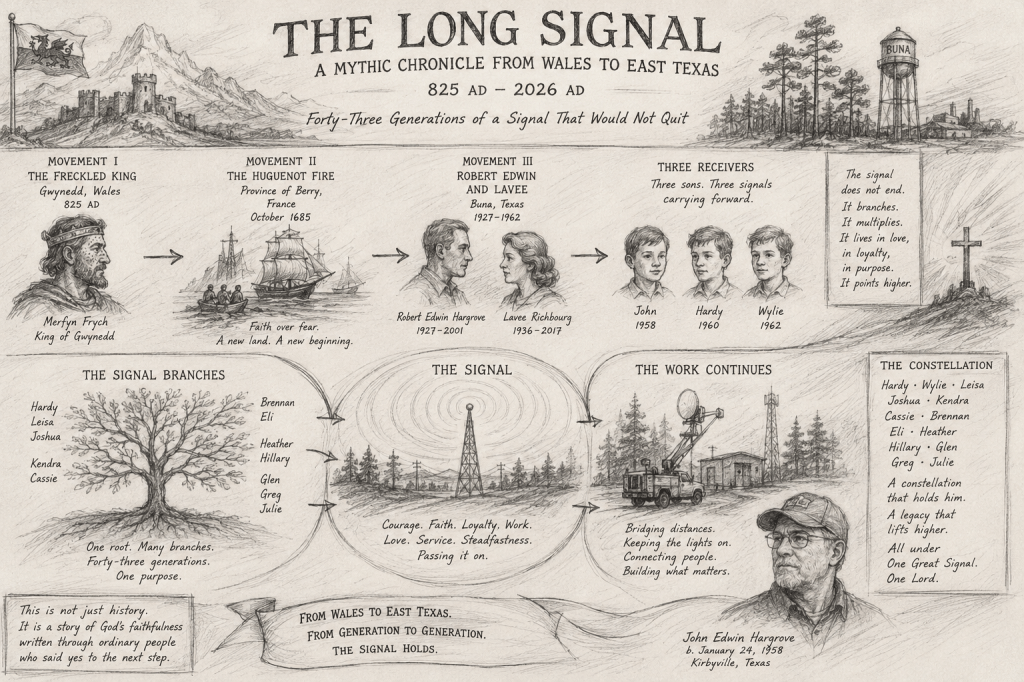
We’re drowning in signal noise now. Competing narratives, deepfakes, algorithms tuned to confirm whatever we already believe. The question underneath all of it is the same question I asked for a living: is there a signal here at all, or is it noise all the way down?
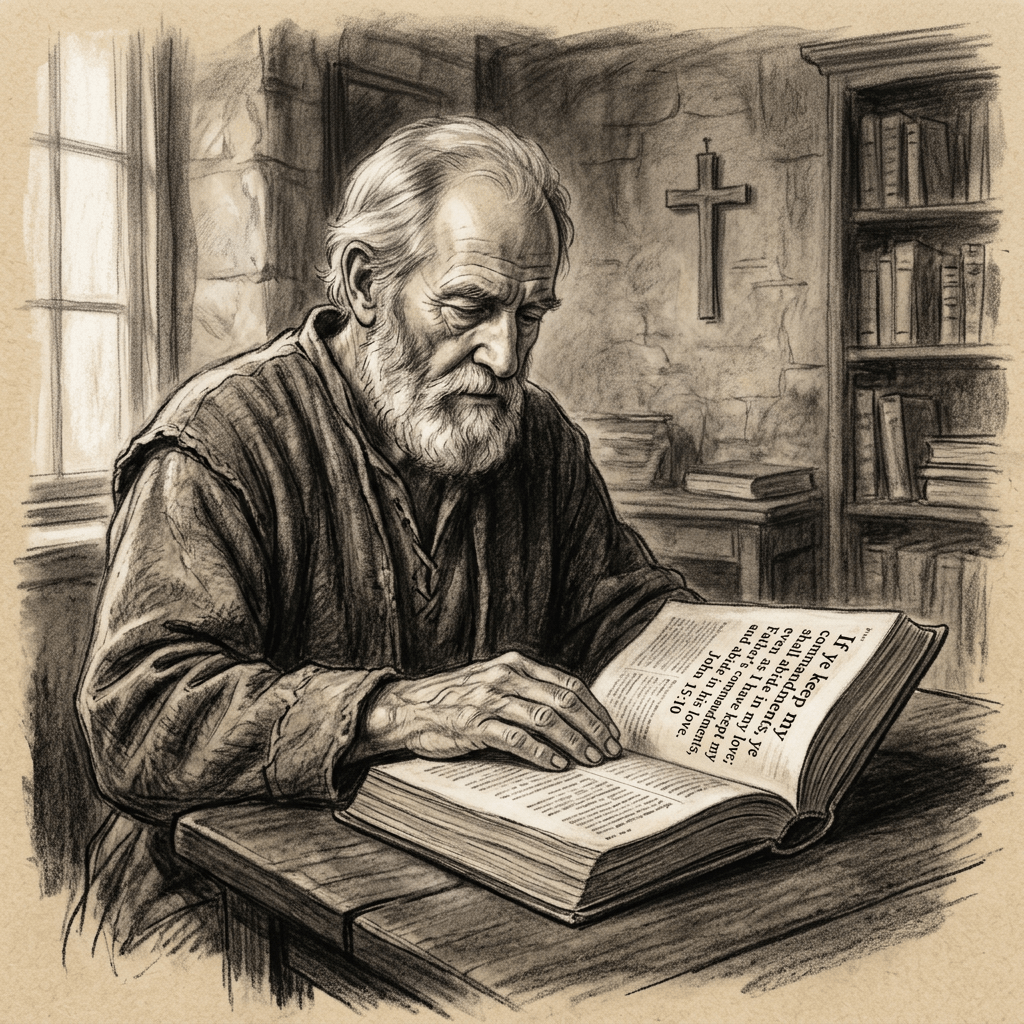
Scripture makes a specific claim about itself: it is God-breathed. Paul told Timothy that “all Scripture is given by inspiration of God, and is profitable for doctrine, for reproof, for correction, for instruction in righteousness” (2 Timothy 3:16). Not human wisdom about God. God’s own word, given through human hands.
That claim can be tested, not just asserted. The manuscript record for the New Testament dwarfs anything else from the ancient world — thousands of manuscripts, cross-checked against each other, some fragments dating within decades of the events.
My book – The Long Conversation traces two thousand years of Christians arguing fiercely with each other over interpretation, authority, and practice — and never once needing to reconstruct what the text actually said, because the text itself was never seriously in dispute. That’s worth noticing. Centuries of division, and the manuscript question isn’t one of the things they divided over.
Archaeology has confirmed names and places skeptics once waved off as invention — the House of David, the Pool of Bethesda, Pilate’s own name on stone. I hold this with confidence, not defensiveness. I don’t need to win an argument with every voice online. I need to know the ground is solid enough to keep walking on. It is.
Here’s where I’ll tell you something I haven’t told many people.
I grew up in church my whole life — bell choir, potlucks, confirmation, all of it. And from the time I was thirteen years old, I carried a private conviction that I was unfit — that whatever grace was on offer, it wasn’t for me. I told no one. Not my parents, not a pastor, not a friend. I carried it for twenty-nine years while the signal of God’s word was being read over me every single week.
On October 13, 2000, at a Walk to Emmaus in Orange, Texas, that signal finally got through. Not because someone argued me into a better opinion of myself. Because I finally let the actual words of Scripture — spoken plainly, by ordinary men, over a weekend — override twenty-nine years of static I’d generated myself.
That’s the difference between information and revelation. I’d had access to the Bible my whole life. What changed wasn’t the text. What changed was that I finally received it as what Paul says it is — God speaking, not a book of suggestions I got to edit around my own self-assessment.
In an age where anyone can generate convincing text, where truth is treated as a matter of preference, we need an anchor that doesn’t move with the algorithm. God has spoken. What He said is reliable. And no amount of noise changes what was actually transmitted.

