God Speaks Creation and Covenant Into Being
Introduction: When God Speaks, Everything Changes
Before the Gospel of John ever opens with those majestic words—”In the beginning was the Word”—the Old Testament has been quietly preparing us for this revelation. Long before John identifies Jesus as the living Word of God, Scripture reveals a God who speaks and, by speaking, creates. A God whose very voice has power to bring light from darkness, order from chaos, and life from death.
This week, we begin our journey toward the Gospel of John by stepping back into the foundational stories of Genesis, Exodus, and Proverbs. We’re not just learning background information—we’re encountering the God who has always expressed Himself through His Word. Whether you’re stepping back into faith after years of wandering, or finding God for the first time in recovery, this truth is for you: the same God who spoke the universe into existence wants to speak new life into your story.

The question this week invites us to consider is simple but profound: What happens when God speaks?
The Pattern of Creation: God Said
Genesis 1:1-3, 26-27 — The Word That Creates
“In the beginning God created the heavens and the earth. Now the earth was formless and empty, darkness was over the surface of the deep, and the Spirit of God was hovering over the waters. And God said, ‘Let there be light,’ and there was light.” (Genesis 1:1-3)

Notice the pattern that unfolds throughout Genesis 1: “God said… and it was so.” Ten times in the first chapter, God speaks, and reality responds. Light appears. Waters divide. Vegetation springs forth. Living creatures fill the earth and sky. The universe doesn’t evolve randomly or emerge by accident—it comes into being through the creative speech of God.
This is more than a historical claim about origins. It’s a revelation about the nature of God’s Word. When God speaks, His Word carries the power to accomplish what it declares. His Word doesn’t just describe reality—it creates reality. This is the God we’re preparing to meet in John’s Gospel: the God whose Word is not merely information but transformation.
The creation account reaches its climax in Genesis 1:26-27 with the creation of humanity:
“Then God said, ‘Let us make mankind in our image, in our likeness…’ So God created mankind in his own image, in the image of God he created them; male and female he created them.”
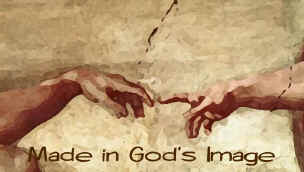
Unlike the rest of creation, which God speaks into existence with simple commands, humanity receives a different kind of attention. We are created “in God’s image”—bearing the mark of the God who speaks, thinks, creates, and loves. You were made to reflect the character of the One who spoke you into being. No matter how broken or chaotic your life may feel right now, this truth remains: you bear the image of the God who creates with His Word.
The World Before the Word Speaks
Before God speaks in Genesis 1:3, the earth is described as “formless and empty”—tohu va-bohu in Hebrew, a phrase that evokes utter chaos and meaninglessness. Darkness covers everything. Nothing has shape or purpose. It’s a picture of complete disorder.
Many of us know what it feels like to live in that formless void. Addiction leaves life shapeless—days blur together, relationships unravel, and purpose evaporates. Trauma creates darkness where hope used to be. Broken promises, lost years, burned bridges—these experiences leave us feeling as formless and empty as the world before God’s first creative word.

But here’s the hope embedded in Genesis 1: chaos is not where the story ends. God doesn’t leave the world formless. The Spirit of God hovers over the darkness, and then—”God said, ‘Let there be light.'” The pattern is set: God speaks, and chaos gives way to order. Darkness gives way to light. Death gives way to life.

The God Who Reveals Himself: I AM WHO I AM
Exodus 3:13-15 — The Divine Name
“Moses said to God, ‘Suppose I go to the Israelites and say to them, “The God of your fathers has sent me to you,” and they ask me, “What is his name?” Then what shall I tell them?’ God said to Moses, ‘I AM WHO I AM. This is what you are to say to the Israelites: “I AM has sent me to you.”‘” (Exodus 3:13-14)

Centuries after creation, God reveals Himself to Moses from a burning bush in the wilderness. Moses, a fugitive with a broken past, encounters the holy presence of God on what seems like ordinary ground. God calls Moses by name and commissions him to lead Israel out of slavery.

When Moses asks for God’s name, God’s answer is stunning in its simplicity: “I AM WHO I AM.” This name—YHWH in Hebrew, often rendered as Yahweh or Jehovah—is not a label but a declaration of eternal, self-sufficient existence. God is not dependent on anything outside Himself. He simply is. He is the source of all life, all power, all reality.
But the name “I AM” is also deeply personal. God doesn’t say, “I am everything” or “I am an abstract force.” He says, “I AM”—present tense, active, engaged. This God exists not in some distant heaven but right here, right now, speaking to a broken man in the wilderness. God is present with Moses in his failure, in his hiding, in his fear. And God is present with you in yours.
The burning bush becomes holy ground not because of the location but because God is present there. In the same way, wherever you are right now—no matter how ordinary or painful—becomes holy ground when God speaks to you. He sees you. He knows your name. He is the great I AM, and He is here.
From Chaos to Calling
Moses’ story mirrors the pattern of Genesis 1. Before God speaks, Moses’ life is formless—forty years of aimless wandering in the desert after fleeing Egypt in shame. He’s hiding from his past, tending someone else’s sheep, convinced his life has no purpose.
But then God speaks. And when God speaks, everything changes. The voice from the burning bush doesn’t just give Moses information—it gives him identity, purpose, and mission. “I AM” calls Moses by name and commissions him to bring freedom to an enslaved people. The same man who fled Egypt in disgrace will return as God’s chosen deliverer.
This is what God’s Word does: it transforms chaos into calling. It takes the broken pieces of your past and speaks purpose over them. The years you thought were wasted become preparation for the mission God has for you. Nothing is too far gone for God’s creative Word to redeem.
Wisdom Beside God in Creation
Proverbs 8:22-31 — The Word Was There
“The LORD brought me forth as the first of his works, before his deeds of old; I was formed long ages ago, at the very beginning, when the world came to be… I was there when he set the heavens in place… when he marked out the foundations of the earth. Then I was constantly at his side. I was filled with delight day after day, rejoicing always in his presence.” (Proverbs 8:22-23, 27, 29-30)
In Proverbs 8, Wisdom speaks and describes herself as being with God before the creation of the world. She was there “at the very beginning,” present as God shaped the cosmos, set the heavens in place, and marked out the boundaries of earth and sea. Wisdom wasn’t a distant observer—she was “constantly at his side,” delighting in God’s creative work.
Early Christians reading this passage saw something profound: a foreshadowing of Jesus Christ, the Word made flesh. John 1 will declare, “In the beginning was the Word, and the Word was with God, and the Word was God. He was with God in the beginning. Through him all things were made.” The Wisdom beside God in creation is the same Word who will take on human flesh and dwell among us.
This matters because it means the Word is not a late addition to God’s plan. Jesus is not Plan B. From before the foundation of the world, the Word was with God, active in creation, rejoicing in relationship with the Father. The God who will meet us personally in John’s Gospel is the same God who has been speaking and creating from the very beginning.
When we read Proverbs 8 through the lens of John 1, we see that creation itself was an act of divine communication. The Word wasn’t just present at creation—the Word was the means of creation. Everything that exists came into being through this eternal Word. And now, the same Word that spoke galaxies into existence wants to speak life into your chaos.
What This Means for Us: New Beginnings
So what does all this ancient history have to do with your life today? Everything.
If God spoke creation into existence, He can speak new creation into your life. If His Word brought light into the primordial darkness, His Word can bring light into your darkest moments. If God called Moses by name in the wilderness and gave him purpose, God can call you by name and restore meaning to your story.
The same power that hovered over the formless void hovers over your life right now. The same God who said “Let there be light” wants to speak words of hope, healing, and transformation over every broken place. You are not too far gone. Your past is not beyond redemption. The chaos you’re experiencing is not where your story ends—it’s where God’s creative Word begins.
This week, as we prepare to enter John’s Gospel, we’re learning to listen for God’s voice. We’re training our hearts to recognize that when God speaks, things happen. Dead places come to life. Disordered lives find purpose. Darkness gives way to light. This is the God we’re preparing to meet—not a distant deity, but the great I AM who speaks and creates, who calls us by name and invites us into new life.
Discussion Questions
Genesis 1 — God Speaks Creation Into Chaos
- What do you notice about the pattern of creation when God says, “Let there be”?
- What kind of world existed before God spoke? How does that picture of “formless and void” resemble seasons of your own life?
- Why do you think God chose to bring light first? What does “Let there be light” mean for a person coming out of darkness or addiction?
- What does this chapter teach about God’s power to create order where there was confusion?
- If God’s Word can shape creation, what might He want to create or restore in you right now?
Exodus 3 — God Calls From the Burning Bush
- What stands out to you about Moses’ situation before God speaks to him?
- Why does God choose to speak through something as ordinary as a bush in the desert? What does that tell us about how He meets people?
- When God says, “I AM WHO I AM,” what does that reveal about His presence and power?
- How do you think Moses felt hearing God call his name? How might God be calling yours today?
- What part of your past or your pain might God be turning into holy ground if you’ll stop and listen?
Personal Connection
- Where have you seen God speak peace or purpose into a broken place in your life?
- What would it mean for you to believe that no one—including you—is too far gone for God to start over?
- How can we let God’s Word name us again—beloved, not broken—in our daily choices and relationships this week?
This Week’s Practice: Listening for God’s Voice
Throughout this week, practice listening for God’s voice in the ordinary moments of your day. Here are some ways to cultivate awareness of God’s creative Word at work:
- Begin each morning by reading John 1:1-5 slowly. Let these verses remind you that the God who spoke creation into being wants to speak to you today.
- Journal one simple prayer each day: “God, where do I need new creation? What word of life do You want to speak into my chaos?”
- Notice moments of light breaking through darkness. When you experience unexpected hope, peace, or clarity, pause and thank God for speaking into your situation.
- Share your story. Tell one person this week about a time when God spoke something new into your life—a time when His Word brought order to chaos or hope to despair.
- Memorize one verse: “In the beginning was the Word, and the Word was with God, and the Word was God” (John 1:1).
Looking Ahead: Preparing for the Light
This week lays the foundation for everything we’ll discover in John’s Gospel. We’ve seen that God speaks and creates. We’ve heard God reveal Himself as the great I AM. We’ve glimpsed the Wisdom who was with God from the beginning—the Word who will soon become flesh and dwell among us.
Next week, we’ll move from creation to promise as we explore how Israel longed for God’s light to break into their darkness. We’ll see how the prophets pointed forward to a coming Messiah who would be the Light of the World. And we’ll discover that the same light Isaiah promised is the light John proclaims: “The light shines in the darkness, and the darkness has not overcome it.”
Until then, live in this truth: The God who spoke “Let there be light” over the primordial darkness is speaking over your life today. Listen for His voice. Trust His Word. Watch for the new creation He is bringing forth in you.
• • •
“For God, who said, ‘Let light shine out of darkness,’ made his light shine in our hearts to give us the light of the knowledge of God’s glory displayed in the face of Christ.” (2 Corinthians 4:6)
Major Occurrences of God Speaking in the Old Testament
Statistical Overview
According to detailed biblical analysis, God spoke directly to people approximately 476 times throughout the Old Testament’s 929 chapters—averaging about one chapter in every two containing direct divine communication.
Key Patterns and Phrases
The most common expression used is “The Lord said to…” which appears 223 times in the ESV translation.
Major Recipients of God’s Direct Speech
The Patriarchs: God spoke to Noah 5 times over 950 years, Abraham 8 times over 175 years, Isaac 2 times (with 1 time to Rebekah) over 180 years, and Jacob 7 times during his lifetime.
Moses and the Exodus:
- Genesis 1-3: God speaks during creation and to Adam and Eve
- Exodus 3: The burning bush encounter
- Exodus 20: The Ten Commandments
- Throughout Exodus-Deuteronomy: Giving the Law and instructions
The Prophets:
- Samuel, Nathan, Elijah, Elisha
- Isaiah, Jeremiah, Ezekiel, Daniel
- The twelve minor prophets
Others: Noah and his sons (Genesis 6:13-21, 7:1-4, 8:15-17, 9:1-17), along with various judges, kings, and leaders throughout Israel’s history.
Methods God Used to Speak
The Old Testament records God speaking through various means including:
- A burning bush (Exodus 3)
- A thick cloud (Exodus 19:9)
- A gentle whisper (1 Kings 19:12)
- Direct audible voice
- Dreams and visions
- Angels as messengers
- Prophetic inspiration
- Through creation itself
- Writing on the wall (Daniel 5)
Important Theological Note
After the fall of Adam and Eve, God’s pattern shifted from regular fellowship to communicating with specific individuals at specific times for specific purposes, always involving His redemptive plan rather than personal issues.
Longest Address
Of all the recorded instances where God spoke directly to people in the Old Testament, His longest address was to Job.
This extensive pattern of divine communication established the foundation for understanding Jesus as “the Word made flesh” in John’s Gospel—the ultimate and final way God has chosen to speak to humanity.

 John Hargrove Seeking Truth and Reality