
The Work
I’ve spent most of my career designing infrastructure systems—broadband networks, power grid communications, microwave backhaul, cybersecurity. Over four decades, I’ve worked for utilities, cooperatives, and municipalities. Honestly, it’s been more a series of opportunities that opened up than any grand master plan on my part.
During COVID—2020-2022—I worked 3,900+ hours of overtime helping launch a wireless internet service provider in rural Southeast Texas. We ended up covering about 20K households for a time. Families needed connectivity for school and work, and I had skills that could help. So I showed up. That part wasn’t heroic; it was just the next right thing.
Now I serve as COO at Evergreen Technology Solutions, still working on broadband expansion in overlooked rural areas. And I’m on a couple of boards—the library, economic development—trying to help my small hometown figure out how to grow without losing itself.
I also lead Bible studies and write about faith, grief, and what it means to show up when life feels scattered.
The Foundation
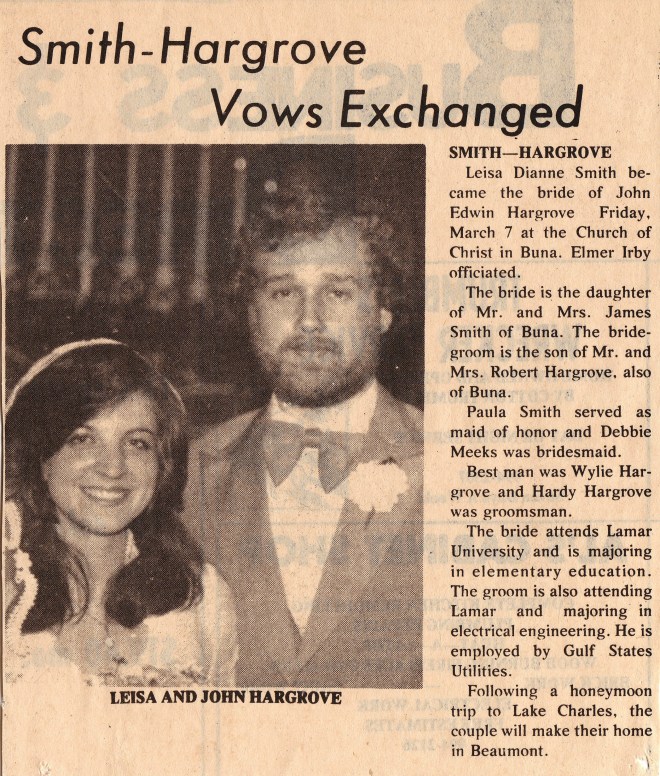
None of this makes sense without Leisa. We’ve been married forty-five years—high school sweethearts who somehow stayed in love through everything life threw at us. She’s been steady when I’ve been scattered, faithful when I’ve been foolish, present when I’ve been absent. She’s the actual backbone of everything I’ve managed to do. I mean that without exaggeration.
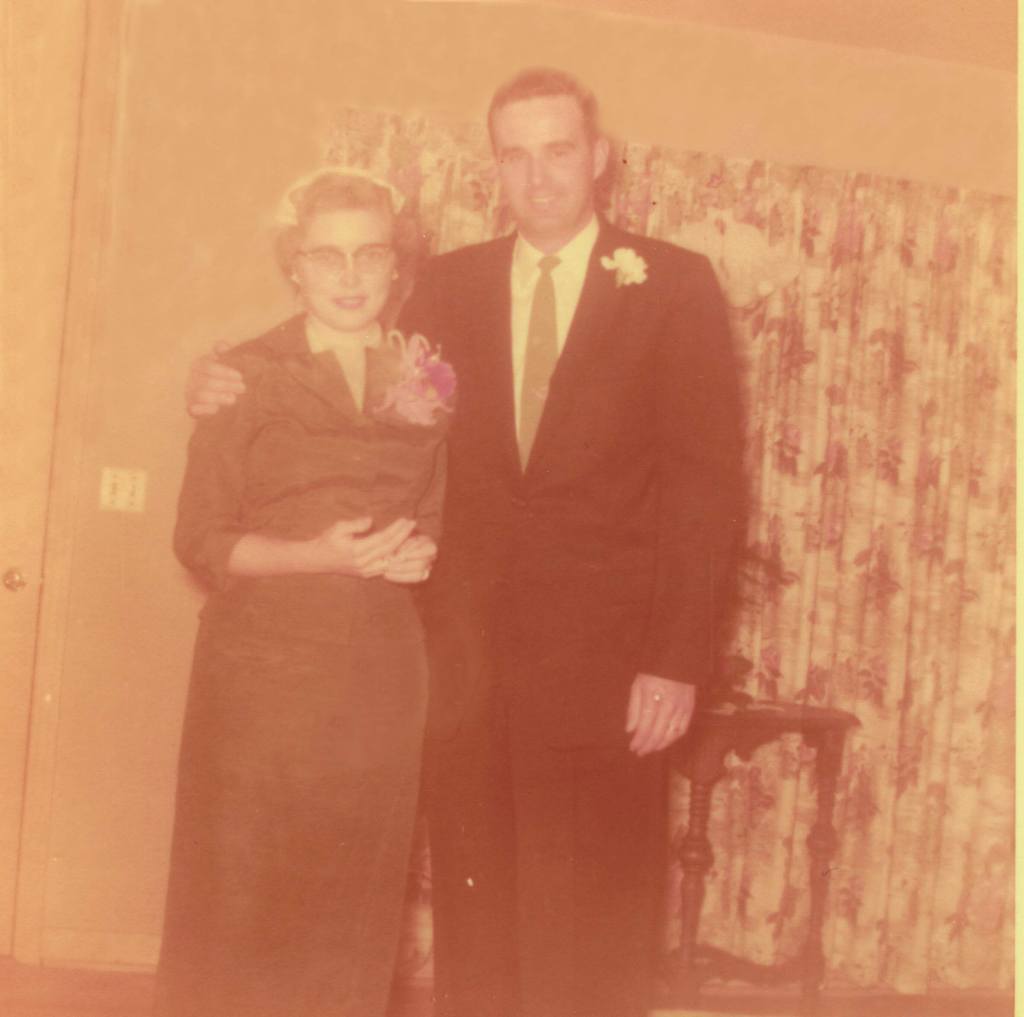
My parents shaped me too. My father, Robert, was a Korean War veteran who worked thirty-five years at DuPont. He didn’t talk much about work ethic or responsibility—he just lived it. Showed up, did the work with integrity, took care of his family. My mother, Lavee, brought creativity and faith into everything. They gave me roots in a small East Texas town and a sense that faithful work—unglamorous, steady, consistent—was how you lived out what you believed.
The Grief That Changed Everything
In 2002, our son Joshua died. He was eighteen. Bright, kind, sincere. He was our greatest joy and our deepest investment.
I don’t have words adequate to describe that loss. It still aches, twenty-plus years later. But grief, I’ve learned, is just love with nowhere to go. And that loss did something to us—to me, especially. It cracked me open. Made me less interested in advancement and more interested in presence. Less focused on my own achievement and more attuned to the pain of others.
After Joshua died, Leisa and I opened our home. We started leading Bible studies. We made our house a refuge for teenagers who were carrying their own wounds, searching for truth, needing to know that adults cared about them. That loss became the occasion for a different kind of work—the work of walking beside people in their pain.

It’s still the source of everything I do that matters.
Why I Do It
When you’ve buried a child, your priorities get sorted pretty quickly. What seemed important doesn’t anymore. What always mattered finally gets your full attention.
I’m hesitant to speak about purpose too boldly, but if I’m honest: I believe rural places and the people in them matter. They get overlooked. They deserve better. And I’ve been given some skills, some opportunities, and—most importantly—a wake-up call through grief that tells me this work is worth doing.
I don’t pretend the motivation is pure. Pride is mixed in there. Ambition too. But underneath it all is something simpler: when you see something broken and you have the tools to help fix it, when you’ve experienced loss deep enough to know what matters, and when you believe in God, you kind of have to try.
Small acts matter. One connection, one person, one conversation at a time. Leisa has taught me that by example. She’s been doing that kind of faithful, invisible work our entire marriage—showing up, staying present, loving people one at a time.
The Honest Part
The honest truth is I scatter myself across too many things. I take on too much. Leisa has had to remind me more times than I can count that I can’t do everything, that rest is not laziness, that presence at home matters more than one more project completed.

I’m still learning to say no. Still learning to ask for help. Still struggling with the burden-bearing that became my default way of operating. But the work—the broadband, the community service, the faith-building—it’s all pointing the same direction: toward people. Toward love made visible. Toward showing up for the overlooked, the grieving, the forgotten.
Leisa walks beside me in all of it. She’s the one who keeps me honest about what matters. She’s the one who’s loved me through seasons when I was too busy, too tired, or too stuck in my own head to deserve it.
Joshua’s memory is woven through it all too—a reminder that life is short, that presence is everything, that the work that lasts is the work done out of love, not ambition.
That’s what I try to do. Imperfectly. With a wife who’s far better at it than I am. And with the grace that meets us when we’re willing to be broken open by loss and built back up by faith.
Grief Is Just Love With Nowhere to Go
I didn’t come up with that phrase on my own. I’ve heard it before, but I can’t quite remember where. The first time I really understood it, though, was because I was living it.
Joshua died on a summer night in June 2002. He was eighteen years old. Smart, kind, sincere—the kind of young man who made you believe the world might actually be okay because people like him existed in it. Leisa and I had invested eighteen years into loving that boy, shaping him, praying for him, believing in who he was becoming.
And then he was gone.
For a long time after, I didn’t understand what to do with the love. That’s the part nobody tells you about grief. They tell you it gets easier with time, or that you learn to live with it, or that you find closure. But what they don’t say is that the love doesn’t go anywhere. It doesn’t diminish or fade or resolve itself into acceptance. It just stops having an obvious place to go.
I remember the first few weeks after Joshua died. The love was still there—urgent, real, physical almost. I wanted to do things for him, be present in his life, shepherd him forward. And I couldn’t. There was no object for all that love anymore. It had nowhere to attach itself.
That’s what grief is.
The Redirection
In August of that year, just a couple of months after we buried our son, Leisa and I made a decision. We reopened our home. We invited young people who wanted to honor Joshua and continue the Bible study he had been part of to come together. The loss was still raw—it’s still raw now, more than twenty years later. But we couldn’t sit with that love alone. It was too big. It needed to move.
So we created a space for it to move into. Teenagers came—kids who were grieving too, kids who wanted to remember Joshua, kids who were searching for truth and needed to know that adults cared about them. The love we couldn’t pour into Joshua anymore, we poured into them. Not as replacements—no one could replace Joshua. But as a direction for love that needed a direction.
Leisa was the visionary in this. I was still in the fog of it, still trying to figure out how to keep breathing. But she saw what needed to happen, and she stepped into it with a kind of grace I’m still learning from.

What It Means to Love the Dead
There’s a misconception that when you grieve well, the grief goes away. That’s not true. What happens instead is that the love finds new expression. The relationship doesn’t end—it transforms.
I still love Joshua. That love doesn’t leave just because he’s gone. It can’t. Love that deep doesn’t work that way. But I can’t call him, can’t teach him, can’t watch him grow. So the love has to take other shapes.
It takes the shape of opening our home to young people. It takes the shape of working 3,900 hours of overtime to connect rural families to broadband because I know—viscerally know—how precious connection is, how short life is, how much it matters to be present for the people in front of you while you have them.
When I sit with someone who’s grieving, I’m not sitting with them as a neutral party. I’m sitting with someone who loves someone they can’t reach anymore. And I know that place. I live in that place. I’ve made a home in it.
The Love Stays
Here’s what I’ve learned: grief doesn’t mean you stop loving. It means your love has to find new terrain. It means the person you love isn’t physically present anymore, but the love is still very much alive in you, looking for somewhere to land.
Some days I feel Joshua’s absence acutely—a birthday, a milestone, a moment when I think “he would have loved this.” Those days, the grief is sharp. The love has nowhere to go and it just sits in my chest like a stone.
But most days, I experience his love as directional. It moves through me toward other people. Toward Leisa, who has stood beside me through everything. Toward the young people who’ve walked through our home looking for sanctuary. Toward the rural communities that deserve dignity and connection. Toward the work that keeps me up at night because it matters, because lives depend on it, because someone’s son or daughter is on the other end of that broadband connection.
I’m not trying to say grief is good or that losing a child is anything other than devastating. It’s the worst thing that’s ever happened to me. And I wouldn’t wish it on anyone.
But I’m trying to say this: the love you have for someone doesn’t disappear when they do. It just demands a new expression. And if you’re willing to let it, if you’re willing to redirect all that urgent, desperate love toward the living world in front of you, it can become something redemptive.
Not healed. Not resolved. But purposeful.
A Different Kind of Presence
Leisa and I haven’t moved on from Joshua’s death. We’ve moved forward with it. We carry him with us. His memory shapes decisions we make, values we prioritize, people we’re called to serve.
When I’m working on bringing broadband to rural families, Joshua is there—in the urgency I feel, in the refusal to give up when systems are complicated, in the belief that every person deserves connection. When I’m sitting with a teenager who’s hurting, Joshua is there—in the patience I have, in the willingness to listen, in the knowledge that their pain matters.
The love I have for my son hasn’t been redirected away from him. It’s been integrated into a larger love—a love for the world he would have inhabited, for the people he would have cared about, for the work that needs doing while we’re still here.
That’s what grief is: love with nowhere to go, until you make it go somewhere. Until you let it reshape your life, your priorities, your work. Until you understand that the people you’ve lost aren’t actually gone—they’re woven through everything you do, everyone you serve, every moment you choose presence over ambition.
I still miss him. Every single day. But I’m grateful, too—grateful that the love we had doesn’t end at death. Grateful that I get to express it here, now, toward the people and the work in front of me.
That’s how Joshua still shapes the world. Not in the ways we planned. Not in the ways he would have chosen. But in real, concrete ways—in lives touched, in communities connected, in young people loved because his parents learned that grief is just love refusing to die.

 John Hargrove Seeking Truth and Reality