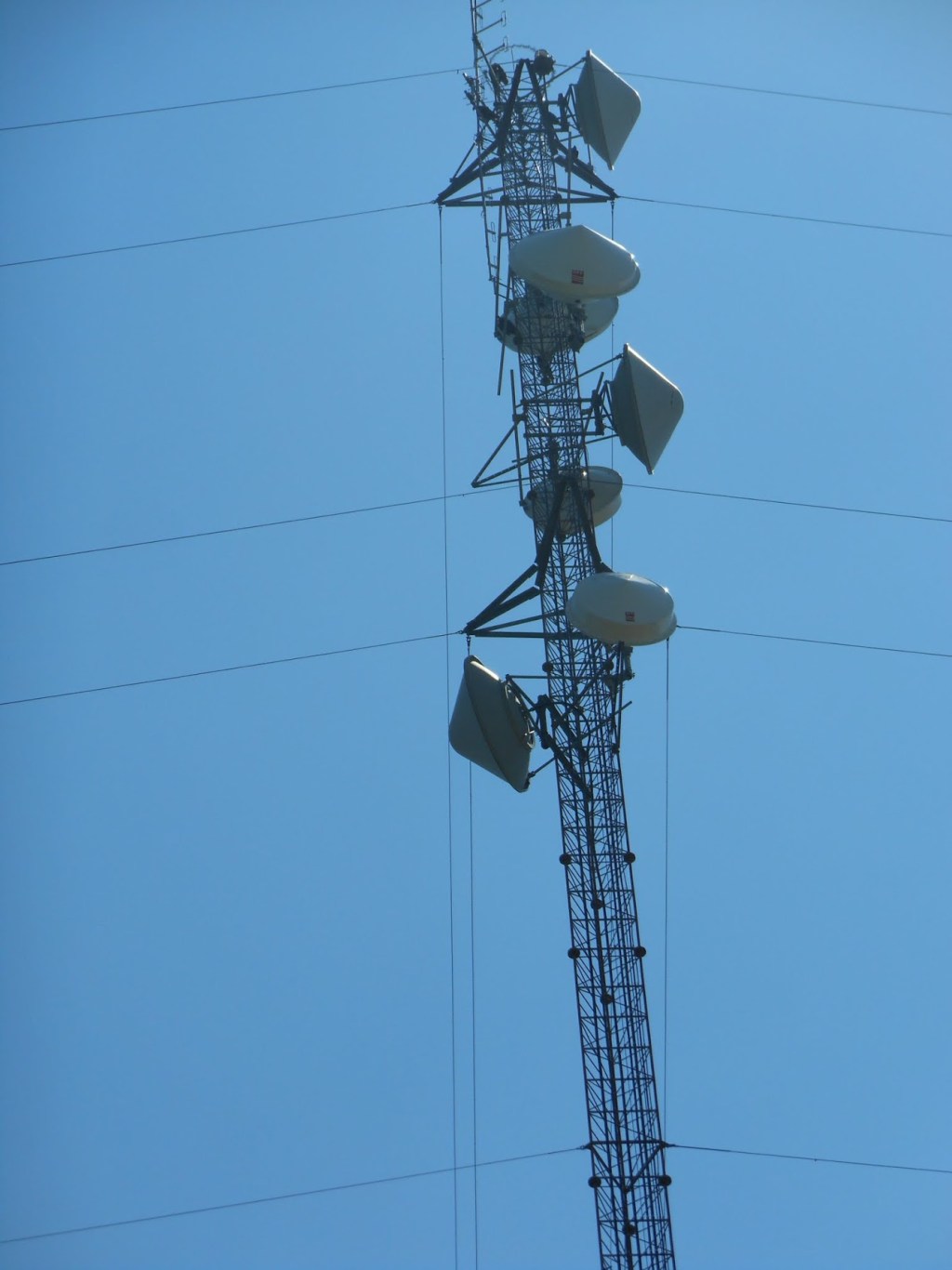
I remember standing out at a metering station back in 2007, somewhere off a caliche road you wouldn’t find unless you already knew where you were going. East Texas co-op site. Quiet place. The kind where you can hear the wind before you see it.
That radio link we were depending on had been put in sometime in the late 90s. I ran the path profile right there in the truck. Same story I’ve seen a hundred times—Fresnel barely clearing, fade margin just enough to make you feel okay until you’re not. A couple of other transmitters on the same tower are already stepping on each other a little.
Nothing broken. Nothing dramatic. Just fragile in a quiet kind of way.
That same setup is still out there today in more places than folks want to admit. Same sub-GHz radios. Same serial cables run through what was supposed to be “temporary.” Same passwords, nobody ever changed. Same remote access tools because the integrator lives two hours away, and the operator’s got another job to get to.
And honestly, that’s not carelessness. That’s reality.
Those systems were built in a world where isolation was the security model. That world’s gone now. But the systems didn’t change with it.
You hear a lot about checklists and compliance and inventory—and they’re not wrong. You do need to know what you’ve got. But the real issue I keep running into isn’t just knowing it exists.
It’s whether it was ever built to handle what it’s actually dealing with.
Weather fade. Trees growing up into your path. Interference from somebody else hanging gear on the same structure. One cable takes the whole system down if it fails.
That’s not cybersecurity. That’s just telling the truth about the system.
And if I’m being honest, that same pattern shows up in life, too.
We’ve got all this technology now that makes it feel like we’re in control. But something underneath is getting thinner. Everything is constant—alerts, messages, noise—and it keeps you in that problem-solving mode all the time. You’re always thinking, always fixing, always responding.
But you’re not really resting and not really connecting. Not really present.
I’ve lived that.
The work itself is good. Keeping water moving. Keeping systems talking and helping communities function. That part matters.
But it can also take more than it’s supposed to.
I’ve had seasons where I carried responsibility like it all depended on me—stayed up too late chasing one more improvement. Pushed through things I should’ve stopped and grieved. Kept quiet when I should’ve said I needed help.
It builds up. Quietly. Faith, at least the way I’ve come to understand it, doesn’t remove that weight. It puts it back where it belongs.
You weren’t meant to carry all of it. You weren’t meant to run without stopping.
You weren’t meant to pretend nothing’s been lost along the way.
There’s a reason Scripture emphasizes rest, sharing burdens, and strength in weakness-these aren’t just ideas, but a divine design for our well-being.
It’s not a theory. Its design.
So now I’m trying—slowly—to live that out.
Do the work right. Engineer it honestly. Document it so the next guy isn’t guessing. Don’t chase every new thing just because it’s new.
But also close the laptop when it’s time. Let the system be what it is for a few hours. Say out loud when something’s heavy instead of burying it. Trust that I’m not the one holding everything together.
That old radio link mindset still sticks with me. You harden what you can. You document it better. You improve it where possible.
But at the end of the day, you’re not the source of the system’s life. You’re just a steward of it.
And that applies just as much to the work as it does to everything else.
So for anybody out there carrying similar weight—
Do the inventory. Fix what you can fix. Write it down so it lasts.
But don’t forget to rest.
Don’t skip the grief.
Don’t try to carry it alone.
There’s more to this than uptime and performance.
The work matters. But it’s not where the meaning comes from.
That part comes from walking it out—steady, faithful, with other people, and under grace.
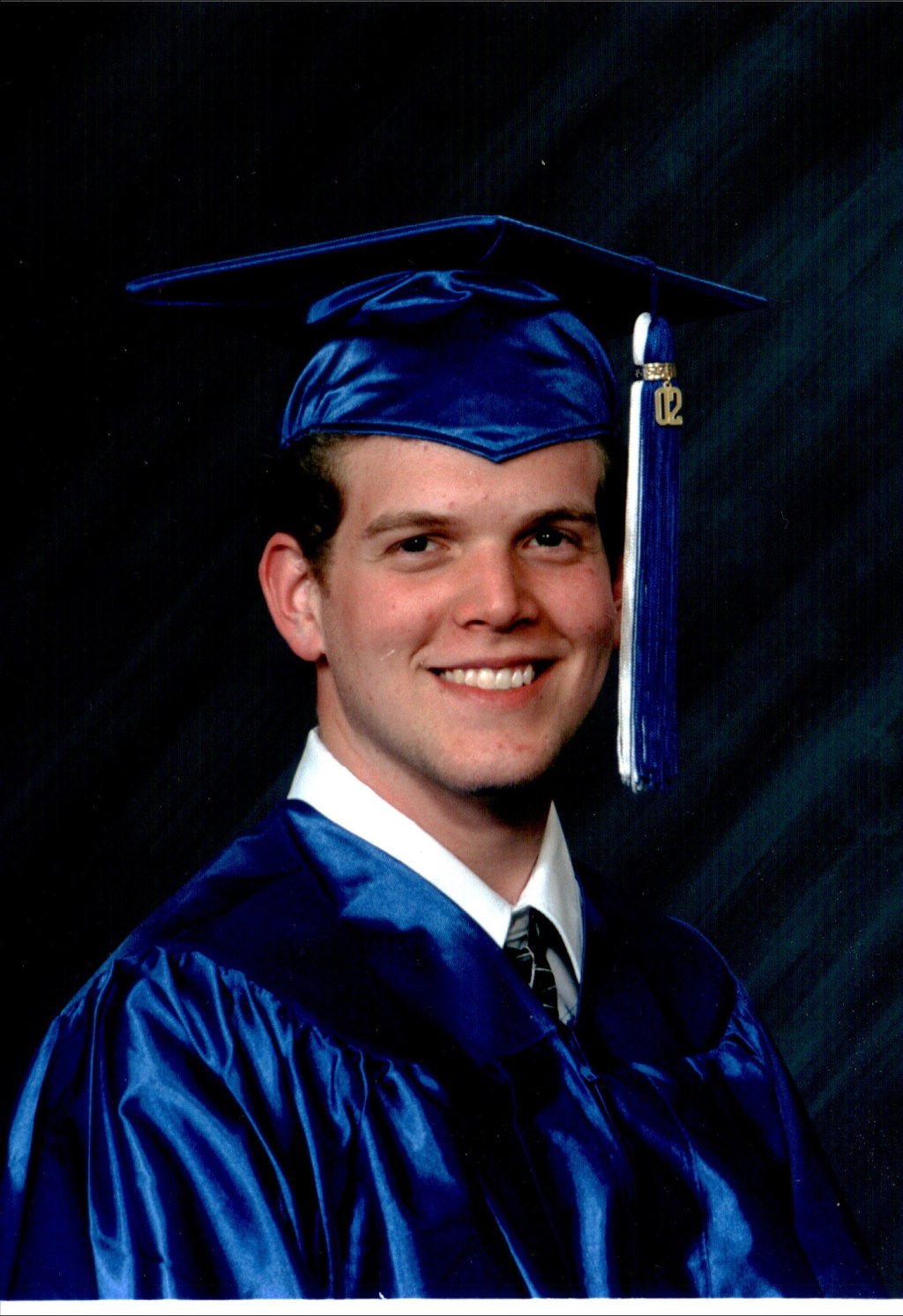
Today I find myself remembering my son, Joshua Blake Hargrove.
Joshua was born into our lives with a presence that filled every room. At 6’4”, people noticed him immediately, but what they stayed for was his heart. He carried a joy that was real, not forced. He made people feel seen, welcomed, and valued. There was something in him that drew others in.
On June 22, 2002, at 12:50 a.m., his life on this earth ended suddenly in a car wreck. There are no words that fully explain what that kind of loss does to a father. Time moves forward, but moments like this remind me that love does not fade, and neither does memory.
What stands out even more as the years pass is who Joshua was becoming.
Not long before he died, he told his friends he wanted to serve Jesus. That matters deeply to me. In a world full of distractions and competing voices, my son was turning his heart toward Christ. That was not something we put on him in that moment. It was something God was doing in him.
And in a way only God can orchestrate, Joshua’s life did not end that night.
He left behind more than memories. He left a path.
There was a youth Bible study connected to his life that we began to shepherd after his passing. What we thought would be a small act of faithfulness became a 20-year journey. Through that ministry, we were connected to hundreds of young people. We walked with them, learned from them, prayed with them, and watched God work in their lives.
That journey changed us.
It led his mother and me into places we never expected. It shaped our calling. It is part of what led us to become licensed and ordained pastors. Looking back, I can see clearly that God used Joshua’s life to open a door of ministry that has impacted far more people than we could have imagined.
That is not how a father plans a legacy for his son.
But it is how God redeems what we cannot understand.
Joshua’s witness was not just in what he said at the end, but in how he lived. His kindness, his joy, his presence, and his growing desire to follow Jesus continue to speak. His life still echoes in the lives of those he touched and in the work that continues today.
I miss him. There is not a day that passes that I do not think about what could have been.
But I am grateful.
Grateful for the years we had.
Grateful for the man he was becoming.
Grateful that his life pointed toward Jesus.
Grateful that his story did not end in the darkness of that night, but continues in the light of what God has done since.
In 2007 I stood at a remote metering station for an East Texas electric cooperative, eight miles down a caliche road from the nearest paved highway. The 900 MHz radio link feeding telemetry back to the control center had been installed in the late 1990s. I remember leaning against the chain-link fence that afternoon, path-profile sketch in hand, praying quietly for wisdom. The Fresnel zone clearance was marginal. The link budget gave us a fade margin that was “good enough for government work.” Co-site interference from two other transmitters on the shared water-tower mount was already measurable. None of it was dramatic. It was simply the quiet fragility I had come to expect after two decades in the field.
That same 1990s-era radio technology is still the backbone for far too many rural water systems in 2026. The same unlicensed sub-GHz links, the same RS-232 cables run through “temporary” conduit fittings, the same factory-default passwords on the web interfaces. The SCADA password is still written on a Post-it note taped to the server rack. The remote access tool is still TeamViewer or AnyDesk because the integrator is two hours away and the operator has a day job. None of this is negligence. It is rational adaptation to real operational constraints. The systems were geographically and technically isolated when they were built. The threat model changed. The trust model has not caught up.
This is the field reality the federal checklists rarely name. The CISA/EPA guidance is right: asset inventory is foundational. Before you can protect it, you must know it exists. But the real gap is not in the inventory. It is in whether those assets—the radios, the PLCs, the unlicensed backhaul links—are engineered to survive the conditions they actually face: weather fade, vegetation growth, shared tower interference, and the single-point-of-failure cable runs that operators have lived with for decades. The engineering toolbox—RF path profiles, link budget validation, co-site interference assessment, sub-GHz band baseline documentation—is not cybersecurity tooling. It is infrastructure truth-telling, and it is part of the sacred stewardship God has placed in our hands.
Technology has a way of promising control while quietly stealing meaning.
I see this in the field, and I see it in the wider culture. Two recent conversations with Harvard professor Arthur Brooks on the meaning of life in an age of emptiness stayed with me. He described how the attention economy and always-on technology push us into the left hemisphere of the brain—the side of tasks, analysis, and simulation—while starving the right hemisphere, the home of mystery, meaning, and real human connection. We scroll, we simulate relationships, we feed questions into AI that can never answer the coherence, purpose, and significance questions that actually matter. Life starts to feel like waiting in an airport lounge with no flight information.
My work is not exempt. The same radios and networks that keep water flowing and substations communicating can become 24/7 demands that blur the line between the system and the self. The perfectionism that once served excellence in design now imprisons me in the small hours, reviewing one more link budget. The weight of responsibility I have carried—for cooperatives, water districts, pipeline operators, and communities—has sometimes felt like the burden I was never meant to carry alone. I have internalized stress until it became heavy silence. I have pushed through grief over lost seasons and changing technology landscapes without giving mourning its due.
Faith does not offer escape from this weight. It offers integration.
The prayer journey I have been walking these past months has become my daily anchor in the field. It names the very patterns I see in both my work and my soul:
The weight I was never meant to carry alone — Galatians 6:2 reminds me that the law of Christ is mutual. I am learning to let operators, vendors, and fellow engineers share the load instead of pretending one licensed PE can hold every system together.
The Sabbath I have forgotten — God built rest into creation for a reason. Closing the laptop on the seventh day is an act of trust that the pumps and meters will still hold.
The grief that has not been given its due — I have mourned the slow obsolescence of systems I helped design, the contractors who have retired, and the simpler days when isolation was protection.
The perfection that imprisons — “My grace is sufficient for you, for my power is made perfect in weakness” (2 Corinthians 12:9). I now see marginal fade margins and legacy radios not as personal failures but as places where God’s strength can shine.
The help I cannot ask for — I am learning to speak the stress out loud to trusted brothers in Christ before it settles into my bones.
The silence that swallows — Acknowledging sin, fatigue, and limitation before the Lord breaks the isolation.
The compassion that has run dry — The Good Shepherd still makes me lie down in green pastures and leads me beside quiet waters. He restores my soul so I can keep stewarding what He has entrusted to me.
Scripture does not promise that the radio link will never fail or that the threat model will simplify. It promises that in Christ “all things hold together” (Colossians 1:17). The same Lord who upholds the universe upholds the fragile 900 MHz link and the operator who depends on it. Faithful engineering requires the same disciplines that faithful living requires: rigorous truth-seeking without overconfidence, documentation that outlasts any one contractor or operator, restraint that refuses to chase novelty at the expense of reliability, and the humility to ask for help before the single point of failure becomes a system-wide outage. It means designing for the real environment—shared towers, unlicensed bands, legacy systems from the 1990s that still work—while refusing to let the technology define the meaning of the days.
I am learning, slowly, to set down what was never mine to carry alone. To close the laptop on the Sabbath and trust that the pumps and meters will hold. To speak the stress out loud instead of letting it settle into the bones. To let the Shepherd lead me beside quiet waters even when the work feels urgent.
The radio link from 2007 is still there in spirit—updated, hardened where possible, documented now—but the deeper resilience comes from remembering that we are not the source of the system’s life. We are stewards of it, held by the One who never sleeps or slumbers.
To every operator, engineer, and leader carrying similar weight: inventory the assets. Harden the links. Document the baselines. But do not forget to rest. Do not forget to mourn what has changed. Do not forget to ask for help. And above all, do not forget that the meaning of this work—and of our lives—will never be found in the left-brain simulation of perfect uptime. It is found in the right-brain mystery of faithfulness lived in real time, with real people, under real grace.
The Shepherd is still leading. The line is still being held. And in Him, that is enough.
I’ve spent most of my career designing infrastructure systems—broadband networks, power grid communications, microwave backhaul, cybersecurity. Over four decades, I’ve worked for utilities, cooperatives, and municipalities. Honestly, it’s been more a series of opportunities that opened up than any grand master plan on my part.
During COVID—2020-2022—I worked 3,900+ hours of overtime helping launch a wireless internet service provider in rural Southeast Texas. We ended up covering about 20K households for a time. Families needed connectivity for school and work, and I had skills that could help. So I showed up. That part wasn’t heroic; it was just the next right thing.
Now I serve as COO at Evergreen Technology Solutions, still working on broadband expansion in overlooked rural areas. And I’m on a couple of boards—the library, economic development—trying to help my small hometown figure out how to grow without losing itself.
I also lead Bible studies and write about faith, grief, and what it means to show up when life feels scattered.
The Foundation
None of this makes sense without Leisa. We’ve been married forty-five years—high school sweethearts who somehow stayed in love through everything life threw at us. She’s been steady when I’ve been scattered, faithful when I’ve been foolish, present when I’ve been absent. She’s the actual backbone of everything I’ve managed to do. I mean that without exaggeration.
My parents shaped me too. My father, Robert, was a Korean War veteran who worked thirty-five years at DuPont. He didn’t talk much about work ethic or responsibility—he just lived it. Showed up, did the work with integrity, took care of his family. My mother, Lavee, brought creativity and faith into everything. They gave me roots in a small East Texas town and a sense that faithful work—unglamorous, steady, consistent—was how you lived out what you believed.
The Grief That Changed Everything
In 2002, our son Joshua died. He was eighteen. Bright, kind, sincere. He was our greatest joy and our deepest investment.
I don’t have words adequate to describe that loss. It still aches, twenty-plus years later. But grief, I’ve learned, is just love with nowhere to go. And that loss did something to us—to me, especially. It cracked me open. Made me less interested in advancement and more interested in presence. Less focused on my own achievement and more attuned to the pain of others.
After Joshua died, Leisa and I opened our home. We started leading Bible studies. We made our house a refuge for teenagers who were carrying their own wounds, searching for truth, needing to know that adults cared about them. That loss became the occasion for a different kind of work—the work of walking beside people in their pain.
It’s still the source of everything I do that matters.
Why I Do It
When you’ve buried a child, your priorities get sorted pretty quickly. What seemed important doesn’t anymore. What always mattered finally gets your full attention.
I’m hesitant to speak about purpose too boldly, but if I’m honest: I believe rural places and the people in them matter. They get overlooked. They deserve better. And I’ve been given some skills, some opportunities, and—most importantly—a wake-up call through grief that tells me this work is worth doing.
I don’t pretend the motivation is pure. Pride is mixed in there. Ambition too. But underneath it all is something simpler: when you see something broken and you have the tools to help fix it, when you’ve experienced loss deep enough to know what matters, and when you believe in God, you kind of have to try.
Small acts matter. One connection, one person, one conversation at a time. Leisa has taught me that by example. She’s been doing that kind of faithful, invisible work our entire marriage—showing up, staying present, loving people one at a time.
The Honest Part
The honest truth is I scatter myself across too many things. I take on too much. Leisa has had to remind me more times than I can count that I can’t do everything, that rest is not laziness, that presence at home matters more than one more project completed.
I’m still learning to say no. Still learning to ask for help. Still struggling with the burden-bearing that became my default way of operating. But the work—the broadband, the community service, the faith-building—it’s all pointing the same direction: toward people. Toward love made visible. Toward showing up for the overlooked, the grieving, the forgotten.
Leisa walks beside me in all of it. She’s the one who keeps me honest about what matters. She’s the one who’s loved me through seasons when I was too busy, too tired, or too stuck in my own head to deserve it.
Joshua’s memory is woven through it all too—a reminder that life is short, that presence is everything, that the work that lasts is the work done out of love, not ambition.
That’s what I try to do. Imperfectly. With a wife who’s far better at it than I am. And with the grace that meets us when we’re willing to be broken open by loss and built back up by faith.
Grief Is Just Love With Nowhere to Go
I didn’t come up with that phrase on my own. I’ve heard it before, but I can’t quite remember where. The first time I really understood it, though, was because I was living it.
Joshua died on a summer night in June 2002. He was eighteen years old. Smart, kind, sincere—the kind of young man who made you believe the world might actually be okay because people like him existed in it. Leisa and I had invested eighteen years into loving that boy, shaping him, praying for him, believing in who he was becoming.
And then he was gone.
For a long time after, I didn’t understand what to do with the love. That’s the part nobody tells you about grief. They tell you it gets easier with time, or that you learn to live with it, or that you find closure. But what they don’t say is that the love doesn’t go anywhere. It doesn’t diminish or fade or resolve itself into acceptance. It just stops having an obvious place to go.
I remember the first few weeks after Joshua died. The love was still there—urgent, real, physical almost. I wanted to do things for him, be present in his life, shepherd him forward. And I couldn’t. There was no object for all that love anymore. It had nowhere to attach itself.
That’s what grief is.
The Redirection
In August of that year, just a couple of months after we buried our son, Leisa and I made a decision. We reopened our home. We invited young people who wanted to honor Joshua and continue the Bible study he had been part of to come together. The loss was still raw—it’s still raw now, more than twenty years later. But we couldn’t sit with that love alone. It was too big. It needed to move.
So we created a space for it to move into. Teenagers came—kids who were grieving too, kids who wanted to remember Joshua, kids who were searching for truth and needed to know that adults cared about them. The love we couldn’t pour into Joshua anymore, we poured into them. Not as replacements—no one could replace Joshua. But as a direction for love that needed a direction.
Leisa was the visionary in this. I was still in the fog of it, still trying to figure out how to keep breathing. But she saw what needed to happen, and she stepped into it with a kind of grace I’m still learning from.
What It Means to Love the Dead
There’s a misconception that when you grieve well, the grief goes away. That’s not true. What happens instead is that the love finds new expression. The relationship doesn’t end—it transforms.
I still love Joshua. That love doesn’t leave just because he’s gone. It can’t. Love that deep doesn’t work that way. But I can’t call him, can’t teach him, can’t watch him grow. So the love has to take other shapes.
It takes the shape of opening our home to young people. It takes the shape of working 3,900 hours of overtime to connect rural families to broadband because I know—viscerally know—how precious connection is, how short life is, how much it matters to be present for the people in front of you while you have them.
When I sit with someone who’s grieving, I’m not sitting with them as a neutral party. I’m sitting with someone who loves someone they can’t reach anymore. And I know that place. I live in that place. I’ve made a home in it.
The Love Stays
Here’s what I’ve learned: grief doesn’t mean you stop loving. It means your love has to find new terrain. It means the person you love isn’t physically present anymore, but the love is still very much alive in you, looking for somewhere to land.
Some days I feel Joshua’s absence acutely—a birthday, a milestone, a moment when I think “he would have loved this.” Those days, the grief is sharp. The love has nowhere to go and it just sits in my chest like a stone.
But most days, I experience his love as directional. It moves through me toward other people. Toward Leisa, who has stood beside me through everything. Toward the young people who’ve walked through our home looking for sanctuary. Toward the rural communities that deserve dignity and connection. Toward the work that keeps me up at night because it matters, because lives depend on it, because someone’s son or daughter is on the other end of that broadband connection.
I’m not trying to say grief is good or that losing a child is anything other than devastating. It’s the worst thing that’s ever happened to me. And I wouldn’t wish it on anyone.
But I’m trying to say this: the love you have for someone doesn’t disappear when they do. It just demands a new expression. And if you’re willing to let it, if you’re willing to redirect all that urgent, desperate love toward the living world in front of you, it can become something redemptive.
Not healed. Not resolved. But purposeful.
A Different Kind of Presence
Leisa and I haven’t moved on from Joshua’s death. We’ve moved forward with it. We carry him with us. His memory shapes decisions we make, values we prioritize, people we’re called to serve.
When I’m working on bringing broadband to rural families, Joshua is there—in the urgency I feel, in the refusal to give up when systems are complicated, in the belief that every person deserves connection. When I’m sitting with a teenager who’s hurting, Joshua is there—in the patience I have, in the willingness to listen, in the knowledge that their pain matters.
The love I have for my son hasn’t been redirected away from him. It’s been integrated into a larger love—a love for the world he would have inhabited, for the people he would have cared about, for the work that needs doing while we’re still here.
That’s what grief is: love with nowhere to go, until you make it go somewhere. Until you let it reshape your life, your priorities, your work. Until you understand that the people you’ve lost aren’t actually gone—they’re woven through everything you do, everyone you serve, every moment you choose presence over ambition.
I still miss him. Every single day. But I’m grateful, too—grateful that the love we had doesn’t end at death. Grateful that I get to express it here, now, toward the people and the work in front of me.
That’s how Joshua still shapes the world. Not in the ways we planned. Not in the ways he would have chosen. But in real, concrete ways—in lives touched, in communities connected, in young people loved because his parents learned that grief is just love refusing to die.
You wake up carrying yesterday with you. Some memories refuse to loosen their grip. Loss. Regret. Questions that never quite resolve. You learn early that life does not hand out clean endings, only long roads and unfinished conversations. Still, you get up. Not because it’s easy, but because something inside you says you must.
You do your work quietly. You try to do it right. You learn that integrity costs more than compromise, but you pay it anyway. You discover that justice, truth, and love are rarely loud. Most of the time, they show up as persistence—showing up again when walking away would be simpler.
There are nights when the weight presses down hard. You replay moments you wish you could change. You hear echoes of people you loved and lost. You wonder whether holding on is strength or stubbornness. And yet, letting go feels like erasing part of who you are.
So you keep walking. Not because you have all the answers, but because you believe life has meaning even when it’s cracked. Somewhere along the way, you realize you are not carrying everything alone. There is a quiet presence beside you—steady, patient, faithful—bearing the heavier part of the load. The kind of presence that doesn’t rush you, doesn’t condemn you, and doesn’t leave when things get dark.
You learn that redemption is not sudden. It’s slow. It’s daily. It’s choosing truth over comfort, mercy over bitterness, and hope over despair. It’s discovering that love can meet you in broken places and still call you forward.
In the end, life is not about forgetting what shaped you. It’s about letting it refine you. You don’t let go of what matters. You carry it—transformed—into something truer.
Note on the spiritual undertones in “Can’t Let Go”
Beneath its noir tone, the song carries quiet traces of spirituality. The repeated tension between holding on and releasing mirrors a deeply human struggle found throughout Scripture—the desire to control the past versus the invitation to trust something greater than ourselves. “Can’t let go” is not just emotional attachment; it sounds like the soul wrestling with surrender.
There is an unspoken confession in the lyrics: acknowledgment of brokenness without denial, longing without easy resolution. That honesty echoes the psalms of lament, where faith is not polished but real. The song never preaches, yet it gestures toward the idea that healing does not come from erasing pain, but from being carried through it.
What makes the spirituality subtle—but powerful—is that the answer is not self-mastery. The weight feels too heavy to bear alone. That quiet recognition opens the door to grace. In Christian language, it resembles the moment before surrender, when the heart realizes it cannot save itself and must be held.
In that sense, Can’t Let Go becomes a prayer without religious language—a reminder that even in shadowed places, the struggle itself can be sacred, and that letting go is often less about loss and more about learning who is truly strong enough to hold us.
Today we celebrate Robert E. Hargrove—a man who showed us that the greatest gifts aren’t found in stores, but on the banks of the Neches River.
Dad gave us something precious: a love of the outdoors and the simple joys of being together. Camp Hargrove was his classroom, and we were his eager students. We learned patience waiting for the channel cats and blue cats to bite. We felt the thrill when the ops latched onto the trotline bait and swam into view as we pulled the line from the depths. We waded through sandbars, filled minnow jars with bait, seined the shallows, and floated lazy afternoons in inner tubes, letting the river carry us.
We remember the ritual of it all—Dad pumping water from the river, later from the well he drilled with his own hands. The smell of bacon and scrambled eggs sizzling in cast iron. Biscuits that tasted like only the camp did. Coffee brewed strong in that old pot, grounds settling at the bottom, sipped slowly by the campfire as fog drifted across the water at dawn. The soft sounds of the river greeting us awake.
And every Fourth of July, Dad’s fishing became a gift to us all—fish fries for the extended family, gathered together, fed by what his hands and the river had provided.
In those moments—before the day rushed in, surrounded by sons, nephews, and grandchildren—Dad was teaching us how to live. How to slow down. How to appreciate what matters. How to pass love down through generations.
Those riverside mornings and summer days shaped who we became. Dad’s love for nature, his steady presence, his generosity of spirit—these are the catches we keep forever.
Happy Birthday, Dad. We’re still there by the river with you. 🐟🏕️💙
December 5, 1927 – September 6, 2013
ON THIS DAY
8 years ago
Glen Richbourg is feeling blessed with L.v. Hargrove and 2 others. wrote in 2013
Uncle Bob taught me the difference between a blue cat, channel cat and a mud cat. He could scull all the way around Mud Lake and not make a single splash. Made the best camp breakfasts ever and I’ve never had even a Starbucks that could match his river water coffee. Some of the best memories of my life were out in the Neches River bottom being a kid with the Hargrove boys and Uncle Bob. I learned life lessons from him about respecting the land, nature and fellow human beings that l’ve carried my entire life. He also raised the three best men you’ll ever meet. I will forever miss him.
There are moments in life when movies, memories, and years of lived experience weave themselves into a single thread. Looking back from sixty-seven, I can see how the stories that once entertained me now speak with deeper meaning. They shine a quiet light on what I have carried, what I have learned, and who I have become.
Two films from late 2001 come to mind—stories set in the shadows of espionage and conflict, filled with characters wrestling with impossible choices. On the surface, they were thrillers. Beneath the surface, they were studies in darkness, loyalty, and the long, hard road toward redemption. Only now do I see why they left such a mark.
Both narratives followed men who lived in the shadows—first as soldiers, then as operatives shaped by ambiguity. Each learned to navigate life with precision, endurance, and a sense of duty that often required more than most people ever see. They carried weight—emotional, moral, and sometimes spiritual. They worked under pressure, made decisions that others would never know about, and shouldered consequences that rarely made headlines.
Yet in the end, their defining moments weren’t the missions they completed or the dangers they survived. Their defining moments were the ones where they chose love over protocol, compassion over convenience, and human life over institutional safety. In those choices, we see how men shaped by darkness still gravitated toward the light.
At sixty-seven, I understand that more deeply than I once did.
Life has a way of testing every belief we have about ourselves. There are seasons when the weight feels unbearable—years of responsibility, the losses that accumulate, the roles we never asked for but stepped into anyway. There are moments when duty seems to conflict with compassion, when institutions fail the people in them, and when the world asks us to harden our hearts just to stay afloat.
But there is another story running underneath all of that. A quieter one.
The older I get, the more convinced I am that light has a way of finding its way into even the darkest corners. Faith becomes less about having every answer and more about trusting that God meets us in the places where our strength wears thin. Love becomes less of a feeling and more of a choice—a decision to stand with people, protect them, guide them, or rescue them when the world turns away.
Redemption, too, looks different with time. It is not a sudden, dramatic reversal. It is slow, steady restoration. It is the grace that holds you together when you have carried too much for too long. It is the courage to step toward the light even after walking through shadows.
When I look back, I see how many moments were shaped by these themes. Times of crisis where clarity finally emerged. Seasons of confusion that eventually revealed deeper purpose. Relationships tested but made stronger by truth. Leadership forged in hard places. And always, the gentle hand of God pulling me back toward the light when the world felt heavy.
Those old movie stories were fiction, but the truths inside them are not. We all stand at the crossroads between darkness and light more often than we admit. We all feel the strain of choices that have no easy answers. And all of us, if we are honest, long for redemption—something that tells us our struggles were not wasted and our sacrifices were not in vain.
At sixty-seven, this is the lesson that rings truest: the weight we carry does not define us. What defines us is the love we choose, the faith we hold, the light we walk toward, and the redemption that meets us along the way.
Over the past several weeks, I’ve noticed a pattern rising in my heart—a mix of heaviness and hope, grief and gratitude, pressure and purpose. The holiday season always magnifies what is present in the soul, and this year is no different. I find myself remembering the people who shaped me, the stories that anchor me, and the losses that still echo in quiet moments.
At the same time, my days are full of responsibilities—engineering projects, community work, pastoral care, business decisions, family needs. I feel the pull from every direction, not because any of it is unworthy, but because all of it matters. Leadership in any form carries an invisible weight. And sometimes that weight presses harder in November and December.
Yet beneath all of this, something steady keeps tugging me forward: hope.
Not the thin kind that ignores reality or paints over pain. But the kind that believes God is present even in the unanswered questions. The kind that remembers that Jesus steps into weary places, not polished ones. The kind that says, “You don’t have to carry this alone.”
As I look back at conversations, projects, and prayers from the last week, I see the same thread weaving through everything: healing. Healing for myself. Healing for others. Healing for the places in our community that feel stretched or wounded. Healing for the dreams that feel fragile but not extinguished.
And the truth is, hope and healing aren’t found by escaping life—they grow right in the middle of it.
Every memory that stings reminds me there was love. Every responsibility that feels heavy reminds me there is purpose. Every moment of fatigue reminds me I need grace beyond myself.
And grace keeps showing up.
So I’m choosing to keep walking—one step at a time, one day at a time—trusting that the God who has carried me this far will carry me further still. My prayer is simple:
“Lord, meet me here. Make something good out of the weight I’m carrying. Let Your light break through.”
Because even in the heaviness, hope is rising. #HopeInTheJourney #JesusHeals #GraceInRealLife
For Joshua Blake Hargrove from John Hagrove his dad June 2025 1984–2002
My son,
If I could sit across from you today—twenty-three years after you left this world—I would begin with the words that still rise unbidden in my heart: I miss you. Every day. Not with the same sharp ache as before, but with a quiet, steady presence that stays with me like breath. You are never far from my thoughts, never absent from my soul.
I would tell you honestly: a piece of me went quiet the day you died—and another part went angry. I wasn’t just broken. I was furious. Angry at the unfairness, the helplessness, the fact that the world kept spinning without you in it. I didn’t know how to carry the weight of that kind of grief, so I buried it. I buried the part of me that laughed freely, dreamed boldly, and felt things too deeply.
And in its place, I went to work. I built things. I solved problems. I became dependable and productive. But underneath it all, I was still just a father who had lost his son. The music stopped. The prayers faded. I kept going because I didn’t know how to stop—but I also didn’t know how to live fully anymore.
If I could tell you anything now, it would be this: Your death didn’t end me—but it did remake me. And over time, with grace and patience, something inside me began to stir again.
I would tell you that God didn’t abandon me. He held me through it all, though I didn’t always recognize His presence. And in the years that followed, a few key people—some family, some unexpected friends—entered my life and helped awaken parts of me I thought were gone forever. None of them replaced you. They couldn’t. But somehow, through their kindness, gentleness, and love, I began to feel again. I began to believe that I could be fully alive, even while still carrying your absence. I hold those relationships with reverence. They brought back to life the part of me that knows how to love without fear.
I would tell you about your mama. She’s still the strongest woman I’ve ever known. Her grief was quiet, but it ran deep. We’ve grown older together, and we still speak your name. Sometimes in words, sometimes in silence. You are still part of our home, our hearts, our story.
I’d tell you about the little ones in our family—your cousins’ children, great-nieces and nephews you never got to meet. I watch them play, laugh, stumble and grow, and I see glimpses of you. Their lives are full of light, and I imagine the kind of uncle you would have been—funny, kind, full of mischief and wisdom. Your absence in those moments is a presence all its own.
I’d tell you that I’ve come to believe in resurrection—not just of bodies, but of broken hearts, of joy, of purpose. I’ve come to believe that the deepest love isn’t erased by death. It changes form, but it remains. And I carry you as part of that resurrection. You are part of what brought me back to life.
Most of all, I would tell you that you are still my son. Nothing—not time, not distance, not death—can ever take that from us. You made me a father. You taught me the kind of love that doesn’t fade. And though I never got to watch you grow old, you’ve shaped the man I’ve become more than anyone else ever could.
If I could hold your face in my hands one more time, I would say what I still say in the silence of prayer:
You are my boy. I love you. And I will carry you until the day I see you again.
With all I am, Dad
And I would tell you—humbly—that someone came into my life many years later who helped awaken something that had gone dormant inside me. That I could still feel. Maybe I was allowed to be fully alive again. I hold that chapter of my life with reverence. As strange and sacred as it was, it brought something back to me I thought was lost forever: the part of me that knows how to love without fear.
As I sit here on a quiet November evening in 2025, sixty-seven years after that January night in Kirbyville, I find myself doing what old engineers do best: tracing the signal all the way back to its source.
It started with a curious boy in Buna who followed a dog named Brownie too far into the pasture and had to be rescued by the fire department, milk and cookies waiting with Ms. James. That same boy took apart radios just to watch the voices spill out, swam a mile for a merit badge at thirteen, and somehow earned the rank of Eagle Scout before most kids earn a driver’s license. He learned drafting at his grandfather Truman’s knee, watched his dad Robert come home from Dupont with plastic under his nails and quiet integrity in his eyes, and felt his mom Lavee’s faith wrap around the house like the smell of coffee and bacon on Sunday mornings.
That boy met a girl named Leisa at a graduation ceremony in 1975, and something silent and certain took root. We married in 1980 while I was still failing (and then passing) calculus at Lamar, barely scraping together rent, nearly losing each other in the exhaustion and anger of those lean years. But grace is stubborn, and we stayed. In 1984 God gave us Joshua—our Disney World miracle—and for eighteen bright years the three of us were a complete world.
Then came a season of wandering in the wilderness of my own making. Through the late 1980s and most of the 1990s—while on the outside I was climbing towers, building companies, and looking like the picture of success—inside I was coming undone. I wore a faith mask on Sundays and a competent-engineer mask on weekdays, but underneath I was angry, blind, and selfish. I kicked walls, punched doors, tore things apart with my hands when I couldn’t fix what was breaking in my soul. I hurt Leisa and Joshua with fits of rage I still regret, and toward the end I tried to fill the God-shaped hole with every wrong thing I could find. I was lost and didn’t even know how lost.
But on an October night in Orange, Texas, in 2000—two years before the worst day of my life—Jesus found me anyway. I was on my knees at a simple prayer rail, surrounded by other broken men unloading their souls, tears soaking a box of Kleenex. It wasn’t a dramatic revival; it was gentle, forceful, prevenient grace pulling me home before I had earned a single step. That night the signal broke through the noise, and I came back to the Father who had never stopped chasing me.
Two years later, when the valley came and losing Joshua in 2002 broke things in me I didn’t know could break, I discovered that God had already been rebuilding the foundation. The rage was quieter, the mask no longer fit, and though the grief was deeper than any ocean, I now had an Anchor. For a long time I still wore a limp and carried the ache, but I no longer carried it alone. Grief taught me that the capacity to ache is the capacity to love, and love, it turns out, is the only thing that outlasts death. Leisa and I opened our home, led youth groups, hosted Bible studies, and tried—imperfectly—to turn sorrow into sanctuary for others walking the same road.
The years after Joshua are marked by a limp I will carry to my grave, but also by a clarity I never had before. Grief taught me that the capacity to ache is the capacity to love, and love, it turns out, is the only thing that outlasts death. Leisa and I opened our home, led youth groups, hosted Bible studies, and tried—imperfectly—to turn sorrow into sanctuary for others walking the same road.
Meanwhile the work kept calling. From student engineer at Gulf States Utilities to supervising microwave networks that spanned half of Texas; from founding New Signals Engineering on a wing and a prayer to watching it grow into two decades of service; from climbing towers in the rain to keep the lights on in rural counties, to standing up a wireless internet company in the middle of a pandemic so kids in Buna could go to school online—none of it was glamorous. Most of it was midnight pages, impossible budgets, and prayers whispered over schematics. But it mattered. Lights stayed on. People stayed connected. Grace snuck in through fiber and radio waves.
Looking back, I see the thread God was weaving when I could only see tangles: every tower I climbed, every co-op boardroom where I fought for resilience, every late-night text to a grieving parent, every tower hand-off that brought broadband to a forgotten corner of East Texas—it was all the same calling dressed in different clothes. Build. Repair. Connect. Stand in the gap.
I am not the man I planned to be. Thank God. I am the man grief refined, grace pursued, and Leisa loved into existence. Joshua is waiting (I know this in my bones), my dad and grandparents have gone ahead, and one day soon the final signal will come through clear: “Well done.”
Until then, I keep showing up—still curious, still learning, still building, still surrendering. The quiet work goes on.
And by the mercy that has chased me across six decades of East Texas pine and microwave paths, I can say with all my heart: I had a great life. Because He did.