
In an age of microphones, hot takes, and viral outrage, it is worth asking a quiet question:
If Jesus listened to one of our political podcasts — full of frustration, mockery, policy arguments, and sharp humor — how would He respond?
Not how would He vote.
Not which side would He take.
But how would He interact?
This is not about scoring political points. It is about discipleship in a noisy age.
1. He Would Listen Before He Spoke
One of the most striking patterns in the Gospels is how often Jesus lets people talk.
The Pharisees speak.
The disciples misunderstand.
Pilate questions.
The Samaritan woman explains her life.
He listens.
James writes, “Everyone should be quick to listen, slow to speak, and slow to become angry” (James 1:19). Jesus embodied that.
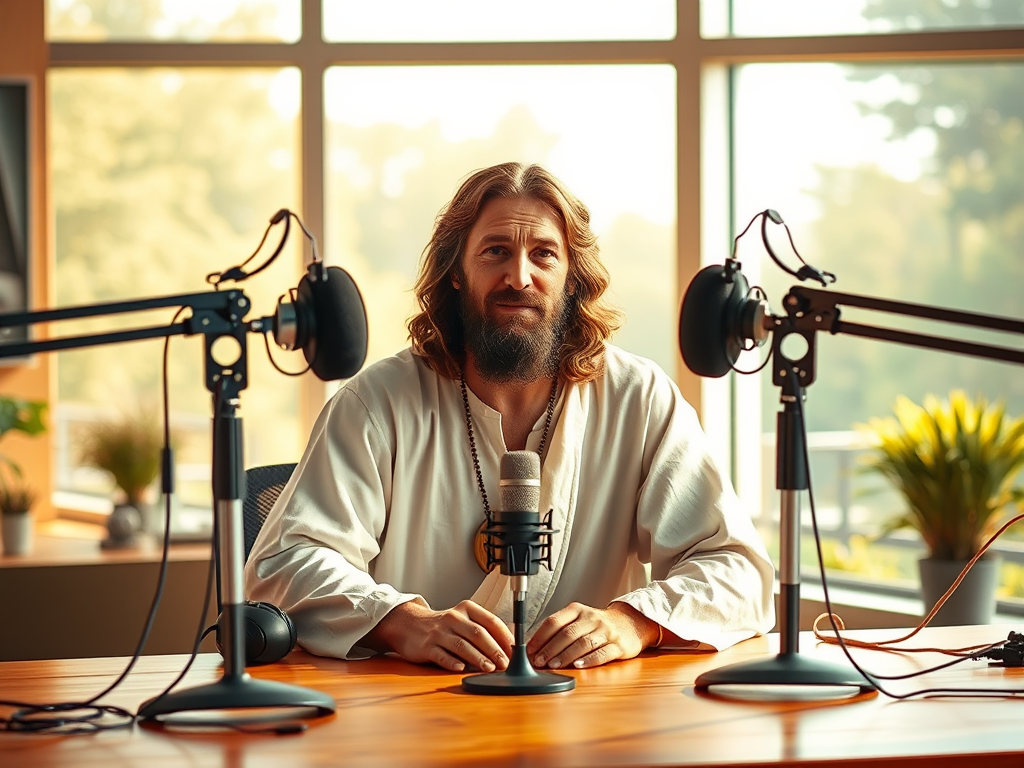
If He sat in a studio chair, He would not begin by correcting tone or policy. He would listen long enough to understand what was driving the words.
Because beneath every rant is a fear.
Beneath every mockery is a wound.
Beneath every certainty is a longing to be right.
2. He Would Separate Concern from Contempt
In political commentary, real concerns are often wrapped in ridicule.
Concern: Cities feel chaotic.
Concern: Language games can obscure truth.
Concern: Policy without enforcement fails.
Those are legitimate public questions.
But when concern turns into contempt — when people are reduced to “junkies,” “idiots,” “demons,” or caricatures — something in the spirit shifts.
Jesus confronted hypocrisy fiercely (Matthew 23), but He did not mock the vulnerable. He rebuked sin, but He did not dehumanize sinners.
He warned:
“Whoever says to his brother, ‘You fool,’ will be liable to the fire of hell.” (Matthew 5:22)
The danger is not disagreement.
The danger is contempt.
Contempt reshapes the heart long before it reshapes policy.
3. He Would Challenge Overgeneralization
“It’s all drug addicts.”
“They don’t want to fix it.”
“They’re just voting for free stuff.”
Sweeping statements feel powerful. They simplify complexity and energize crowds.
But Jesus worked in specifics.
Zacchaeus was not “a corrupt tax collector.” He was Zacchaeus.
The woman caught in adultery was not “moral decay.” She was a person.
The rich young ruler was not “elite greed.” He was a soul in conflict.
When crowds tried to flatten people into categories, Jesus restored names and faces.
He might gently ask:
“Is every person you describe truly the same?”
“Do you know their story?”
Truth without nuance becomes cruelty.
4. He Would Press for Personal Responsibility
One recurring theme in political outrage is this:
“If they really cared, they would…”
Jesus often turned that logic inward.
When the disciples said the crowd should be sent away to find food, He replied:
“You give them something to eat.” (Mark 6:37)
When a rich man asked about eternal life, Jesus told him to sell what he had and give to the poor (Matthew 19:21).
If a podcaster said, “Elites should give up their extra houses,” Jesus might ask:
“What about you?”
The Kingdom of God does not begin with “they.”
It begins with “you.”
5. He Would Refuse Tribal Identity
Modern discourse often forces binary alignment:
You are either with this side or that side.
But Jesus did not fit neatly into political categories of His time.
He was not a Zealot revolutionary.
He was not a Roman collaborator.
He was not a Pharisaical legalist.
When asked about taxes — a political trap — He responded, “Render to Caesar what is Caesar’s, and to God what is God’s” (Matthew 22:21).
He refused to be captured by tribal framing.
If drawn into partisan narratives, He might say:
“You see enemies. I see neighbors.”
That is not naive. It is radical.
6. He Would Address Fear Beneath Anger
Many political rants are fueled by fear:
Fear of disorder.
Fear of national decline.
Fear of losing cultural ground.
Fear of corruption.
Anger is often fear with armor on.
When the disciples panicked in the storm, Jesus asked:
“Why are you afraid?” (Matthew 8:26)
He addressed the fear before the waves.
If He sat in a studio where frustration boiled over, He might ask:
“What are you protecting?”
“What are you afraid will be lost?”
And that question would quiet the room more effectively than an argument.
7. He Would Lift the Conversation Above Policy
Jesus did not ignore earthly matters — He spoke of taxes, justice, leadership, stewardship.
But He consistently traced public disorder back to the human heart.
“Out of the abundance of the heart the mouth speaks.” (Matthew 12:34)
He might not start with, “Here is the correct immigration policy.”
He might start with, “What kind of people are you becoming while you debate it?”
Because a nation can enforce laws and still lose its soul.
A movement can win elections and still lose mercy.
8. He Would Call for Truth Without Malice
Jesus is both:
Full of grace.
Full of truth. (John 1:14)
Grace without truth becomes sentimentality.
Truth without grace becomes brutality.
In our media culture, we often see:
Truth claims weaponized without love.
Or love language detached from reality.
Christ refuses both distortions.
If He spoke into a heated conversation, He would not lower the bar of truth — but He would cleanse it of cruelty.
9. What This Means for Us
The deeper question is not:
“How would Jesus correct them?”
It is:
“How would He correct me?”
When I consume political content:
• Do I enjoy contempt?
• Do I feel morally superior?
• Do I hunger more for outrage than understanding?
• Do I pray for those I criticize?
If Christ’s Spirit dwells in us, then our speech should begin to resemble His.
Not timid.
Not silent.
But measured, merciful, and courageous.
Closing Reflection
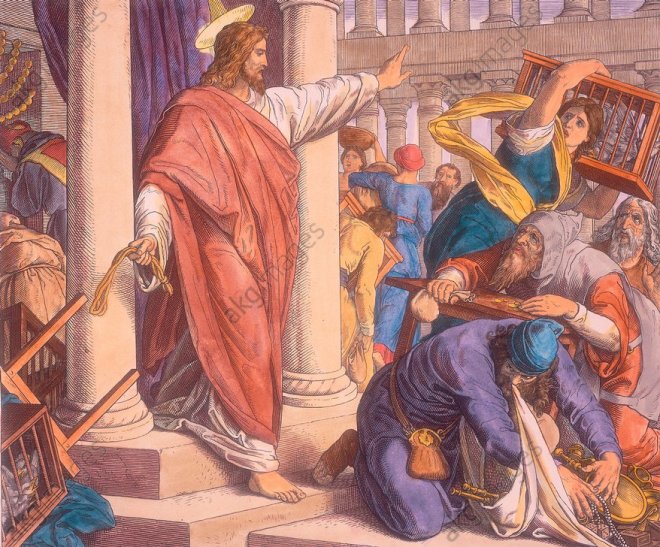
If Jesus walked into the studio, I do not believe He would flip the table over the microphones.
He would listen.
He would ask piercing questions.
He would confront pride.
He would dignify the unseen.
He would call everyone — hosts and critics alike — to repentance.
And He would remind us that no political reform can substitute for a transformed heart.
Because the Kingdom He brings is not built by ridicule, nor preserved by rage.
It is built by truth spoken in love.
And that is harder than any podcast debate.

 John Hargrove Seeking Truth and Reality