“If I Could Call Back, I Would. But Now I Build.”

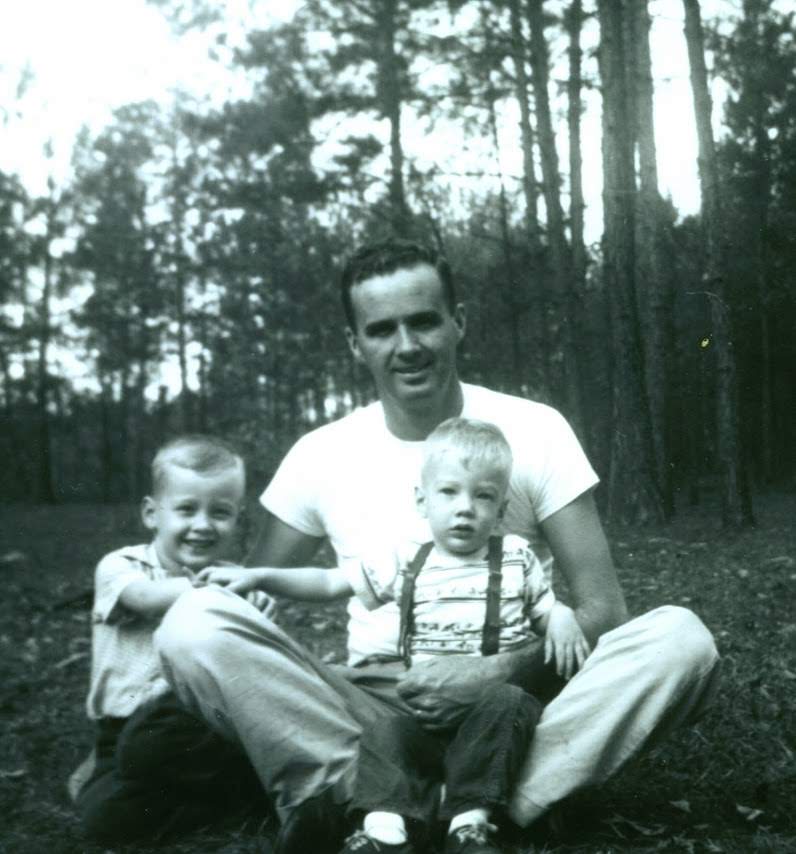
There are days I still wish there was a payphone at the edge of time.

A place I could drop in a coin and reach back—

to tell Joshua I love him one more time.

To warn myself.

To freeze the moment before everything fell apart.

But there’s no going back.

Only through.

And so I do whatever it takes.

Not because I’m fearless,

but because I’ve been through fire

and I refuse to come out without purpose.

Some people think I’m just resilient—

but this journey didn’t start in grit.

It started in design.

In my bones, I’m a man who values good engineering.

I spent years learning how to plan and build around whatever came up—

terrain, weather, variables.

You adapt. You solve. You make it work.

But then death showed up.

The kind of break an engineer can’t fix.

There was no schematic for that.

No redundant system to reroute the pain.

And in that devastation, I had to make a choice.

I couldn’t bring him back.

But I could build forward.

So I made a vow:

I would try four times as hard.

To build something that mattered.

To create something rooted in meaning.

To serve, to love, to live—and never quit.

“If happy ever afters did exist…”

That lyric used to hit hard. Still does, some days.

But I’ve learned that even without fairy tales,

you can still write a redemptive story.

I’ve learned to live in the liminal space.

The not-yet.

The maybe-so.

The just-for-today.

Truth is, I don’t always know if the work I’m doing

will bear the fruit I hope for.

But I know what I can’t do—

I can’t give in.

I can’t numb out.

I can’t walk away from the promise I made in silence.

If there’s no payphone to the past,

then I will build with open hands and fire in my chest.

Not with certainty. But with conviction.

Because Joshua deserves a father

who did whatever it took.

And because God is still writing—

even in the silence.

Abraham Rescues Lot – A Reconstructed Storyline (Genesis 14:1–16)

Setting the Stage:

Lot, Abraham’s nephew, had chosen to settle near Sodom, a fertile but morally corrupt region in the Jordan Valley (Genesis 13:10–13). In Genesis 14, a coalition of four eastern kings from Mesopotamia and Elam—led by Chedorlaomer, king of Elam—invades Canaan to subdue rebellious city-states, including Sodom and Gomorrah.

These kings likely traveled along the King’s Highway, a major trade route, and imposed control over local economies. When the kings of Sodom and Gomorrah rebelled after twelve years of paying tribute, Chedorlaomer’s forces returned to crush the rebellion.

The Conflict Begins (Genesis 14:1–12)

The invading coalition swiftly defeats several peoples across Canaan, including the Rephaim, Zuzim, and Emim, who were known as fierce warriors. Finally, they confront the southern kings of Sodom, Gomorrah, Admah, Zeboiim, and Bela in the Valley of Siddim (possibly near the southern end of the Dead Sea).

The defenders are routed. Many fall into tar pits; the rest flee to the mountains. Lot is captured, along with his household and possessions. He is taken northward—likely en route back to Mesopotamia—as part of the spoils.

Abram’s Response (Genesis 14:13–16)

A survivor escapes and informs Abram the Hebrew, who is living near Mamre the Amorite at Hebron. Abram quickly mobilizes a private fighting force of 318 trained men, born in his household. This is astonishing—these are not conscripts but likely skilled retainers, trained in self-defense, caravan protection, and possibly past tribal skirmishes. Abram also forms a military alliance with Aner, Eshcol, and Mamre, his Amorite neighbors.

Abram divides his forces at night—possibly staging an ambush from multiple directions. The tactic reflects ancient Near Eastern warfare: using darkness and surprise to disrupt larger armies.

The Battle at Dan and Victory

Abram pursues the enemy northward—about 100 miles from Hebron to Dan (ancient Laish, near modern Lebanon). This long pursuit shows resolve and strategic knowledge. At Dan, Abram attacks under cover of night. The chaos works: Chedorlaomer’s forces are routed, and the captives and spoils are recovered.

Abram continues his pursuit as far as Hobah, north of Damascus—ensuring the enemy is thoroughly scattered and will not return. He retrieves Lot, his family, and the plunder.

Cultural and Spiritual Notes

  • War Parties and Raids: In Abraham’s time, tribal skirmishes and city-state conflicts were common. A household with hundreds of men was significant—Abram may have had up to 1,000 total dependents when including families.
  • Abram the Chieftain: Though known to us as a patriarch, Abram functioned as a wealthy tribal chieftain—influential enough to make military pacts with Amorite clans and confront regional kings.
  • A Man of Peace and Justice: Abram does not seek conquest; he acts to rescue family and bring justice.
  • Foreshadowing Christ: Just as Abram risked himself to rescue Lot, Jesus would later pursue us when we were taken captive by sin.

Key Takeaway for Today:

Abram’s courage shows that faith is not passive. It may mean taking risk for others, acting in justice, and trusting God’s hand in uncertain battles. His victory reminds us that even small, faithful communities can stand against mighty powers when God is with them.

The story of Abraham rescuing Lot (Genesis 14:1–16) fits beautifully into the overarching themes of Session 2: Abraham – Faith and Promise. Below are key intersections between the rescue of Lot and the broader lesson about faith, covenant, and obedient trust, using insights from Scripture, Wesleyan theology, and practical application for the FMC Buna community.

Intersections Between Lot’s Rescue and Session 2 Themes

1. Faith in Action, Not Just Words

Genesis 12 introduced Abraham’s faith as a response to God’s call—he went, even without knowing the destination. In Genesis 14, that faith becomes courageous action: he goes again, this time to rescue Lot.

Wesleyan Insight:

John Wesley called true faith “faith working through love.” Abraham’s pursuit of Lot demonstrates that faith isn’t passive trust—it’s active obedience motivated by covenantal love.

Reflection: How is God asking me to live out my faith—not just believe, but intervene, serve, or protect?

2. Covenant-Led Loyalty

Abraham doesn’t just act out of emotion—he acts out of a covenantal mindset. Lot may have made unwise choices (settling near Sodom), but Abraham remains faithful to their family bond. He also works in alliance with Amorite neighbors (Genesis 14:13), honoring local covenants.

GMC BODD Tie-in – ¶101.5–6:

Covenant requires responsibility, not just relationship. Abraham’s loyalty reflects the kind of covenantal living the church is called to—faithful, self-sacrificing, relational.

Reflection: Do we, as FMC Buna, protect and pursue one another as members of a covenant family—even when people stray?

3. God’s Providence Over Power

Abraham’s force of 318 men defeats a coalition of kings—because he acts with wisdom and God’s favor. The victory is disproportionate, proving that success doesn’t depend on numbers or might, but on God’s provision and timing.

Session Theme Connection:

“Faith walks uphill and still believes.” Abraham wasn’t guaranteed victory—yet he obeyed. This moment anticipates Genesis 22 (the testing of Isaac), where Abraham again acts in faith without knowing the outcome.

Reflection: Where are we being asked to step out in trust, even when the odds look impossible?

4. Righteous Intervention

Abraham did not pursue personal revenge or gain—he risked much to rescue another. His action models how the righteous stand in the gap for others, a foreshadowing of Jesus, the greater Intercessor.

Christological Echo:

Just as Abraham rescued Lot, Christ comes to rescue us—not because we earned it, but because of covenantal love.

Reflection: Is there someone I’ve given up on, who may need me to act with grace and courage on their behalf?

The Hound of Heaven

The Hound of Heaven (Retold: John’s Story)
inspired by Francis Thompson

I fled Him—
Not with wild rebellion,
but with a mask, a schedule,
a smile I wore to church.
I buried myself in roles,
in performance,
in the lie:
I am not enough.

He followed.

Through my wife’s quiet loyalty,
through the voice that said,
“This is not who you are.”
Through Leisa’s love—stubborn, undeserved—
He kept whispering,
even when I had stopped listening.

I fled Him—
into ambition, distraction,
self-justification.
Into the ache of not being seen,
not even by myself.
I believed the lie was my truth.
That unworthiness was my name.

But still—
He followed.

With unhurried pace,
with measured mercy,
with deliberate grace.

He did not break the door.
He knocked.

And when I lost my way,
He left signs:
A friend’s invitation.
A weekend I didn’t want.
A table with a name—
The Living Word.
He was already speaking
before I could understand the words.

I fled Him—
into rage and grief,
into the night my son died.
Into the scream that emptied my soul
in the dark of our driveway.

And still—
He was there.

I didn’t feel Him.
Didn’t want Him.
But He was already holding me
when I had nothing left to hold.

Twelve fifty AM.
A detail on a death certificate.
The same moment I looked at my phone.
I thought it was coincidence.
But it was grace—
etched in eternal ink.

I fled Him,
but I never outran Him.
Because prevenient grace does not chase to conquer—
it chases to claim.

And even as I sat in silence,
too wounded to respond,
He stayed.

Even as I forgot His face,
He remembered mine.

Even as I questioned His love,
He was writing my calling.

Even as I buried my son,
He was planting seeds of purpose.

And now—
I do not run.

Now I walk.
Sometimes I limp.
But I walk with the One
who never stopped walking with me.

My Mirrors

Liminal Scripture and the Story I’m Living

Genesis 32 – Wrestling at the River

“Jacob was left alone, and a man wrestled with him until the breaking of the day.”

I know this place—

the night where there are no more distractions,

where the only way forward is through

the pain I’ve been carrying.

Like Jacob, I have wrestled with God—not to win,

but to be changed.

To know that this wound I walk with

is also a blessing I carry.

I am not who I was.

And I do not walk alone.

The in between

I’ve been sitting with the reality of what it means to live in the in-between.

There’s a word for that space: liminal. It means the threshold, the crossing place. Not where you started, not yet where you’re going. Just… between.

That’s where I’ve lived for a long time—between grief and hope, memory and mission. And it’s exactly where grace keeps showing up. Not in the clarity, but in the ache. Not in the certainty, but in the stillness.

I wrote this poem as a way to name that place. It’s where I still meet God. It’s where Joshua’s memory lives. And it’s where the call to serve others continues to grow.

The Space Between

for Joshua, for the walk, for the waiting

I walk between the then and now,

Where silence speaks, and I still bow.

The doors behind are closed and gone,

Yet something keeps me holding on.

Not past, not future—this is air

Too thick with love to not be prayer.

A voice I knew, a name I miss—

Still echoes softly in the midst.

I live where longing finds its place,

Where grief and grace still share a face.

This weight I bear, I will not trade—

It shaped the man that love has made.

Don’t ask me why I can’t let go—

Some things we’re not meant not to know.

For what I hold, still holds me too,

And pulls me toward what’s strong and true.

And when I speak of grace that finds,

Of roads that wind, of sacred signs—

I do so not from knowing much,

But from the places God still touched.

So if I pause here, in-between,

It’s not because I’m lost or mean.

It’s that the cross was planted there—

And resurrection meets me where

The past and future seem to strain—

And Jesus weeps and walks again.

He calls me not to let it go—

But let it grow. And let it flow.

Maybe you’re in a liminal place, too.

Not sure what’s next. Not able to forget what came before.

If so, you’re not alone.

That space between? It’s holy ground.

God still moves there. Grace still flows there.

Noah’s Obedience When It Defied Logic and Social Norms

Noah’s Obedience When It Defied Logic and Social Norms

Biblical Context:

Genesis 6:9–22 describes Noah as a “righteous man, blameless in his generation,” who “walked with God.” This stands in direct contrast to the rest of society, which had become “corrupt” and “filled with violence” (Genesis 6:11). Into this setting, God gives Noah a radically countercultural command: to build a massive ark in anticipation of a flood—despite no evidence of rain, and with no visible crisis.

“Noah did all that God commanded him.” (Genesis 6:22)

Why It Defied Logic:

  • There was no precedent for a global flood. The concept itself would have seemed irrational.
  • The ark’s size, construction, and timeframe made the project look absurd.
  • No one else was warned or preparing. Noah acted alone on God’s word.
  • He devoted decades to building something with no immediate payoff and no social reinforcement.

In terms of pure reason or natural observation, Noah’s obedience made no sense. But Hebrews 11:7 says:

“By faith Noah, being warned by God concerning events as yet unseen, in reverent fear constructed an ark…”

This is what Wesleyan theology calls faith working by love—not obedience born of fear, but trust rooted in relationship.

Why It Defied Social Norms:

  • Noah’s culture had normalized violence, corruption, and irreverence.
  • He likely faced ridicule, alienation, and misunderstanding.
  • There was no moral majority to support him—he walked faithfully in isolation.
  • In contrast to the cultural rejection of divine authority, Noah submitted completely to God’s word.

In Wesleyan terms, this is an example of entire sanctification—not sinless perfection, but full consecration to God, even when the world says otherwise.

Why It Matters Today:

  • Noah’s story challenges believers to follow God’s voice over public opinion or popular logic.
  • In a culture that prizes instant results and visible proof, Noah teaches long obedience in the same direction.
  • For the church, especially at FMC Buna, Noah is a model for spiritual leadership: building ministries, relationships, and witness—not because they’re culturally endorsed, but because they’re biblically commanded.

Reflection Questions:

  • What “ark” might God be asking me to build that doesn’t make sense to others?
  • Where have I hesitated to obey because it might seem foolish, unpopular, or lonely?
  • What does it look like to walk with God in my generation, as Noah did in his?

Finding God in the Texas Floods: Nature, Blame, and the Wisdom of Christ

Posted on July 8, 2025

In July 2025, central Texas was struck by a devastating flood that claimed over 100 lives, including more than two dozen children at Camp Mystic, a Christian summer camp. The Guadalupe River, swollen by heavy rains from the remnants of Tropical Storm Barry, surged from 1 foot to 36 feet in hours, turning a place of joy into a scene of unimaginable loss. As communities mourn, two narratives have emerged: one highlighting the floods’ predictability and preventability, and another decrying the rush to pin blame on political figures. Yet, as Christians, we are called to look beyond headlines to find God’s presence in tragedy, resist divisive impulses, and seek wisdom for the road ahead.Drawing on Psalm 46, the Parable of the Wise and Foolish Builders, and the timeless teachings of John Wesley and Augustine of Hippo, this article explores three questions: Where is God in the power and pain of nature? How do we overcome the temptation to cast blame? And what wisdom can we gain from Christ to respond with faith and action? The Texas floods challenge us to wrestle with suffering, but they also invite us to build our lives on the rock of God’s truth.God in Nature: Refuge in the Storm

The Free Press article, “The Texas Floods Were an Avoidable Tragedy,” paints a sobering picture: the floods were not a freak event but a recurring risk in Texas’ Flash Flood Alley, where the Guadalupe River’s limestone bed amplifies rapid water flow. Historical records and paleoclimatology show centuries of extreme flooding, from 1846 in New Braunfels to today. Despite advances in mitigation—flood fatality rates dropped by two-thirds from 1958 to 2018—the 2025 tragedy was worsened by inadequate warning systems, making it “preventable.

”Psalm 46:1–3 offers a powerful lens for understanding nature’s dual nature: “God is our refuge and strength, an ever-present help in trouble. Therefore we will not fear, though the earth give way and the mountains fall into the heart of the sea, though its waters roar and foam.” The psalmist acknowledges nature’s chaos—roaring waters, crumbling earth—yet finds God as a steadfast refuge. This promise resonates with flood survivors clinging to hope amid loss.

John Wesley, the founder of Methodism, provides theological clarity in his sermon “The General Deliverance” (1781). He teaches that natural disasters reflect a fallen creation, marred by humanity’s sin, where floods and earthquakes disrupt God’s original harmony. Yet, Wesley insists, God’s providence governs all events: “God is over all, and… He doeth whatsoever pleaseth Him in heaven, earth, and the sea.” The Texas floods, driven by the Guadalupe’s geological quirks, fit this view—a natural order permitted to produce suffering but never outside God’s sovereign care. Wesley’s hope lies in a future where creation is redeemed, free from such pain.

Augustine of Hippo, in City of God (Book XI), complements this by affirming God’s role in creation. He sees suffering as part of God’s plan in a fallen world, where God’s providence “orders all events to the fulfillment of His eternal purpose.” For Augustine, the floods are not divine punishment but opportunities for redemption—moments when God brings good from evil.

The community’s outpouring of support, from animal rescues to prayers for Camp Mystic, hints at this redemptive work: God’s love shining through human compassion. As we reflect on the Texas floods, Psalm 46 calls us to “be still, and know that God is God” (v. 10). Nature’s power can terrify, but God’s presence comforts. Have you seen God in nature’s beauty or trials—a sunset over a river, or hope amid a storm?

The floods remind us that God is both creator and sustainer, inviting us to trust Him even when the waters roar.

The Trap of Blame: Choosing Humility Over Judgment

The New York Post article, “Malicious Critics Are Trying to Blame Trump for the Texas Floods,” highlights a human impulse to point fingers after tragedy. Critics accused former President Trump and Elon Musk of gutting the National Weather Service (NWS) with 10% staff cuts, allegedly causing the high death toll.

The article counters that the NWS issued timely warnings—starting days before the flood, escalating to a flash flood emergency at 4 a.m. on July 4—yet the Guadalupe’s sudden surge overwhelmed response efforts. The rush to blame, labeled “malicious” and “fact-free,” reveals a deeper issue: our tendency to judge rather than seek solutions.

Jesus confronts this impulse in John 8:7, when He tells an accusing crowd, “Let any one of you who is without sin be the first to throw a stone.” Facing a woman caught in sin, Jesus redirects judgment to self-examination. Similarly, in Matthew 7:1–2, He warns, “Do not judge, or you too will be judged. For in the same way you judge others, you will be judged.”

These words challenge the political blame game surrounding the floods, urging us to look inward before casting stones. John Wesley, in “On Divine Providence” (1786), cautions against rash judgment: “Let us not rashly charge God with injustice… but humbly adore His unsearchable wisdom.” Wesley sees blame as a distraction from trusting God’s plan, which weaves even tragedies into a tapestry of redemption.

The NWS’s warnings, as the Post details, show human effort, but the tragedy’s scale suggests shared responsibility—local officials, communities, and individuals all play a role. Blaming one leader oversimplifies a complex failure.

Augustine, in Confessions (Book IV), reflects on his own grief and warns against blaming others: “I was miserable, and so is every soul… who seeks to blame rather than to seek You.” For Augustine, blame stems from human frailty, diverting us from God’s healing presence.

In the flood’s aftermath, pointing fingers at Trump or Musk risks ignoring practical steps, like improving warning systems, as the Free Press advocates.

The Texas floods expose our temptation to judge, but Jesus calls us to humility. When have you been quick to blame? How might Matthew 7:1–5 shift your perspective? By resisting blame, we open space for collaboration and healing, trusting God to guide us through human imperfection.Wisdom from Christ: Building on the Rock

The Texas floods demand more than reflection—they call for wisdom to respond with faith and action. Jesus’ Parable of the Wise and Foolish Builders (Matthew 7:24–27) offers timeless guidance: “Everyone who hears these words of mine and puts them into practice is like a wise man who built his house on the rock. The rain came down, the streams rose, and the winds blew… yet it did not fall… But everyone who hears these words… and does not put them into practice is like a foolish man who built his house on sand… it fell with a great crash.” This parable speaks directly to the floods, where preparation (or lack thereof) determined outcomes.

The Free Press article underscores the tragedy’s preventability, noting that despite known risks in Flash Flood Alley, inadequate warning systems failed to save lives.

The Post highlights the NWS’s efforts, but the deaths at Camp Mystic suggest gaps in local response. Jesus’ parable warns against hearing truth—like flood warnings or historical data—without acting on it. Wisdom means building on the rock of Christ’s teachings: obedience, preparedness, and trust in God.

John Wesley, in “The Cause and Cure of Earthquakes” (1750), applies this principle to disasters: “God permits these evils, but He calls us to use our reason to lessen their effects.” Wesley sees human responsibility as a divine mandate, urging practical action to mitigate suffering.

The Free Press’s call for better warning systems echoes this, suggesting that wisdom involves learning from past floods to protect future lives. Whether through infrastructure or community planning, we’re called to act as stewards of God’s creation.

Augustine, in On Free Choice of the Will (Book III), teaches that wisdom comes from aligning our will with God’s: “God allows evil to exist… that we might learn to choose the good and find Him.” Suffering, like the loss at Camp Mystic, is a chance to grow in virtue—compassion, resilience, faith.

For Augustine, the Christian community’s response, from counselors’ bravery to animal rescues (Post article), reflects God’s grace transforming pain into purpose.The Parable of the Wise and Foolish Builders challenges us to act on Christ’s wisdom. How can we “build on the rock” in response to the floods?

Practical steps might include supporting disaster relief, advocating for improved warning systems, or fostering community preparedness. Spiritually, it means grounding our lives in prayer, Scripture, and trust in God’s providence, as Wesley and Augustine urge.

Living Out the Wisdom: A Call to Action The Texas floods of 2025 are a heart-wrenching reminder of nature’s power, human frailty, and God’s enduring presence. Psalm 46 assures us that God is our refuge, even when waters roar. Jesus’ teachings in John 8 and Matthew 7 call us to humility, resisting the trap of blame. The Parable of the Wise and Foolish Builders, enriched by Wesley and Augustine, equips us to face suffering with wisdom—building lives and communities that withstand the storms. As we mourn the lives lost, especially the children at Camp Mystic, let’s commit to practical and spiritual action:

  • Pray: Lift up flood victims, survivors, and responders, seeking God’s comfort and guidance.
  • Support: Donate to relief organizations or volunteer with groups like the animal rescue mentioned in the Post article.
  • Advocate: Push for better disaster preparedness, as the Free Press suggests, to prevent future tragedies.
  • Grow: Deepen your faith through Scripture, prayer, and community, trusting God’s providence as Wesley and Augustine teach.

The Texas floods challenge our faith, but they also reveal God’s presence—in nature’s order, human compassion, and Christ’s wisdom. Let’s build on the rock, living as lights in a world desperate for hope. What’s one step you’ll take to respond to this tragedy with faith and action? Share in the comments below, and join us in praying for Texas.
A Faithful, Fair, and Lawful Approach to Immigration Policy

Introduction

The immigration debate in the United States remains one of the most complex moral and policy challenges of our time. It touches on national security, economic stability, human dignity, and the very identity of our nation. This paper seeks to integrate several vital frameworks—rule of law, compassion, fairness, and Christian moral teachings—into a coherent position on illegal immigration. It draws upon recent commentary by Eli (June 2025), policy critiques from across the spectrum, and the biblical values shared by many American citizens.


I. Rule of Law Is Non-Negotiable

The foundation of any functional society is the rule of law. U.S. immigration law is clear in its categories of legal entry, enforcement priorities, and consequences for unlawful presence. To disregard these laws—either through selective enforcement or policy loopholes—is to undermine the very principle of fairness that legal immigrants rely on. As former Senator Barack Obama said in 2005, “Those who enter the country illegally and those who employ them disrespect the rule of law and show disregard for those who are following the law.” Flashback 2005_ Sen.

Policy Alignment:

  • Immigration enforcement must continue to prioritize border integrity and penalize employers who exploit undocumented labor.
  • Clear distinctions must be made between economic migrants, asylum seekers, and criminal actors.
  • Reform must include modernizing immigration court backlogs to uphold legal timeliness and due process. Illegal Immigration_ En….

II. Compassion Must Be Real, Not Reckless

Christian teachings call for the protection of the vulnerable—including immigrants (Leviticus 19:33–34, Matthew 25:35). However, compassion does not require the erasure of law; it requires discernment. A blanket leniency undermines justice, just as blind enforcement ignores human dignity. Compassion must be applied case by case, particularly to children, asylum seekers, and those who have established peaceful, productive lives in our communities.

Balanced Policy Suggestion:

  • Create earned legalization pathways for long-term, law-abiding undocumented residents.
  • Expand humanitarian parole and asylum processing centers outside U.S. borders to reduce unauthorized entry and unnecessary trauma. Post on immigration by ….
  • Prioritize legal representation for minors and vulnerable individuals to ensure just outcomes.

III. Fairness in Process and Policy

Our legal immigration system is fundamentally unfair to many who seek to follow the rules. Wait times can exceed 20 years for applicants from high-demand nations. At the same time, undocumented individuals who crossed the border outside the legal process may remain in limbo for decades with no pathway to legal status.

Reform Recommendations:

  • Update legal immigration caps to reflect modern labor needs and demographic trends.
  • Create a new visa category for essential laborers with no legal pathway.
  • Enforce employer accountability to prevent job-market exploitation of undocumented workers. PESTLE Analysis of Ille….

IV. Taxpayer Fairness and Economic Sustainability

With over $34 trillion in national debt, the U.S. cannot afford policies that ignore long-term fiscal impact. Undocumented immigrants contribute significantly through ITIN-based tax payments—over $90 billion in 2023 alone—but also strain local education, healthcare, and legal systems. Any policy must reconcile these contributions with costs and protect programs like Social Security that depend on a growing legal workforce.

Fiscal Integrity Requires:

  • Legal status pathways that include tax compliance, not amnesty.
  • Reduced spending on ineffective border tactics like walls in favor of smart surveillance and interdiction tools.
  • Penalties for employers who offload their tax burdens by exploiting undocumented labor markets. Post on immigration by ….

V. Christian Moral Teaching: Justice and Mercy Together

A Christian approach to immigration combines the call to love the stranger (Deut. 10:19) with the call to obey the law (Romans 13:1). It does not justify open borders or sanctify cruelty. It acknowledges the sanctity of each life while affirming national responsibility to protect and regulate entry. Christians are called to act justly, love mercy, and walk humbly (Micah 6:8), which includes advocating for immigration laws that are both fair and compassionate.

Christian Application Includes:

  • Standing against racial prejudice and fear-based policies.
  • Supporting reform that offers dignity to the undocumented without rewarding lawlessness.
  • Offering sanctuary in a spiritual and humanitarian sense, without undermining public orderChristian views on immi….

Conclusion: A Path Forward

America must not choose between law and love. It must pursue both. That means building a system where:

  • Laws are clear, enforceable, and respected.
  • Immigrants are treated with dignity, not suspicion.
  • Citizens and legal immigrants are not punished for following the rules.
  • Taxpayers are protected through smart, sustainable policy.

We need not accept the false choice between border anarchy and brutal enforcement. A faithful, fair, and lawful approach is possible—and it is the one America, and its Christian conscience, must pursue.

Redemption 2025

There was a time I didn’t know how far I had wandered.

At first, it was just a few small steps—away from peace, away from purpose, away from the heart of the Shepherd. I didn’t call it rebellion. I called it survival. The terrain of life had grown rough, filled with disappointments and losses too sharp for easy answers. One day blurred into the next, and slowly, I drifted—quietly, steadily—until I couldn’t see home anymore. I couldn’t even hear the others calling.

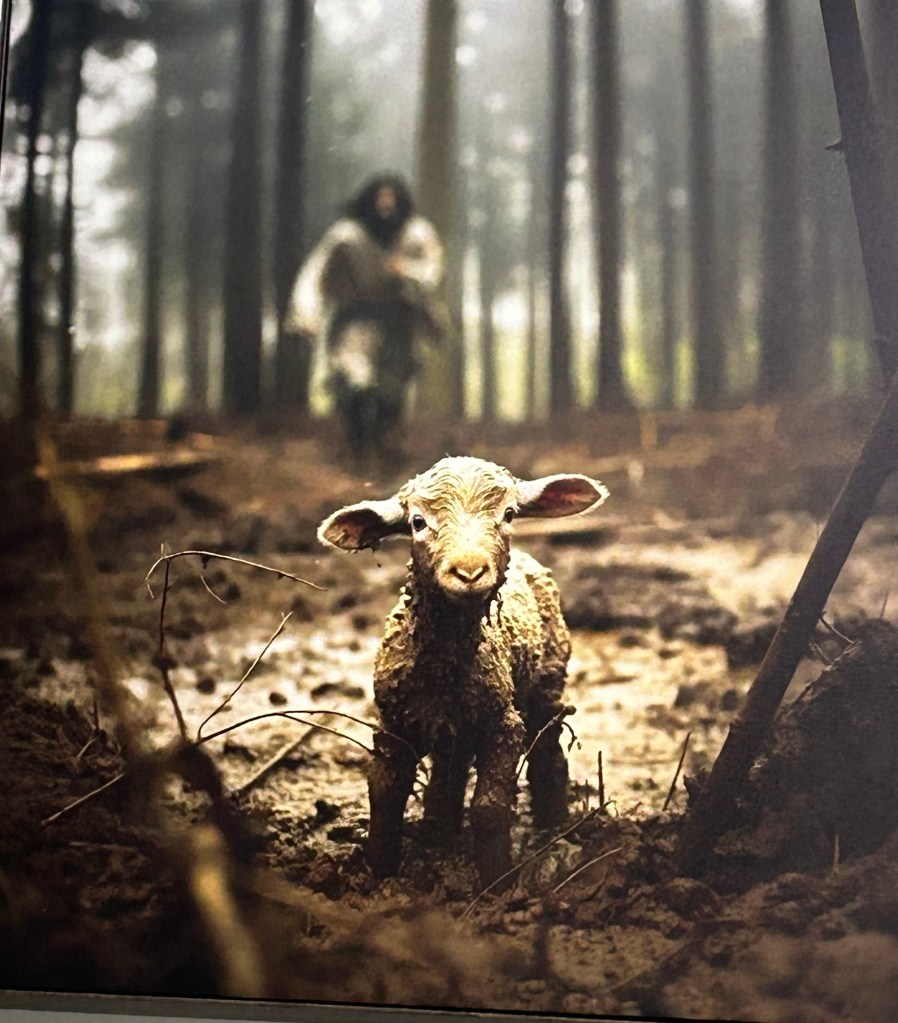
I didn’t know I was the lost lamb.

But He did.

Through the darkest places, the Shepherd came for me. Not with a shout, not with punishment, not even with demands—but with mercy. With memory. With the sound of grace carried on the wind. I remember moments when I felt something stir in my chest at the sight of a sunrise, or in the sound of an old hymn, or in a kind word that cut through the numbness. That was Him. I see it now.

He never stopped pursuing me.

When I lost my son, I thought the pain would silence everything. A part of me died that day. The shepherd’s voice grew faint under the weight of grief. I wore anger like armor. For years, I wandered further still, all the while convincing myself I was fine. Capable. Standing. But inside, I was lost—aching and unfinished.

And still, He pursued.

He found me in places I never thought He’d go—on the Emmaus road of sorrow, in the Chrysalis of rebirth. Through the testimonies of others, through gentle hands that offered grace, through a thousand ordinary moments that added up to one extraordinary truth: I wasn’t alone.

He carried me back.

Not with force, but with love so persistent it broke through my shame. He carried me not because I had earned it, but because He chose me—always had. Like the parable told long ago, He left the ninety-nine to find the one. Me.

And even now, when I stray in mind or spirit, when the ache resurfaces or the weight returns, I remember: I am still the one He came for. Not just once, but every time I begin to drift.

I once was the lamb who wandered.

Now I am the one who was found. And still, He walks with me.

This is the story of Chrysalis. The story of Emmaus. The story of redemption told not just in words, but in the footsteps of a Savior who never stops walking toward the lost.

It is my story

The Day I Returned Again

Personal Prayer: The Day I Returned Again

June 7, 2025

God,

I come to You today not as the man who got it all right—

but as the man who didn’t walk away.

I come not with clean hands,

but with open ones.

You know where I’ve failed.

You’ve seen the moments I stayed silent when I should have spoken,

pushed forward when I should have been still,

held on too tightly when You were asking me to release.

I confess it.

I carry it.

But I do not hide it.

Because I believe You are not asking for perfection—

You are asking for presence.

And so today, I show up.

Not with all the answers,

but with all the willingness I have left.

Take my uneven steps,

my tender longing,

my fractured love—

and make it something holy again.

Thank You for never turning away.

Thank You for waiting through the silence.

Thank You for writing a story in me, even when I lost the page.

Let me serve with humility.

Let me love without demand.

Let me carry what I carry with grace.

And if there is still more for me to do,

then let me do it with a clearer heart,

a gentler presence,

and a deeper trust in You.

In Jesus name – Amen.