1958 space. My birth
1965 lost in space. Gemini
1969 Armstrong on moon
1971 Grand Canyon
1974 house fire
1976 senior year
1980 marriage
1984 Joshua
1986 fertility
1993 exit GSU
1995 new signals
1999 lost in myself
2000 lost in Jesus
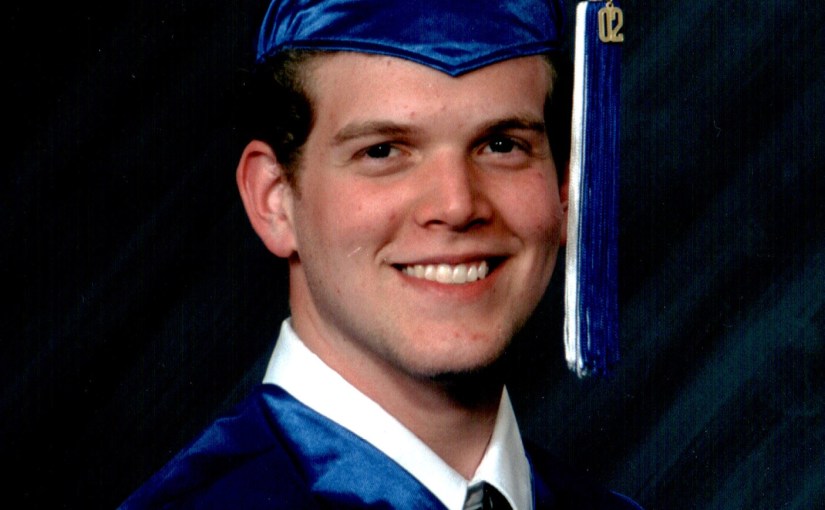
2002 Joshua
2015 end of new signals
2019 back to consulting
2020 elektrafi
2022 back to L&W
2023 evergreen
The Hound of Heaven (Retold: John’s Story)
inspired by Francis Thompson
I fled Him—
Not with wild rebellion,
but with a mask, a schedule,
a smile I wore to church.
I buried myself in roles,
in performance,
in the lie:
I am not enough.
He followed.
Through my wife’s quiet loyalty,
through the voice that said,
“This is not who you are.”
Through Leisa’s love—stubborn, undeserved—
He kept whispering,
even when I had stopped listening.
I fled Him—
into ambition, distraction,
self-justification.
Into the ache of not being seen,
not even by myself.
I believed the lie was my truth.
That unworthiness was my name.
But still—
He followed.
With unhurried pace,
with measured mercy,
with deliberate grace.
He did not break the door.
He knocked.
And when I lost my way,
He left signs:
A friend’s invitation.
A weekend I didn’t want.
A table with a name—
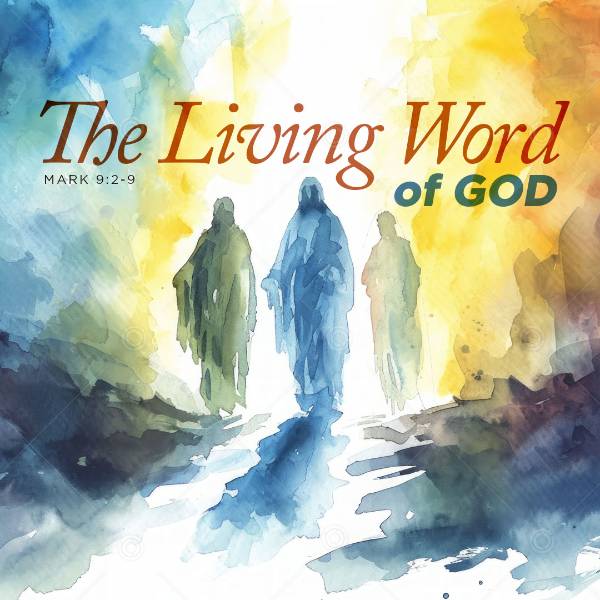
The Living Word.
He was already speaking
before I could understand the words.
I fled Him—
into rage and grief,
into the night my son died.
Into the scream that emptied my soul
in the dark of our driveway.
And still—
He was there.
I didn’t feel Him.
Didn’t want Him.
But He was already holding me
when I had nothing left to hold.
Twelve fifty AM.
A detail on a death certificate.
The same moment I looked at my phone.
I thought it was coincidence.
But it was grace—
etched in eternal ink.
I fled Him,
but I never outran Him.
Because prevenient grace does not chase to conquer—
it chases to claim.
And even as I sat in silence,
too wounded to respond,
He stayed.
Even as I forgot His face,
He remembered mine.
Even as I questioned His love,
He was writing my calling.
Even as I buried my son,
He was planting seeds of purpose.
And now—
I do not run.
Now I walk.
Sometimes I limp.
But I walk with the One
who never stopped walking with me.
A Life of Purpose
Faith, Engineering, and Quiet Service
John Edwin Hargrove
Born January 24, 1958
Kirbyville, Texas
Dedication
To Leisa,
my partner in all things,
To Joshua,
whose brief life illuminated what matters most,
To the legacy bearers who come after,
carrying forward what was given to us.
Table of Contents
Foreword
PART ONE: ROOTS AND INHERITANCE
- The Forty-Third Generation: An Epic of Inheritance
- Ancestry and Heritage
PART TWO: FORMATION YEARS (1958–1976)
- Chapter 1: Roots in Buna — Family, Faith, and the Land
- Chapter 2: Troop 44 — The Shaping Years
PART THREE: BUILDING YEARS (1976–2002)
- Chapter 3: College, Marriage, and the Engineering Path
- Chapter 4: Professional Life and Community Roots
PART FOUR: THE TURNING POINT (2000–2005)
- Chapter 5: Spiritual Awakening and the Loss of Joshua
- Chapter 6: Treasured Memories from 2001
PART FIVE: MATURE SERVICE (2006–2025)
- Chapter 7: Influencers in Life — The People Who Shaped Us
- Chapter 8: A Life of Quiet Leadership
- Chapter 9: Reflections at Sixty-Seven
PART SIX: ONGOING JOURNEY
- A Prayer Journey: Seven Movements Toward Wholeness
Appendices
- Timeline of John Edwin Hargrove (1958–2025)
- Complete Ancestral Framework
Foreword
This is not a biography written by an outsider. This is a life story written from within—the accumulated reflections, memories, and documents of a man who has lived through six decades of purpose, struggle, faith, and service.
John Edwin Hargrove was born in a small East Texas town to parents who modeled integrity, creativity, and responsibility. He grew up carrying both the weight and the gift of a twelve-century legacy of which he was largely unaware. He would become an engineer, an entrepreneur, a father, a widower, a community leader, and a servant of both God and neighbor.
This book gathers the written work of recent years—journals, memoir pieces, ancestral narratives, and reflections on a life still unfolding. It is organized chronologically, thematically, and spiritually to tell a complete story: where John came from, who shaped him, what he has built, what he has lost, and what he has learned.
It is the story of ordinary faithfulness—the kind that builds communities, sustains families, and endures through loss without losing its capacity to hope.
It is also the story of a man who still feels, at sixty-seven, like he’s just beginning.
May you find in these pages something that speaks to your own journey.
PART ONE: ROOTS AND INHERITANCE
Every life is shaped by forces that precede it. Family heritage, ancestral courage, inherited values—these things move through us like water through limestone, invisible but shaping everything.
For John Hargrove, that inheritance is remarkably deep. It stretches back twelve centuries, from Welsh kings to French refugees to Carolina settlers to Texas pioneers. It is the story of people who chose faith over comfort, service over self-preservation, and community over isolation.
To understand John, we must first understand where he came from.
The Forty-Third Generation: An Epic of Inheritance
This is the story of a twelve-century inheritance. It begins in the misty mountains of Wales, passes through the persecution of French Huguenots, spreads across colonial Carolina, and ultimately reaches East Texas—where a man named John Hargrove carries forward what his ancestors fought to preserve.
From Merfyn the Freckled to Modern Day
In the year 825, a Welsh prince with freckled skin and iron determination consolidated his kingdom against Norse raiders and Mercian armies. His name was Merfyn Frych. He refused to surrender. He held the line. This is the first inheritance: the refusal to abandon what matters, no matter the cost.
Eight centuries later, his descendants faced a different kind of siege. When King Louis XIV revoked the Edict of Nantes in 1685, French Protestants called Huguenots faced an impossible choice: abandon faith or abandon homeland. The Richbourg family chose faith. They joined 200,000 refugees fleeing to the New World.
This is the second inheritance: the willingness to sacrifice comfort for conviction.
The Carolina lowcountry was not kind to its new arrivals. Swamps and fever, brutal summers, uncertain harvests. But they persevered. They were merchants and artisans, craftsmen and farmers. They built. This is the third inheritance: the capacity to build from nothing.
The Richbourgs never stopped moving. From Carolina to Georgia to Alabama to Mississippi to Texas. Each generation carried forward the same qualities: faith, determination, service, and the stubborn refusal to abandon responsibility.
Now comes John Hargrove. The forty-third generation of a line that began before the Norman Conquest. He carries the same blood that flowed through Merfyn the Freckled, mixed with a thousand tributaries but still carrying the same essential qualities. The same determination that enabled a Welsh prince to hold his kingdom now drives an engineer in East Texas to work when he should rest. The same faith that carried Huguenots across an ocean now makes it impossible for him to set down responsibilities that perhaps he should let others carry.
The inheritance is there. It moves through him like water through limestone—invisible, shaping, persistent.
But inheritance is both gift and weight. The strengths that saved his ancestors can become the very things that threaten him. Resilience can harden into inability to yield. Service can curdle into inability to receive. Faith can transform into weight that no single pair of shoulders should be asked to bear.
This is John’s journey: to understand what he has inherited, honor it, and learn to carry it differently—with grace, with help, with the wisdom that some burdens were never meant to be borne alone.
The Web of Names: A Brief Ancestral Framework
Your family tree spans approximately 1,465 individuals and reaches deep into early American colonial families. It includes:
English Ancestry from Virginia, North Carolina, South Carolina, and Georgia—families like Pace, Smithwick, Wright, Richardson, and Pearce. These are the colonial settlers and frontier pioneers who established the American South.
French Huguenot heritage through the Richbourg/Richebourg line—Protestant refugees who fled persecution and built communities in the Carolinas, then pushed westward.
Scots-Irish and Scottish pioneers who brought frontier independence and community values to the rural South.
Medieval British connections through several documented gentry lines—York, Plantagenet, Tudor, Howard—appearing through early Virginia families.
Welsh, Irish, and other Western European lines, adding texture and resilience to the overall inheritance.
This is not a heritage of wealth or titles. It is a heritage of faithfulness, courage, hard work, and the determination to build something that lasts. From the mountains of Gwynedd to the piney woods of East Texas, across twelve centuries and an ocean, through persecution and migration and war and peace, the line endures.
It endures because each generation chose to honor what was given to them by transforming it for those who followed.
That is the true inheritance. That is the story John carries.
PART TWO: FORMATION YEARS (1958–1976)
Chapter 1: Roots in Buna — Family, Faith, and the Land
I was born on a cold Friday morning, January 24, 1958, in Kirbyville, Texas, but my life’s soil was in Buna, a place that—once it has claimed you—never truly lets you go. The pines here grow tall and straight, the summers hum with cicadas, and the air smells faintly of pine resin, red dirt, and whatever your neighbor is cooking for supper. It was here, in this small town tucked into the corner of East Texas, that my roots sank deep.
My father, Robert Edwin Hargrove, was a man who carried his Korean War service in quiet dignity. He was as comfortable with a wrench as he was with a fishing rod, able to coax life back into broken machinery or find the perfect spot on the Neches River for catfish. He taught me that work wasn’t just about making a living—it was about doing it right, whether anyone noticed or not.
My mother, Lavee Richbourg Hargrove, was a blend of creativity, grit, and gentle stubbornness. She could sew clothes that fit better than anything from a store, make a meal stretch farther than seemed possible, and still have the energy to craft something beautiful. Her hands were never idle, and neither was her faith.
We lived on forty-four acres just south of town, with a yard full of chickens, the occasional stubborn dog, and the kind of peace you only find when the nearest neighbor is a good walk away. The house was modest, but the table was never empty, and my parents worked side-by-side to make sure of it.
The Grandparents’ Influence
On my mother’s side, Mozell Bellomy Richbourg was a steady presence—a woman of kindness who had a habit of serving “coffee milk” to the grandchildren, a sweet mix that made us feel grown. My grandfather, George Truman Richbourg, was a dreamer and a draftsman, and I can still remember the smell of pencil shavings and paper in his workroom. He taught me the art of drawing plans, the patience of careful lines, and the belief that ideas could become real things.
On my father’s side, Melvina Denman Hargrove was tall, constant, and caring. My grandfather, James Gaius Hargrove, was a character—always with a nickel in one pocket and a pinch of tobacco in the other, with a fondness for jalapeño peppers that seemed to defy nature. From them, I learned the value of constancy, humor, and holding your own in a conversation.
Uncles and aunts formed a kind of extended safety net—each unique, each memorable. Uncle Tommy Richbourg, Uncle James Weldon Hargrove—who could have walked straight out of a John Wayne film—Uncle George Hardy Hargrove, who knew how to have fun, and Uncle Bill and Aunt Doris Kirkpatrick, whose combination of hard work and kindness taught me what family meant outside the walls of your own home.
School Days in Buna
Buna schools were small enough that you knew the names of every kid in your grade, and the teachers had a way of becoming permanent fixtures in your life. From Mrs. Iris Pope in first grade to the string of dedicated educators in high school—Coach Wade Reese, Larry Hatch, Billie Jean Clark, Steve Hyden, Harold Simmons, Bob Garner, and Anthony Michalski—each teacher added something to the foundation being laid.
These were people who expected excellence. They did not coddle or lower standards. But they also believed their students could meet those standards. That belief itself was a gift.
Chapter 2: Troop 44 — The Shaping Years
Scouting was the crucible where my character was forged. Under the guidance of Father Vincent, Billy Rowles, and Johnny Marble, I pushed myself beyond what I thought I could do. At thirteen, I earned my Eagle Scout rank—completing fifty-one merit badges and the mile swim. That mile in the water was as much a test of grit as any academic challenge, and I learned that leadership often looks like steady persistence rather than grand gestures.
The Service Project
For my Eagle service project, I chose the old Bessmay Cemetery. A gentleman whose name I cannot recall had family buried there (probably Bill Jones). The cemetery had fallen into disarray from decades of neglect—headstones tilted, brush overgrown, the dead forgotten. He organized everything: transportation, food, drink, tools. There were four of us. We cleared and cleaned and straightened what we could. Service to those who could not repay us.
By every measure that mattered to the world, I had succeeded. Eagle Scout at fourteen. Presidential recognition. Family pride. Community respect.
And underneath, something else.
The body was changing. Puberty arrived—unbidden, unwelcome, undeniable. Things stirred that I had no language for, no framework to understand. I felt guilty. I felt hollow. Dark thoughts came—not thoughts I chose, but thoughts that arrived and would not leave.
A sense of unworthiness.
The boy being applauded at church was not the boy I knew myself to be. If they knew what I carried, they would not applaud. So I learned to wear the mask—the good Methodist scouting mask. I smiled. I achieved. I showed up. And I told no one.
A lie had taken root: that I was not what I appeared to be, that something was fundamentally wrong with me, that the gap between the public self and the private self was proof of my corruption. I would carry that lie for twenty-nine more years before something finally broke it open.
Friends and Foundations
My earliest friends were more like brothers: Elray Brown in second grade—a genuinely good guy. Dale Miller from junior high onward, with horses and cool tech gadgets. Casey Walker, calm and strong, from high school onward. Tim Hudson, my church and college companion—determined and solid. Terry Yeates, from elementary school and church—a true friend through every season.
These early years were a mosaic of family, school, and scouting, stitched together by the rhythms of small-town Texas life—Friday night football, church on Sundays, the hum of summer insects, and the occasional sound of my father’s tools in the shop. I didn’t know it then, but every moment was preparing me for a life of building.
PART THREE: BUILDING YEARS (1976–2002)
Chapter 3: College, Marriage, and the Engineering Path
I began pre-engineering studies at Lamar University in 1976, struggling initially with calculus but eventually mastering it through persistence. My early work included student engineering roles and cooperative internships in telecommunications. In 1978, I began a student engineering position at Gulf States Utilities (GSU), beginning what would become a fifteen-year career with the company.
In 1975, during my senior year of high school, I met Leisa. We spoke for the first time at a graduation ceremony. Over the next several months, something quietly grew between us. We began dating in November of that year and became engaged in 1977.
On March 7, 1980, while both still in college, we married. It was a decision of sheer brilliance on my part. We were poor, we were in school, we faced financial strain during the final college year—but we chose each other. That partnership has sustained everything that followed.
In 1981, I graduated from Lamar University with my Bachelor of Science in Electrical Engineering (BSEE). In 1983, Leisa and I began attempting to start a family. In April 1984, our son Joshua Blake Hargrove was born—via C-section, a bright and compassionate young man whose life, though short, would touch many.
In the mid-1980s, I was licensed as a Professional Engineer in Texas. My work at GSU included telecommunications, SCADA, microwave systems, and protective relaying across more than 30 locations across a multi-state network. It was formative, high-pressure, and rewarding—an environment that shaped how I see systems, risk, and people.
Chapter 4: Professional Life and Community Roots
In 1993, I left GSU as the utility prepared for the Entergy merger. I joined Lockard & White in Houston for two years, managing major infrastructure projects. One of the most memorable was a 100-hop analog-to-digital microwave upgrade for Transcontinental Gas Pipeline.
That experience reignited my entrepreneurial spirit. I wanted to serve clients directly and build something of my own.
In 1995, I founded New Signals Engineering Corporation. The early days were lean and intense—every project mattered, and I wore every hat. But the work was good, and God opened doors. In 1996, my former boss at GSU, Bob Pohl, hired my firm to design and implement a 100 Mbps fiber ring for the City of College Station. That project not only cemented my credibility—it changed the trajectory of my life.
From 1997 through 2014, I ran New Signals full time, serving electric cooperatives, municipalities, pipeline operators, and Fortune 500 clients. My work extended to public safety radio systems, oil and gas SCADA, offshore communications in Africa, and early cybersecurity practices. Whether it was a remote fire tower in the Big Thicket or an urban fiber buildout, I showed up with one aim: to serve well and solve the right problem.
We lived a good life. We had financial success. But something was missing—a deeper sense of purpose. I was building systems, but I was not building community. I was making money, but I was not making meaning.
I was successful by every worldly measure. And I was spiritually adrift.
PART FOUR: THE TURNING POINT (2000–2005)
Chapter 5: Spiritual Awakening and the Loss of Joshua
In October 2000, at the age of 42, something shifted. I attended Walk to Emmaus #51 in Orange, Texas. It was a three-day spiritual retreat designed to deepen faith, build community, and encounter Christ in a new way. I sat at the Table of the Living Word. And in those three days, something broke open inside me.
I experienced the realization that Jesus loves me—not abstractly, not theologically, but personally and completely. This I know. It was a moment when I truly knew it for the first time, and realized I had been living in ignorance before. That moment alone saved me from what was to come in less than two years.
Late in 2000, I began disciplined Bible study and prayer. Leisa and I increased our church involvement. In 2001, I became a Certified Lay Speaker in the United Methodist Church. That same year, we began serving as Youth Directors at Buna FUMC, hosting home Bible studies for young people. I worked the Beaumont District Summer Camp, helping lead a high school group.
I was being built new. The faith I had inherited from my mother was being activated in me. The twelve-century legacy of faith was becoming personal, alive, immediate.
And then, in June 2002, Joshua died.
He was eighteen years old. A car accident on a June morning changed everything in an instant. The boy who had been born in 1984 during a moment of joy was gone. The future I had imagined—watching him graduate, go to college, build a life—simply ceased to exist.
Grief is not something you recover from. It is something you learn to carry. Missing him is not a weakness—it is a testament that what you shared was real and sacred and irreplaceable.
For two years after his death, Leisa and I served as Youth Directors. We continued hosting Bible studies. We were present for teenagers going through their own struggles, their own questions, their own dark nights. And through that service, we found a way to honor Joshua’s memory by pouring into the young people he had known and loved.
In December 2005, I was licensed as a Minister of the Gospel with the World Ministry Fellowship—a non-denominational ordination that reflected my move toward deeper spiritual engagement and away from the strict structures of institutional religion.
The loss of Joshua broke me open. And in that brokenness, God did something unexpected: He transformed my grief into a capacity to serve others in theirs.
Chapter 6: Treasured Memories from 2001
Weeks after 9/11, as our nation reeled and grieved, a father and his sons found moments of light. Two movie nights in late 2001 still stand out like mile-markers on the long road of memory.
November 30, 2001: Behind Enemy Lines
After a meal at Black Eyed Pea in Beaumont, we sat together at Tinseltown and watched Behind Enemy Lines. The film’s heart was simple and strong: courage under fire, loyalty that doesn’t break, and the determination to come home. It was a story of rescue, grit, and holding onto hope when it seems impossible. In those months after the towers fell, those themes echoed what many people were feeling—fear, resilience, and the search for redemption.
The film followed Lt. Chris Burnett, a Navy flight officer shot down over hostile territory. As he raced across snow-covered mountains and war-torn villages, Admiral Leslie Reigart defied orders to launch an unsanctioned rescue mission. The film emphasized that loyalty, sacrifice, and the value of a single human life were worth risking everything.
December 1, 2001: Spy Game
The next night, Joshua and I returned to Tinseltown for Spy Game. We ate at Taste of China, Joshua’s favorite place. The movie carried a different tone: sacrifice, mentorship, hidden battles, and the cost of loyalty in a complicated world.
Nathan Muir, a veteran CIA operative on the edge of retirement, learns that his protégé, Tom Bishop, has been arrested in China during an unauthorized mission to rescue a woman he loves. While the CIA prepares to let Bishop die quietly, Muir fights a covert battle to secretly fund and orchestrate a rescue operation.
Through layered flashbacks—Vietnam, Cold War Berlin, Beirut—the film reveals how Muir shaped Bishop, trained him, and how their relationship evolved from teacher-student to something like father and son. Both men ultimately choose love and loyalty over institutional protection.
Why These Memories Matter
The films were action, noise, and fast-moving plots. But what stayed with me wasn’t the thrill. It was the time. A father with his son. Laughter. Popcorn. Easy conversations on the drive home. A sense of normalcy returning after national trauma.
Years later, I would understand that both films spoke directly to patterns in my own life: sacrifice for those you love, choosing people over systems, and the long, hard road toward redemption. They also spoke to what matters most—not institutions or power or comfort, but the bonds we forge with people, the willingness to rescue and protect, and the grace that meets us when we’re willing to carry weight for someone else.
I treasure these memories with Joshua and Eli. They remind me that the Lord meets us not only in prayer and worship, but also in shared meals, movie nights, and the simple joy of being together. Even in uncertain times, Jesus holds us steady and invites us to cherish the people entrusted to us.
Now, more than twenty years later, when I watch those films again each year, I am visiting the shape of who we were together. I am touching memory gently, honoring a son who mattered deeply, and being reminded that love never truly dies—it simply transforms into a different kind of presence, a different kind of prayer.
PART FIVE: MATURE SERVICE (2006–2025)
Chapter 7: Influencers in Life — The People Who Shaped Us
Every life is shaped by forces and people who come before us. For John Hargrove, the list is long and distinctive—parents and grandparents, teachers and mentors, friends and family who contributed to who he would become.
His mother Lavee Richbourg Hargrove was a woman of tireless energy and boundless creativity. Whether she was sewing, upholstering furniture for neighbors, painting cypress knees into whimsical Santa figures, or organizing community events, she demonstrated that work could be both purposeful and beautiful.
His father Robert Edwin Hargrove complemented her creative energy with practical intelligence. He understood science as the working principles behind the physical world—how engines ran, how crops grew, how machines could be repaired and made useful again. Together, they created a home where children grew up knowing the value of honest work, the satisfaction of creating with one’s hands, and the importance of both imagination and practical skill.
In scouting, Father Vincent set clear expectations and expected the boys to meet them. Billy Rowles and Johnny Marble provided practical leadership and patient instruction. They taught John what it meant to lead with quiet confidence rather than loud command.
In high school, teachers like Larry Hatch, who wove narratives that made abstract concepts concrete and helped John understand the relationship between science and faith. Coach Wade Reese embodied excellence—calm, determined, and completely devoted to bringing out the best in his students. Anthony Michalski brought excellence in music and the discipline that ensemble performance requires.
Later, there was Leisa—the love of his life, the constant presence that made all other achievements possible. And Joshua, whose brief life illuminated what matters most, whose death transformed grief into compassion, and whose memory continues to shape priorities and perspectives.
This is the deepest lesson: we are not self-made but community-made. The best response to such a gift is not pride in personal achievement but gratitude for all the hands that shaped us—and a commitment to becoming, in our turn, worthy influences on those who come after.
Chapter 8: A Life of Quiet Leadership
In 2006, I became a Certified Faith-Based Counselor through the International Institute of Faith-Based Counseling in Beaumont. From 2006 through 2014, I continued New Signals Engineering while deepening my commitment to faith-based service and community leadership.
In 2015, I joined Sam Houston Electric Cooperative as Engineer II. My largest project there was leading the design and deployment of a 72,000-meter Advanced Metering Infrastructure (AMI) system. The system required RF planning, cyber segmentation, and deep coordination across IT, SCADA, and operational leadership. I also re-architected the cooperative’s WAN into a Layer 3 structure, introducing OSPF and BGP protocols to support network resilience.
In 2019, I stepped into the role of Chief Technology Officer at East Texas Electric Cooperative, providing strategic guidance for ten member co-ops and their G&T provider.
But in 2020, something unexpected happened. During the COVID-19 pandemic, rural families in Buna had no access to reliable broadband. Schools were closed. Remote work was impossible. Families needed connectivity, and no one was providing it.
I was approached by former clients who asked me to build a wireless internet service provider from scratch. I said yes.
For the next two years, I worked over 3,900 hours of overtime—designing backhaul, erecting towers, integrating routers, and building a support and billing system from the ground up. By 2022, we had 725 customers and were generating $55,000 a month in revenue. More than that, we were changing lives. Kids could attend school online. Families could work from home. Businesses could stay open.
We turned crisis into connectivity.
In 2023, I returned to Lockard & White as a Senior Telecommunications Engineer and became Chief Operating Officer at Evergreen Technology Solutions. At Evergreen, I lead our broadband buildout across Jasper and Newton counties, including VOIP integration, public safety radio, library infrastructure, and digital equity partnerships.
Alongside all this, I’ve never stopped serving locally. I was President of the Buna Chamber of Commerce. I co-founded Buna Regional Economic Development LLC. I serve on the board of the Buna Public Library and help guide it toward becoming a digital and cultural hub. I lead Bible studies, support Chrysalis and Emmaus ministries, and do what I can to serve the people and places God put in my path.
When I look back, what I see is not a career, but a calling. A life built on systems, yes—but more than that, a life built on faith, integrity, and quiet service. I’m still learning. Still building. Still showing up. And that, for me, is enough.
Chapter 9: Reflections at Sixty-Seven
There are moments in life when movies, memories, and years of lived experience weave themselves into a single thread. Looking back from sixty-seven, I can see how the stories that once entertained me now speak with deeper meaning.
Standing between darkness and light is perhaps the truest description of a full life. Some chapters are marked by brightness—family time, professional achievement, the satisfaction of work well done. Other chapters are marked by shadow—loss, grief, the weight of responsibilities that seem never-ending, the isolation that comes from carrying too much for too long.
At thirteen, I achieved something most people never accomplish. I earned the Eagle Scout rank. I received letters of commendation from the President. I was applauded at church. By every measure that mattered to the world, I had succeeded.
And underneath, something else was happening. Doubts. Shame. A sense of unworthiness. A lie that took root: that I was fundamentally wrong, that the gap between my public self and private self was proof of my corruption. I carried that lie for twenty-nine years before something finally broke it open.
In October 2000, at the age of 42, I attended a spiritual retreat. In three days, I experienced the realization that Jesus loves me—not abstractly, not theologically, but personally and completely. That moment alone saved me from what was coming.
Twenty months later, my son died. A car accident on a June morning. Everything I had imagined for the future simply ceased to exist. Grief does not fade because love does not fade. The ache remains because the bond remains. Missing him is not weakness—it is a sign that what we shared was real, sacred, and irreplaceable.
I have learned that we are shaped by forces larger than ourselves. A twelve-century inheritance of faith, determination, and service moves through me like water through limestone—invisible, persistent, shaping everything. The qualities that sustained my ancestors through exile and frontier hardship now drive me to carry weight that perhaps I should let others help with.
I have also learned that the weight I carry does not define me. What defines me is the love I choose, the faith I hold, the light I walk toward, and the redemption that meets me along the way.
At sixty-seven, this is what I know: Ordinary faithfulness—the kind that builds communities, sustains families, and endures through loss without losing its capacity to hope—is more powerful than any dramatic achievement. Quiet service matters. Showing up matters. Choosing people over systems matters. And grace is more real than any of us realize until we desperately need it.
I still feel like an eighteen-year-old with forty-nine years of experience. I still don’t feel completely sure of myself. But that never stops me from trying anyway. Life has been a mix of near-disasters, small victories, and occasional moments of brilliance. Through it all, I’ve realized that work was never just work—it was always purpose. And somehow, I’m still here, still learning, still trying.
For John Hargrove, PE—still becoming, still held by grace, still learning to carry his inheritance differently.
PART SIX: ONGOING JOURNEY
A Prayer Journey: Seven Movements Toward Wholeness
This prayer journey is not a formula to fix what feels broken. It is an invitation to walk slowly through the landscape of your soul with the One who made you and knows you completely.
Each of the seven movements addresses one of the challenges we have identified in reflection—not as problems to be solved, but as places where grace wants to meet you. The qualities that feel burdensome are not separate from the qualities that make you who you are. They are the shadow cast by your light. They are the places where your greatest strengths, pushed too far, begin to work against you.
Take as long as you need with each movement. There is no schedule. There is no deadline. The journey is the destination.
Movement One: The Weight You Were Never Meant to Carry Alone
You take on too much. The people who love you know this. And still the pattern continues—one more project, one more commitment, one more responsibility. This is not weakness. This is the shadow of your greatest strength. You have been given a capacity for responsibility that most people cannot imagine.
But notice what Scripture says about burdens: ‘Carry each other’s burdens, and in this way you will fulfill the law of Christ’ (Galatians 6:2). The law of Christ is mutual. The economy of grace is reciprocal. You were designed to give AND to receive. To carry AND to be carried.
When you take on every burden alone, you rob others of the opportunity to fulfill the law of Christ in their own lives. Your self-sufficiency, however well-intentioned, becomes a barrier to the very community you are trying to build.
A PRAYER FOR RELEASE:
Lord Jesus, You who carried the weight of the whole world’s sin on a cross, forgive me for believing I must carry every burden alone. Forgive me for the pride hidden in my self-sufficiency. Forgive me for robbing others of the chance to serve.
Teach me the grace of open hands. Show me which burdens are mine to carry and which I have picked up because I did not trust anyone else to carry them well. Give me the courage to set down what was never mine.
Send me fellow carriers. Not to replace my work, but to share it. In Your name, who yoked Yourself to us that we might find rest. Amen.
Movement Two: The Sabbath You Have Forgotten
You struggle to rest. The word itself may feel like accusation—rest, the thing you cannot do, the thing you have failed at. But rest is not laziness. Rest is trust made visible. When you rest, you declare with your body what your mouth may struggle to say: that the world does not depend on your continuous effort, that God is still at work when you are not.
God built rest into the structure of creation. Six days of work, one day of rest—not as punishment, but as gift. The Sabbath was made FOR you. It exists because you need it.
A PRAYER FOR SABBATH:
God of the seventh day, I confess that I have forgotten how to rest. I have made work my idol and productivity my measure. I have believed the lie that my worth depends on my output.
Teach me to stop. Teach me to breathe. Let my rest become an act of worship—a declaration that You are God and I am not. Give me the courage to close the laptop, silence the phone, and simply be. Restore the Sabbath to my life—not as burden, but as blessing. In the name of the One who rested on the seventh day. Amen.
Movement Three: The Grief That Has Not Been Given Its Due
You feel the weight of loss and expectations deeply. Perhaps more deeply than you have allowed yourself to acknowledge. The losses stack up—people gone, seasons ended, hopes deferred, dreams that shifted.
Because you are strong, because you are the one others lean on, you have not always given grief the space it demands. You have pushed through. But grief that is not grieved does not disappear. It goes underground. It becomes the weight you carry without naming.
Jesus did not say ‘Blessed are those who get over it quickly.’ He said ‘Blessed are those who mourn’ (Matthew 5:4). Mourning is not weakness. Mourning is the soul’s honest reckoning with reality. And the promise attached to mourning is not that the pain will vanish, but that comfort will come.
A PRAYER FOR MOURNING:
Lord of the valley of the shadow, I come to You with grief I have not fully named. I bring the losses I have pushed aside. I name them now: [Pause here and name what comes to mind—people, seasons, hopes, dreams.]
I do not ask You to take the grief away. I ask You to meet me in it. And in time, let the mourning bear its fruit. Let me become more tender toward others in their grief because I have faced my own. In the name of the Man of Sorrows, acquainted with grief. Amen.
Movement Four: The Perfection That Imprisons
Your perfectionism creates pressure instead of peace. The standard you hold for yourself is relentless, always just out of reach. This, too, is the shadow of a strength. You care deeply about excellence. But somewhere along the way, the pursuit of excellence became bondage to perfection—and perfection is not a gift from God but a demand from the enemy.
God does not require perfection from you. If He did, He would not have sent Jesus. The entire gospel is predicated on the assumption that you cannot be perfect, that you need a righteousness that is not your own.
And notice what Paul discovered: ‘My grace is sufficient for you, for my power is made perfect in weakness’ (2 Corinthians 12:9). God’s power is made perfect in weakness—not in your strength, not in your flawless performance. In your weakness.
A PRAYER FOR IMPERFECTION:
Perfect God, I confess that I have tried to earn what can only be given. I have believed that my value depends on my performance. I have exhausted myself chasing a standard that was never required of me.
Teach me to embrace ‘good enough’ as gift, not compromise. Let my worth rest in the finished work of Christ rather than my own striving. Let my imperfections become windows where Your light breaks through. In the name of the One whose strength is made perfect in weakness. Amen.
Movement Five: The Help You Cannot Ask For
You have difficulty asking for help, especially when you are overwhelmed. The very moments when help is most needed are the moments when asking feels most impossible.
But listen: ‘Two are better than one, because they have a good return for their labor: If either of them falls down, one can help the other up. But pity anyone who falls and has no one to help them up’ (Ecclesiastes 4:9-10). The tragedy is not the falling—everyone falls. The tragedy is isolation.
Asking for help is not admission of defeat. It is acknowledgment of design. God made you for community. When you refuse to ask for help, you are rejecting the design of the Designer.
And consider this: there are people in your life who want to help you. Who are waiting for permission. Your refusal to ask is not protecting anyone—it is depriving them of the joy of giving.
A PRAYER FOR RECEIVING:
God who designed me for community, I confess that I have believed the lie of self-sufficiency. I have treated asking for help as weakness rather than wisdom.
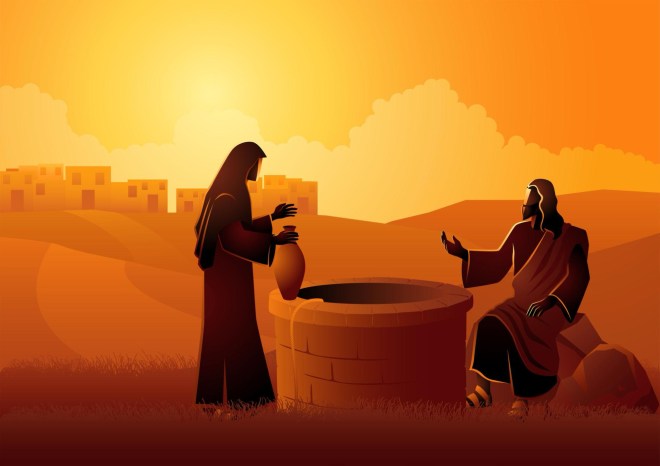
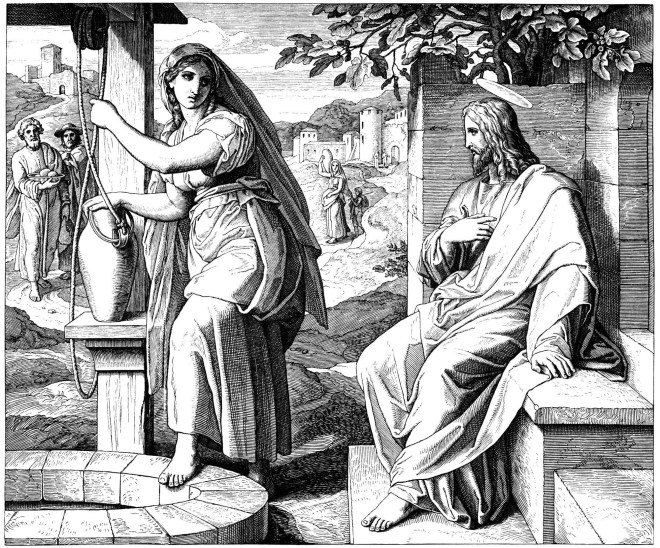
Give me words to ask for what I need. Give me courage to be vulnerable with people who have earned my trust. Show me who is waiting. Open my eyes to the helpers You have placed in my path. In the name of the One who sent disciples in pairs, who washed feet, who asked a woman at a well for water. Amen.
Movement Six: The Silence That Swallows
You internalize stress until it becomes heavy silence. The weight you carry does not always show. It settles deeper, into the bones, into the places where words cannot reach.
David knew this silence. He wrote about it in Psalm 32:3, 5: ‘When I kept silent, my bones wasted away through my groaning all day long. Then I acknowledged my sin to you and did not cover up my iniquity… and you forgave the guilt of my sin.’ But notice what broke the silence: acknowledgment. When David stopped keeping silent and started speaking—even speaking what was hard to say—forgiveness came. Release came.
Your silence may feel like strength. But silence that swallows is not strength. It is slow suffocation. The stress that is not spoken finds other ways to express itself: in the body, in the relationships, in the soul that gradually goes numb.
A PRAYER FOR VOICE:
God who speaks and creates, I confess that I have kept silent when I should have spoken. I have hidden my stress, my fear, my struggle behind a closed mouth and a calm face.
Give me words, Lord. Even inadequate words. Even stumbling words. Let me break the silence before it breaks me. Send me listeners who will not fix or dismiss. In the name of the Word made flesh, who speaks life into death. Amen.
Movement Seven: The Compassion That Has Run Dry
Compassion fatigue comes from long seasons of serving. You have given and given and given, and there are days when the well feels dry. This is not failure. This is physiology. This is the soul’s honest accounting of what has been spent without adequate replenishment.
Notice what the Shepherd does in Psalm 23:2-3: ‘He makes me lie down in green pastures, he leads me beside quiet waters, he restores my soul.’ The Shepherd MAKES the sheep lie down. The sheep does not restore itself. The sheep is restored by the Shepherd who knows that even the most devoted follower needs rest, needs quiet, needs restoration.
Compassion fatigue is not a sign that you have failed in love. It is a sign that you have loved so much, so long, so faithfully that you have depleted your reserves. The solution is not to try harder. The solution is to let the Shepherd lead you to quiet waters until the soul is restored.
A PRAYER FOR RESTORATION:
Good Shepherd, I am tired. Not the tiredness that a night’s sleep will fix, but the tiredness that has settled into my soul. I have cared for so many, for so long, that caring itself has become heavy.
Make me lie down, Lord. Lead me to quiet waters. Restore my soul. Let me receive before I give again. Let me be filled before I pour out. Refill what has been emptied. Restore what has been depleted. And in time, when the soul is restored, lead me back to service—not from depletion, but from overflow. In the name of the Shepherd who laid down His life for the sheep—and who rose again. Amen.
A Benediction for the Journey
May the God of peace, who through the blood of the eternal covenant brought back from the dead our Lord Jesus, that great Shepherd of the sheep, equip you with everything good for doing his will, and may he work in us what is pleasing to him, through Jesus Christ, to whom be glory for ever and ever. (Hebrews 13:20-21)
The journey does not end here. This prayer journey is not a destination but a beginning—a doorway into conversations with God that will continue for the rest of your life.
The challenges you have named are real. They will not disappear because you have prayed about them. But something shifts when we bring our struggles into the light. Something changes when we stop hiding our weaknesses and start offering them to God as the raw material of grace.
You are not a man who is “good” or “bad.” You are a man who is human—capable, flawed, hopeful, tired, resilient, and still becoming who you are meant to be. And in the hands of Jesus, even the difficult traits can be reshaped into strength. The parts that feel heavy today may become the very places where light breaks through tomorrow.
May the God of peace equip you with everything good. May He work in you what is pleasing to Him. May the weight you carry become lighter—not because you have set it all down, but because you have learned to carry it differently, and because you have let others carry it with you.
Go in peace. The Shepherd goes with you.
For John,
Still Becoming
Still Held
Appendices
Appendix A: Timeline of John Edwin Hargrove (1958–2025)
January 24, 1958 — Born in Kirbyville, Texas
1958–1964 — Early childhood in Buna; raised on 44 acres; deep exposure to family land and farming
1964–1965 — First grade, Buna schools (Mrs. Iris Pope)
1965–1970 — Elementary school years; school integration (1965); Hawaiian trip; summers on Neches River
1970–1971 — Seventh grade; Grand Canyon hike
1972 — Entered Buna High School
1973 — Earned Eagle Scout rank at age 13; 51 merit badges; Bronze Palms; Mile Swim
1973–1976 — High school years; strong academic performance (A’s and B’s, ranked 10th in class)
1975 — Met Leisa Smith during high school
1976 — Graduated from Buna High School
1976–1981 — Pre-engineering studies and electrical engineering degree at Lamar University
1978 — Began student engineering role at Gulf States Utilities (GSU)
March 7, 1980 — Married Leisa D. Smith
1981 — Graduated BSEE from Lamar University; began full-time engineering career
Mid-1980s — Licensed as Professional Engineer in Texas
April 1984 — Son Joshua Blake Hargrove born
1984–1993 — Career growth at GSU; sporadic church attendance; financial success
1993 — Left GSU as Entergy merger approached
1993–1995 — Consulting engineer at Lockard & White, Houston
1995 — Founded New Signals Engineering Corporation; initial headquarters in Conroe, then Buna
1996 — Designed fiber ring for City of College Station; began 25-year relationship with Sam Houston EC
1995–2000 — Financial success; increasing internal dissatisfaction; minimal spiritual engagement
October 2000 — Attended Walk to Emmaus #51; experienced spiritual awakening
Late 2000 — Began disciplined Bible study and prayer
2001 — Certified Lay Speaker, UMC Texas Conference; became Youth Director at Buna FUMC
November 30, 2001 — Movie night: Behind Enemy Lines with sons
December 1, 2001 — Movie night: Spy Game with Joshua at Taste of China
June 22, 2002 — Joshua died in automobile accident
2002–2005 — Served as Youth Directors at Buna FUMC with Leisa; led home Bible study for youth
2003 — Led Beaumont District Summer Camp (high school group)
2003–present — Served in leadership roles for Emmaus Walks and Chrysalis Flights
2005 — Licensed Minister of the Gospel, World Ministry Fellowship
2006 — Certified Faith-Based Counselor (IIFBC, Beaumont)
2006–2014 — Continued New Signals Engineering; worked with utilities, municipalities, oil & gas
2013 — Father Robert Hargrove died at age 85
2015 — Joined Sam Houston Electric Cooperative as Engineer II
2015–2018 — Led AMI deployment (72,000 meters); re-architected WAN
2019 — Became Chief Technology Officer, East Texas Electric Cooperative
2020 — Launched rural WISP in response to COVID-19 connectivity crisis
2020–2022 — Built WISP from scratch; reached ~725 customers, ~$55,000/month revenue
2023 — Returned to Lockard & White; became COO, Evergreen Technology Solutions
2023–2025 — Led broadband, VOIP, public safety, and community infrastructure projects
2023–2025 — President (past), Buna Chamber of Commerce
February 2023 — Co-founded Buna Regional Economic Development LLC
December 2022 — Joined board of Buna Public Library
Late 2023/Early 2024 — Started Medicare and Social Security; continued full-time work
January 24, 2025 — Age 67; still active in engineering, mentoring, writing, ministry, and community service
Appendix B: Essential Facts About John Edwin Hargrove
PERSONAL INFORMATION
Full Name: John Edwin Hargrove
Date of Birth: January 24, 1958
Place of Birth: Kirbyville, Jasper County, Texas
Current Age: 67
FAMILY
Parents: Robert Edwin Hargrove (d. 2013); Lavee Richbourg Hargrove
Spouse: Leisa D. Smith (married March 7, 1980)
Child: Joshua Blake Hargrove (April 1984 – June 22, 2002)
Primary Residence: 786 FM 253 Rd, Buna, TX
EDUCATION
Bachelor of Science in Electrical Engineering (BSEE)
Lamar University, 1981
PROFESSIONAL LICENSURE
Professional Engineer, State of Texas (licensed mid-1980s)
Life Member, IEEE
Honor Societies: Eta Kappa Nu, Tau Beta Pi
SPIRITUAL
Christened United Methodist (birth to age 20; sporadic until age 42; lay positions 1980–2005)
Certified Lay Speaker, UMC Texas Conference (2001)
Licensed Minister of the Gospel, World Ministry Fellowship (2005)
Certified Faith-Based Counselor, International Institute of Faith-Based Counseling, Beaumont (2006)
Non-denominational faith studies and ministry (2005–present)
PROFESSIONAL EXPERIENCE
Gulf States Utilities (1978–1993) — 15 years; telecommunications engineering
Lockard & White, Houston (1993–1995) — Major infrastructure projects
New Signals Engineering Corporation (founded 1995; operated 1995–2014)
Sam Houston Electric Cooperative (2015–2018) — Engineer II; AMI deployment lead
East Texas Electric Cooperative (2019) — Chief Technology Officer
Rural Wireless ISP (WISP) (2020–2022) — Founded and built from scratch
Lockard & White (2023–present) — Senior Telecommunications Engineer
Evergreen Technology Solutions (2023–present) — Chief Operating Officer
COMMUNITY LEADERSHIP
President, Buna Chamber of Commerce (past, 2023–2025)
Co-founder, Buna Regional Economic Development LLC (Feb 2023)
Board Member, Buna Public Library (Dec 2022–present)
Youth Director, Buna FUMC (2002–2005, with spouse Leisa)
Lay Speaker and Bible study leader (2001–present)
Emmaus and Chrysalis retreat leader (2003–present)
ANCESTRAL HERITAGE
Direct ancestral heritage traces through English colonial families (Virginia, Carolinas, Georgia),
French Huguenot refugees (Richbourg/Richebourg line), Scots-Irish pioneers, and early Texas settlers.
Connects to documented medieval British gentry and royal lines. Approximately 1,465 documented
ancestors spanning 12+ centuries.
Appendix C: A Final Reflection
Standing at the threshold of the later chapters of life, I am able to see the arc of the story more clearly than I could while living it. The achievements, the failures, the losses, the grace—they form a pattern that makes sense now in a way it did not before.
I am the forty-third generation of a line that began when kings wore simple crowns and the world was harder and older. I carry in my blood the faith of Huguenots who crossed an ocean rather than abandon their convictions. I inherit the stubborn determination of pioneers who built communities in swamps and forests and deserts. I am shaped by teachers and mentors who believed in me when I did not believe in myself. I am marked by the love of a wife who chose me and has stood beside me for forty-five years. I am haunted—in the most beautiful way—by the memory of a son whose eighteen years taught me what matters most.
If there is a lesson that ties it all together, it is this: ordinary faithfulness is more powerful than we know. The quiet work of showing up, of serving, of building things that last, of choosing people over systems, of learning to receive as well as give—these things are not glamorous. They do not make headlines. But they change lives. They build communities. They endure.
I do not know what comes next. But I know Whose hands hold the future. And I know that grace is real, that redemption is always possible, and that the story is never finished as long as we are still becoming.
To anyone reading this: May you know that you are not alone in your struggle. May you learn earlier than I did that asking for help honors both the giver and the receiver. May you understand that your worth was settled long ago, not by your achievements but by the One who made you and calls you beloved. And may you discover, as I am finally learning, that the weight we carry becomes lighter when we learn to carry it together, and that grace is available for every step of the journey.
Still becoming. Still held. Still learning.
This is the life of John Edwin Hargrove.













 John Hargrove Seeking Truth and Reality