
THE INNER COST OF A DISORDERED LIFE

Reflections on Galatians 5:19–21

When Paul lists “the acts of the flesh” in Galatians 5:19–21, he is not merely identifying behaviors that are morally wrong. He is describing a way of life that slowly hollows a person out from the inside. These patterns carry a spiritual, emotional, and mental cost far deeper than most people recognize when they first step onto that path.

Beneath every action in Paul’s list lies a consequence—a reshaping of the heart, the mind, and the soul. What begins as a choice eventually becomes a condition. What begins as a moment of indulgence becomes a direction of life.

This passage is not simply about what someone does; it is about who someone is becoming.

Spiritual Consequences: Losing the Center

Photo by cottonbro studio on Pexels.com

To live in the patterns Paul describes is to experience progressive spiritual disorientation. The more the soul indulges in impurity, idolatry, or self-exalting behaviors, the more muted God’s voice becomes. Over time, the heart loses sensitivity to conviction and clarity fades. Prayer becomes difficult. Scripture becomes distant. Worship feels hollow.

This is not because God withdraws His presence but because the person slowly shifts allegiance to other centers of meaning—pleasure, control, power, approval. These become false sources of security and identity. They displace trust in God. They reshape desire. They form new habits of the soul.

Paul warns soberly that those who persist in these patterns without repentance place their inheritance at risk. They are not walking toward God but away from Him.

Emotional Consequences: A Life Without Peace

Emotionally, these behaviors produce volatility. Jealousy fuels suspicion. Rage becomes a familiar visitor. Hatred and discord turn relationships into battlegrounds. Rivalries and factions leave a person emotionally depleted and relationally isolated.

The promise of pleasure or validation at the beginning is always a short-lived illusion. What initially feels empowering eventually becomes enslaving. Pleasure fades; emptiness grows. People in this condition often oscillate between guilt, shame, restlessness, and bursts of self-justification that cannot quiet the deeper ache.

Relationships suffer most. A life marked by division inevitably becomes a life marked by loneliness.

Mental Consequences: Fragmented Thinking and Inner Exhaustion

The mental impact is equally profound. Persistent sin reshapes the mind. Rationalization becomes second nature. Self-deception becomes a survival mechanism. Identity fragments as the person tries to reconcile who they wish to be with who they have become.

Addiction—whether to substances, sexual pursuits, approval, or conflict—forms mental loops that are difficult to break. Anxiety rises because secrets must be protected and consequences must be managed. Peace of mind becomes nearly unreachable.

The capacity to love and trust diminishes. The world begins to be interpreted through the lens of rivalry, comparison, and fear rather than faith, humility, and hope.

The Larger Point: A Life Coming Apart

Paul’s list is not simply about immoral behavior; it is a diagnostic of a life slowly coming undone. When the acts of the flesh define someone’s lifestyle, the result is never freedom. It is fragmentation—spiritual, emotional, and mental.

These patterns lead a person away from God, away from others, and ultimately away from themselves.

And yet, Paul does not end here. This passage prepares the way for the next one: the fruit of the Spirit. The bleakness of verses 19–21 makes the beauty of verses 22–23 unmistakable. It is the contrast between a life disintegrating under the weight of self and a life flourishing under the reign of the Spirit.

The warning is real. But so is the invitation.

We can choose which garden grows within us.

My Life Experiences That Reflect the Impacts of Galatians 5:19–21

Spiritual Experiences

Seasons of Spiritual Disconnection

Many people go through periods where spiritual clarity becomes clouded—times when God feels distant, prayer feels heavy, and inner conviction grows quiet. This reflects how persistent disorder or pressure can dull the soul’s sensitivity.

Living Through Morally Unstable Environments

Experiencing communities or systems marked by conflict, manipulation, or impurity exposes the soul to the same disorientation Paul describes. When truth is compromised, trust erodes, and spiritual foundations weaken, people feel internally displaced.

Moments of Drifting from Faith Practices

Long-term fatigue, unresolved conflicts, or competing priorities can draw a person away from spiritual disciplines. Over time, they feel untethered, as though they have lost the center of their spiritual life.

Emotional Experiences

Persistent Emotional Exhaustion

Carrying heavy responsibilities or unresolved wounds often creates emotional volatility—frustration, discouragement, resentment, or numbness. This mirrors the instability that grows in a life shaped by discord or chaos.

Cycles of Relational Strain

Many have endured environments where tension, division, jealousy, or mistrust dominate. Such settings leave emotional scars, break down confidence, and diminish the capacity for healthy relationships.

Inner Burdens of Shame or Anxiety

When life patterns conflict with one’s values, or when failures accumulate, shame can settle in. Anxiety grows as one tries to hide weakness, manage consequences, or hold everything together. Emotional peace becomes elusive.

Mental Experiences

Mental Fragmentation Under Pressure

When demands multiply—professional, relational, personal—the mind becomes divided. Focus weakens. Clear thinking becomes difficult. The person feels pulled in competing directions, mirroring the internal chaos Paul associates with the acts of the flesh.

Identity Confusion and Self-Doubt

Repeated conflict, failure, or moral tension can fracture a person’s self-understanding. They question who they are, what they believe, and whether they can change. This mental instability reflects the deeper spiritual disorder Paul warns about.

Chronic Stress and Loss of Mental Rest

Persistent conflict, moral compromise, or emotional overload trains the mind toward vigilance. Restful thoughts become rare. Peace seems out of reach. The mind becomes conditioned to survive rather than flourish.

Summary

These generalized experiences illustrate how Paul’s warning in Galatians 5 describes more than outward behavior. He is diagnosing the internal consequences of a disordered life:

spiritually disoriented, emotionally unstable, mentally fragmented.

Many people, at some point, walk through seasons that reflect these realities—not because they seek them, but because the pressures, temptations, and conflicts of life pull them into patterns that drain the soul.

The passage stands as a reminder that the inner life matters deeply, and that only the Spirit restores what disorder breaks apart.


December 5, 1927 – September 6, 2013

🎂 Happy Birthday, Dad

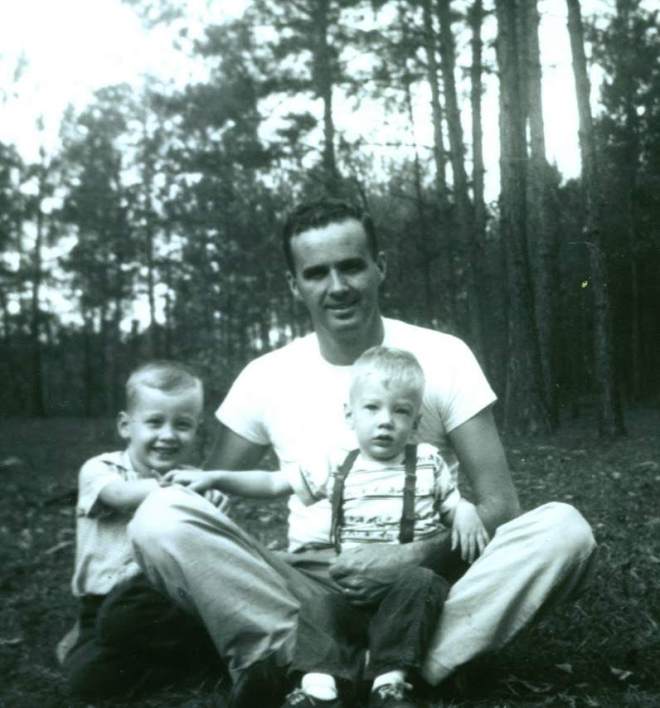
Today we celebrate Robert E. Hargrove—a man who showed us that the greatest gifts aren’t found in stores, but on the banks of the Neches River.

Dad gave us something precious: a love of the outdoors and the simple joys of being together. Camp Hargrove was his classroom, and we were his eager students. We learned patience waiting for the channel cats and blue cats to bite. We felt the thrill when the ops latched onto the trotline bait and swam into view as we pulled the line from the depths. We waded through sandbars, filled minnow jars with bait, seined the shallows, and floated lazy afternoons in inner tubes, letting the river carry us.

We remember the ritual of it all—Dad pumping water from the river, later from the well he drilled with his own hands. The smell of bacon and scrambled eggs sizzling in cast iron. Biscuits that tasted like only the camp did. Coffee brewed strong in that old pot, grounds settling at the bottom, sipped slowly by the campfire as fog drifted across the water at dawn. The soft sounds of the river greeting us awake.

And every Fourth of July, Dad’s fishing became a gift to us all—fish fries for the extended family, gathered together, fed by what his hands and the river had provided.

In those moments—before the day rushed in, surrounded by sons, nephews, and grandchildren—Dad was teaching us how to live. How to slow down. How to appreciate what matters. How to pass love down through generations.

Those riverside mornings and summer days shaped who we became. Dad’s love for nature, his steady presence, his generosity of spirit—these are the catches we keep forever.

Happy Birthday, Dad. We’re still there by the river with you. 🐟🏕️💙

December 5, 1927 – September 6, 2013

ON THIS DAY

8 years ago

Glen Richbourg is feeling blessed with L.v. Hargrove and 2 others. wrote in 2013

September 6, 2013 • ©

Uncle Bob taught me the difference between a blue cat, channel cat and a mud cat. He could scull all the way around Mud Lake and not make a single splash. Made the best camp breakfasts ever and I’ve never had even a Starbucks that could match his river water coffee. Some of the best memories of my life were out in the Neches River bottom being a kid with the Hargrove boys and Uncle Bob. I learned life lessons from him about respecting the land, nature and fellow human beings that l’ve carried my entire life. He also raised the three best men you’ll ever meet. I will forever miss him.

Standing Between Darkness and Light: Reflections at Sixty-Seven

There are moments in life when movies, memories, and years of lived experience weave themselves into a single thread. Looking back from sixty-seven, I can see how the stories that once entertained me now speak with deeper meaning. They shine a quiet light on what I have carried, what I have learned, and who I have become.

Two films from late 2001 come to mind—stories set in the shadows of espionage and conflict, filled with characters wrestling with impossible choices. On the surface, they were thrillers. Beneath the surface, they were studies in darkness, loyalty, and the long, hard road toward redemption. Only now do I see why they left such a mark.

Photo by David McElwee on Pexels.com

Both narratives followed men who lived in the shadows—first as soldiers, then as operatives shaped by ambiguity. Each learned to navigate life with precision, endurance, and a sense of duty that often required more than most people ever see. They carried weight—emotional, moral, and sometimes spiritual. They worked under pressure, made decisions that others would never know about, and shouldered consequences that rarely made headlines.

Yet in the end, their defining moments weren’t the missions they completed or the dangers they survived. Their defining moments were the ones where they chose love over protocol, compassion over convenience, and human life over institutional safety. In those choices, we see how men shaped by darkness still gravitated toward the light.

At sixty-seven, I understand that more deeply than I once did.

Life has a way of testing every belief we have about ourselves. There are seasons when the weight feels unbearable—years of responsibility, the losses that accumulate, the roles we never asked for but stepped into anyway. There are moments when duty seems to conflict with compassion, when institutions fail the people in them, and when the world asks us to harden our hearts just to stay afloat.

But there is another story running underneath all of that. A quieter one.

The older I get, the more convinced I am that light has a way of finding its way into even the darkest corners. Faith becomes less about having every answer and more about trusting that God meets us in the places where our strength wears thin. Love becomes less of a feeling and more of a choice—a decision to stand with people, protect them, guide them, or rescue them when the world turns away.

Redemption, too, looks different with time. It is not a sudden, dramatic reversal. It is slow, steady restoration. It is the grace that holds you together when you have carried too much for too long. It is the courage to step toward the light even after walking through shadows.

When I look back, I see how many moments were shaped by these themes. Times of crisis where clarity finally emerged. Seasons of confusion that eventually revealed deeper purpose. Relationships tested but made stronger by truth. Leadership forged in hard places. And always, the gentle hand of God pulling me back toward the light when the world felt heavy.

Those old movie stories were fiction, but the truths inside them are not. We all stand at the crossroads between darkness and light more often than we admit. We all feel the strain of choices that have no easy answers. And all of us, if we are honest, long for redemption—something that tells us our struggles were not wasted and our sacrifices were not in vain.

At sixty-seven, this is the lesson that rings truest:
the weight we carry does not define us. What defines us is the love we choose, the faith we hold, the light we walk toward, and the redemption that meets us along the way.

#LightInTheDarkness
#FaithInTheJourney
#RedemptionStory
#LessonsAt67
#HopeThatHolds

Dear Heart: A Devotional Reflection Inspired by Sanctus Real

There are songs that entertain us, songs that comfort us, and songs that manage to speak directly into places we rarely acknowledge. Dear Heart by Sanctus Real falls into that last category. It is written not as an anthem or a plea, but as a conversation—a gentle, honest dialogue with the most vulnerable part of our inner life.

Scripture tells us, “Above all else, guard your heart, for everything you do flows from it” (Proverbs 4:23). The writers of Dear Heart seem to understand that truth deeply. They expose the ways our hearts wander, tighten, tremble, and carry burdens they were never designed to hold. They remind us that the heart is easily shaped by fear, disappointment, and old survival instincts. Many of us know that feeling well. We wake up tense. We brace for the next hardship. We fall into worry or self-protection before we even know it. Our hearts drift before we notice they’ve moved.

Yet the beauty of the Christian life is this: God never abandons a wandering heart. He speaks to it, guides it, heals it, and even reshapes it. Ezekiel records God’s promise to give His people “a new heart and a new spirit.” Jesus reinforces this through His ministry of compassion, truth, and restoration. The heart is not a lost cause—it is the place He most wants to dwell.

The song’s turning point is powerful. Instead of letting emotions dictate reality, the singer gently redirects the heart: Come back. Remember who you belong to. You don’t have to carry this alone. That posture—speaking truth to our hearts—is something believers often forget to practice. We tend to let the heart lead. But Scripture teaches us to let God lead the heart.

There is wisdom in pausing long enough to ask ourselves honest questions:

Where have I been overwhelmed?

Where have I chosen fear instead of trust?

Where have I forgotten God’s presence?

When we speak truth to our hearts, we are joining the Holy Spirit in His work of renewal. We are choosing to replace panic with promise. We are letting Scripture rewrite the stories our emotions try to tell us.

Dear Heart ultimately calls us back to the quiet, steady voice of Jesus—the One who guards us, anchors us, and offers rest that can’t be shaken by circumstance. When the heart yields to Him, peace finds its home again.

A Closing Prayer

Father, You know every corner of my heart—its fears, its hopes, its secrets, and its needs. Teach my heart to follow You more than my emotions. Draw me back from the places where I’ve drifted. Tell me again who I am in You. Guard my heart, renew my spirit, and fill me with Your peace. In Jesus’ name, Amen.

Final Thought

Your heart does not have to lead the story.

Let Christ lead your heart, and peace will follow.

Carrying Weight, Seeking Light

Carrying Weight, Seeking Light

Photo by eberhard grossgasteiger on Pexels.com

Over the past several weeks, I’ve noticed a pattern rising in my heart—a mix of heaviness and hope, grief and gratitude, pressure and purpose. The holiday season always magnifies what is present in the soul, and this year is no different. I find myself remembering the people who shaped me, the stories that anchor me, and the losses that still echo in quiet moments.

At the same time, my days are full of responsibilities—engineering projects, community work, pastoral care, business decisions, family needs. I feel the pull from every direction, not because any of it is unworthy, but because all of it matters. Leadership in any form carries an invisible weight. And sometimes that weight presses harder in November and December.

Yet beneath all of this, something steady keeps tugging me forward: hope.

Not the thin kind that ignores reality or paints over pain. But the kind that believes God is present even in the unanswered questions. The kind that remembers that Jesus steps into weary places, not polished ones. The kind that says, “You don’t have to carry this alone.”

As I look back at conversations, projects, and prayers from the last week, I see the same thread weaving through everything: healing. Healing for myself. Healing for others. Healing for the places in our community that feel stretched or wounded. Healing for the dreams that feel fragile but not extinguished.

And the truth is, hope and healing aren’t found by escaping life—they grow right in the middle of it.

Every memory that stings reminds me there was love.
Every responsibility that feels heavy reminds me there is purpose.
Every moment of fatigue reminds me I need grace beyond myself.

And grace keeps showing up.

So I’m choosing to keep walking—one step at a time, one day at a time—trusting that the God who has carried me this far will carry me further still. My prayer is simple:

“Lord, meet me here. Make something good out of the weight I’m carrying. Let Your light break through.”

Because even in the heaviness, hope is rising.
#HopeInTheJourney
#JesusHeals
#GraceInRealLife

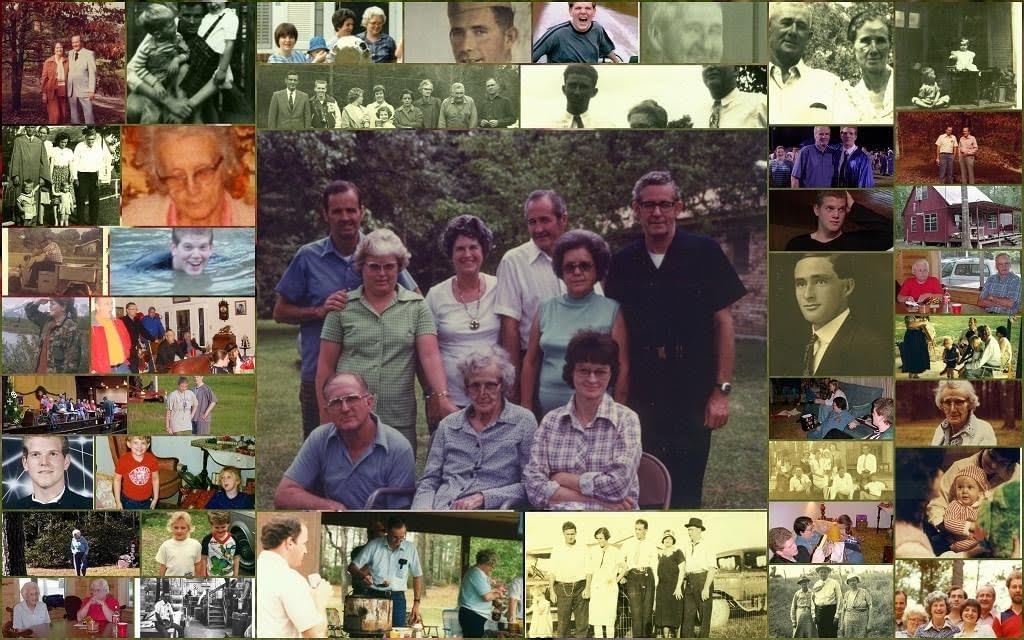
Celebrating the Life and Legacy of Robert Edwin Hargrove December 5 2025

Celebrating the Life and Legacy of  Robert Edwin Hargrove December 5 2025
Born December 5, 1927 — Buna, Texas
Passed September 6, 2013 — Buna, Texas

Today we honor the birthday of Robert Edwin Hargrove, a man whose steady presence shaped his family, strengthened his community, and left an enduring mark on Buna and Jasper County. His life reflected the deep values of rural East Texas—work, faith, service, and integrity—lived not in speeches but in actions repeated faithfully over decades.

Born in Buna in 1927, Robert was raised during the Great Depression and the wartime years that demanded resilience from every family. Those early years shaped the patient, steady character he carried throughout his life. 

During his youth and early adulthood, Robert contributed to the early development of Buna’s public services. He worked for Tom Barker during high school and for some time afterward, assisting in the operation of the town’s diesel generator system—the very system that provided electricity to Buna before JNEC extended power lines into the region. In those years, the town relied on local operators to keep the generators running, manage outages, and ensure that families and businesses had dependable light and power.

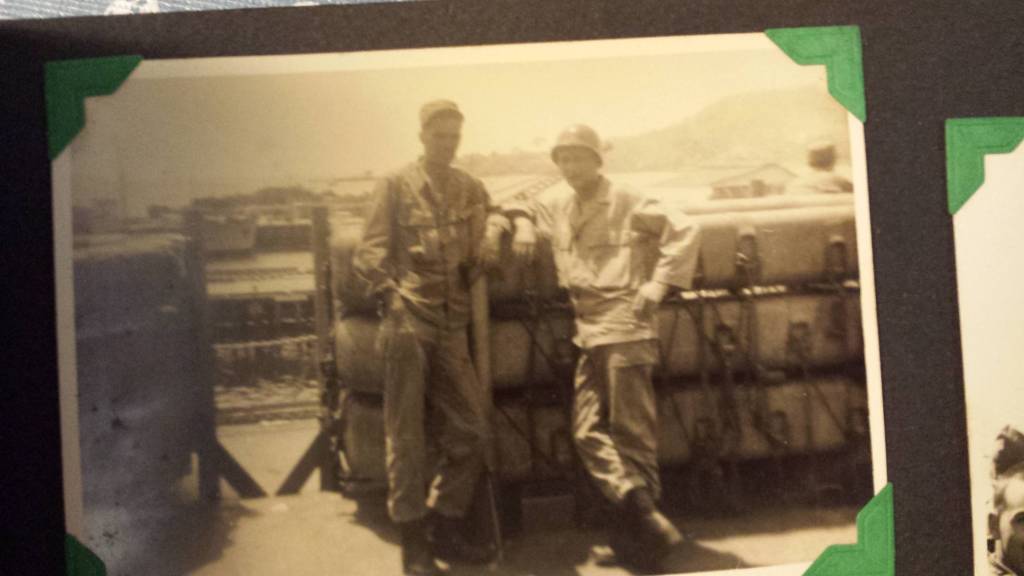
As a young man he answered his country’s call, serving in the United States Army with the 45th Infantry Division, 120th Combat Engineers, deploying to Korea and performing dangerous, essential work with quiet resolve.

Returning home, he built a life marked by responsibility and devotion. In 1957 he married Lavee Richbourg, and together they raised three sons—John, Hardy , and Wylie—rooting their family in the same East Texas soil that had shaped them.

Robert gave deeply to his community.
He served for many years on the Buna Independent School District Board, including time as Board President. In that role he helped guide the school system through seasons of growth and change, always insisting that the next generation deserved stability, opportunity, and excellence. His leadership was steady, principled, and grounded in a genuine concern for the children and families of Buna.

He was also a man of faith, active throughout his life in the Buna Methodist Church. He served wherever needed—trustee, Sunday school teacher, volunteer, and quiet presence. His faith was lived rather than announced, expressed in service, humility, and a deep sense of responsibility to his church family.

His legacy reflects the best of the long Hargrove lineage—strength without pride, faith without show, perseverance without complaint. The generations who preceded him crossed oceans, endured war and hardship, and built communities from the ground up. Robert carried those same qualities into the modern era, living a life of steadiness that inspired those around him.

Today, as we mark his birthday, we remember a man whose example continues to guide his family and community.
A man who did what needed to be done.
A man who could be counted on.
A man whose life mattered quietly, deeply, and permanently.

Happy 97th Birthday in Heaven, Robert E. Hargrove.
Your legacy continues in the lives you shaped and the community you served.

Robert Edwin Hargrove
A Life Across Nine Decades

1920s — Beginnings (1927–1929)
Robert was born in the closing years of the Roaring Twenties, at a time when Buna was a small, timber-country settlement with limited infrastructure. His earliest days would have been marked by family, church, and the rhythms of rural life. His parents, James and Mary, were part of the first generation to root the Hargrove and Denman lines firmly in Buna’s early community life.

1930s — Childhood in the Depression
His childhood unfolded during the Great Depression, a decade when rural East Texas survived through hard work, neighbor cooperation, and self-reliance. Robert likely helped with farm chores, garden plots, cutting wood, and caring for animals. School was a privilege; work was expected. Sunday worship at the local Methodist church anchored weekly life.
Electricity was limited, and his later work on the town diesel generator suggests an early familiarity with mechanical systems, power equipment, and practical problem-solving.

1940s — Youth, Work, and Early Responsibility
In his teenage years Robert attended Buna schools and worked for Tom Barker, helping operate Buna’s diesel generator plant, which produced electricity for the town before JNEC lines arrived. This work required reliability, long hours, and technical skill well beyond his age.
These were the war years. Though too young for World War II, Robert grew up in a community shaped by rationing, local enlistments, and the wartime economy. He learned responsibility early—supporting his family, working multiple jobs, and contributing to the stability of a rural town in a turbulent era.

1950s — Military Service, Marriage, and the Start of Family Life
The Korean War era called him to military duty. In 1951 he entered the U.S. Army and deployed to Korea with the 45th Infantry Division, 120th Combat Engineers, where he served in harsh conditions that demanded discipline, strength, and courage.
After returning home, Robert married Lavee Richbourg in 1957 and began building a home of his own. Late in the decade their first child, John, was born. The 1950s were years of transition—from soldier to husband, from young worker to the steady provider he would become.

1960s — Raising a Family and Deepening Community Roots
The 1960s were defined by family life and community service. With the births of Hardy and Wylie, Robert became the father of three sons. He worked steadily to provide for his growing household, and these years likely saw him balancing demanding work with active involvement in Buna Methodist Church and local community responsibilities.
His Father passed during this decade, leaving him as one of the senior carriers of the Hargrove family’s East Texas legacy.

1970s — Leadership, School Board Service, and Stability
The 1970s were a period of public service. Robert served on the Buna ISD School Board, including time as Board President, helping guide the district during seasons of modernization and growth.
His sons were moving through school, and he focused on ensuring they—and all Buna students—had reliable facilities, stable leadership, and opportunities that earlier generations lacked.
These were steady years, defined by work, church, responsibility, and the steady rhythm of rural life.

1980s — Mentorship, Church Leadership, and Family Milestones
By the 1980s, Robert was respected as a seasoned leader, a trusted church member, and a mentor. At Buna Methodist Church he served as trustee, Sunday school teacher, and a dependable servant in numerous roles.

His Mother passed as the decade started.
He supported his sons as they began their adult lives, careers, and families. He and Lavee became grandparents.
These were years of quiet influence—teaching, advising, helping, and modeling steady character.

1990s — Retirement, Reflection, and Community Continuity
In the 1990s Robert eased into retirement while maintaining deep roots in community and church. He saw the passing of his siblings James (1994) and George (1995), a reminder that he had become part of the family’s senior generation.
He spent more time on the Neches River, on quiet mornings with coffee, and on the small routines that bring meaning after decades of work. His presence remained steady—calm, predictable, and deeply valued.

2000s — The Grandfather Years
The 2000s brought slower days and the joy of watching grandchildren grow. Though older, he remained active in his church and community, continuing the habits of service that marked his life.
These were reflective years—filled with family gatherings, stories from earlier days, and the quiet pride of seeing the next generation stand on foundations he helped lay.

2010s — Closing Years
Robert entered his final decade still grounded in the same community where he had been born. He lived to see Buna change, grow, and become a connected rural hub far beyond the diesel-generator days of his youth.
He passed away in 2013 at the age of 85, leaving behind a legacy of steadiness, humility, faith, and service—a legacy carried forward by his children, grandchildren, and the community he helped shape.

What I Would Tell You Now


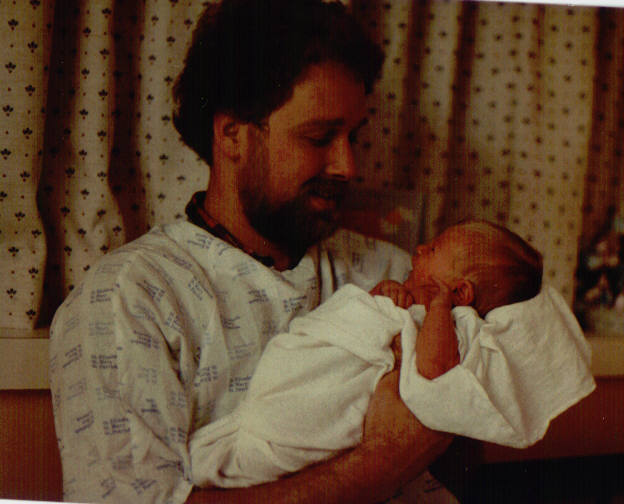
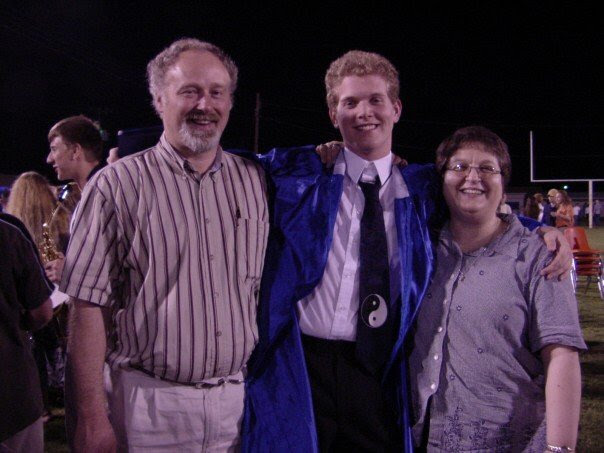
For Joshua Blake Hargrove from John Hagrove his dad June 2025
1984–2002

My son,

If I could sit across from you today—twenty-three years after you left this world—I would begin with the words that still rise unbidden in my heart: I miss you. Every day. Not with the same sharp ache as before, but with a quiet, steady presence that stays with me like breath. You are never far from my thoughts, never absent from my soul.

I would tell you honestly: a piece of me went quiet the day you died—and another part went angry. I wasn’t just broken. I was furious. Angry at the unfairness, the helplessness, the fact that the world kept spinning without you in it. I didn’t know how to carry the weight of that kind of grief, so I buried it. I buried the part of me that laughed freely, dreamed boldly, and felt things too deeply.

And in its place, I went to work. I built things. I solved problems. I became dependable and productive. But underneath it all, I was still just a father who had lost his son. The music stopped. The prayers faded. I kept going because I didn’t know how to stop—but I also didn’t know how to live fully anymore.

If I could tell you anything now, it would be this: Your death didn’t end me—but it did remake me. And over time, with grace and patience, something inside me began to stir again.

I would tell you that God didn’t abandon me. He held me through it all, though I didn’t always recognize His presence. And in the years that followed, a few key people—some family, some unexpected friends—entered my life and helped awaken parts of me I thought were gone forever. None of them replaced you. They couldn’t. But somehow, through their kindness, gentleness, and love, I began to feel again. I began to believe that I could be fully alive, even while still carrying your absence. I hold those relationships with reverence. They brought back to life the part of me that knows how to love without fear.

I would tell you about your mama. She’s still the strongest woman I’ve ever known. Her grief was quiet, but it ran deep. We’ve grown older together, and we still speak your name. Sometimes in words, sometimes in silence. You are still part of our home, our hearts, our story.

I’d tell you about the little ones in our family—your cousins’ children, great-nieces and nephews you never got to meet. I watch them play, laugh, stumble and grow, and I see glimpses of you. Their lives are full of light, and I imagine the kind of uncle you would have been—funny, kind, full of mischief and wisdom. Your absence in those moments is a presence all its own.

I’d tell you that I’ve come to believe in resurrection—not just of bodies, but of broken hearts, of joy, of purpose. I’ve come to believe that the deepest love isn’t erased by death. It changes form, but it remains. And I carry you as part of that resurrection. You are part of what brought me back to life.

Most of all, I would tell you that you are still my son. Nothing—not time, not distance, not death—can ever take that from us. You made me a father. You taught me the kind of love that doesn’t fade. And though I never got to watch you grow old, you’ve shaped the man I’ve become more than anyone else ever could.

If I could hold your face in my hands one more time, I would say what I still say in the silence of prayer:

You are my boy. I love you. And I will carry you until the day I see you again.

With all I am,
Dad

And I would tell you—humbly—that someone came into my life many years later who helped awaken something that had gone dormant inside me. That I could still feel. Maybe I was allowed to be fully alive again. I hold that chapter of my life with reverence. As strange and sacred as it was, it brought something back to me I thought was lost forever: the part of me that knows how to love without fear.

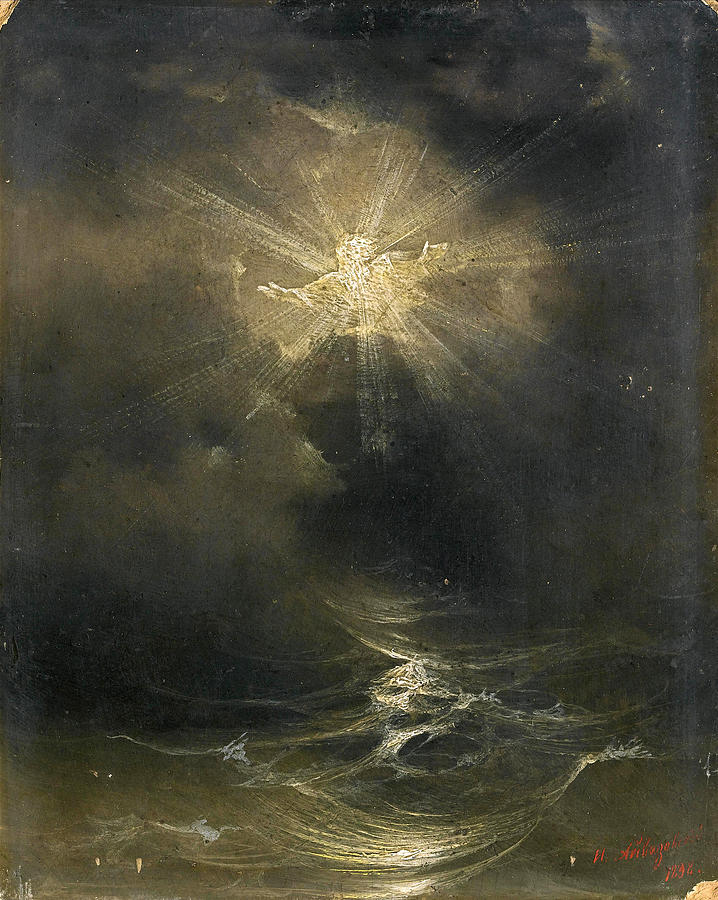
Awake to the Coming Light — An Advent 1 Reflection

Date: First Sunday of Advent, Year A
Primary Scripture: Romans 13:12


The season of Advent does not begin with celebration—it begins with longing. It opens not in bright light but in the quiet, honest darkness of real life, where people carry grief, illness, recovery, fatigue, and the complex history of family and community. Advent speaks precisely into these places and invites us to lift our eyes toward the hope of Christ.

Our congregation reflects this reality well. Some among us are grieving recent losses. Some are navigating serious health challenges. Others are walking faithfully through recovery from addiction. Many carry responsibilities that feel heavy. And many more carry the deep history and legacy of this church’s founding families. Into this very real mixture of pain, perseverance, and hope, Advent speaks clearly: The Light is coming.


A Vision That Pulls Us Forward — Isaiah 2:1–5

In the first reading of the season, Isaiah gives God’s people a vision large enough to carry them through dark times. He describes a future where nations stream to the mountain of the Lord and where weapons of violence become tools of growth. It is a world transformed by the peace of God.

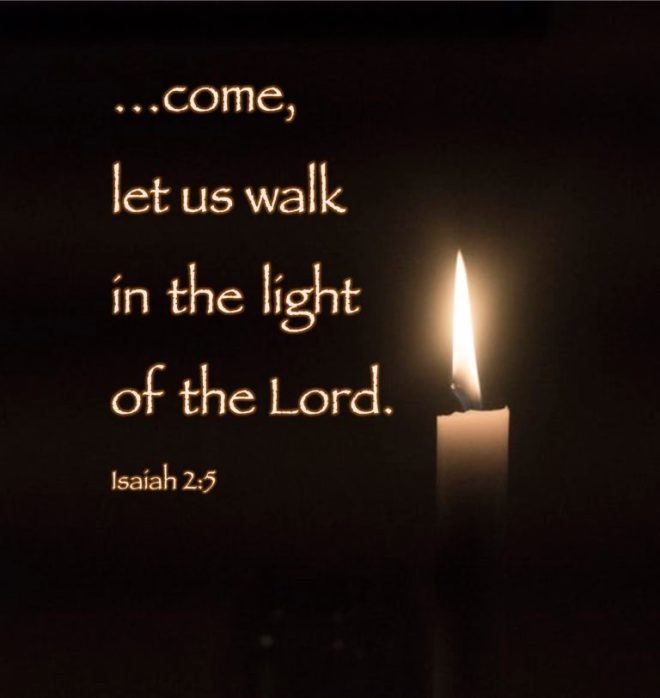
Isaiah’s call—“Come, let us walk in the light of the Lord”—is not an invitation to pretend everything is fine. It is a summons to move, one step at a time, toward the future God promises. Advent is never passive. It is an active walk toward hope.


Finding Gladness and Peace in Worship — Psalm 122

Psalm 122 echoes Isaiah’s vision but turns it into a song of gathering. The psalmist rejoices to be with God’s people and prays for the peace of Jerusalem.

In our setting, that becomes a prayer for the peace of this congregation, for the families who carry decades of shared memories, for those who minister to the sick and grieving, for the children and teens growing in faith, and for every person who walks through our doors longing for God’s presence. Advent reminds us that worship is not simply a routine—it is a pilgrimage toward peace.


Wake Up—The Dawn Is Near — Romans 13:11–14

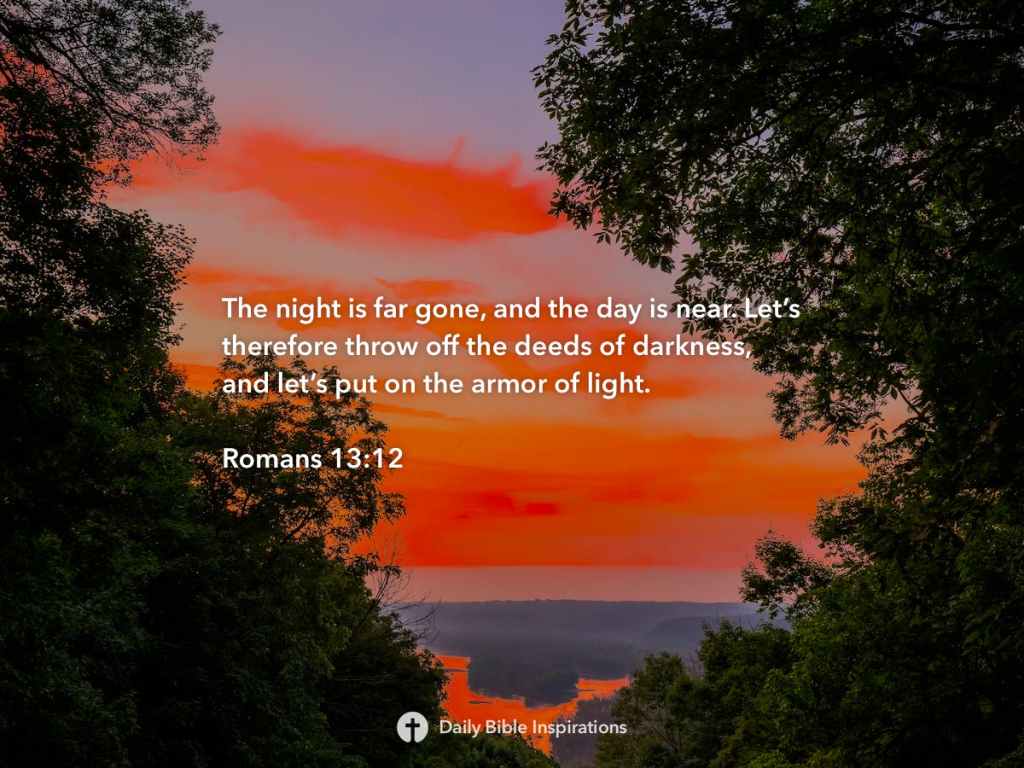
Paul speaks to believers who are tired, discouraged, or tempted to drift spiritually. His message is strikingly direct: “It is now the moment for you to wake from sleep… the day is at hand.”

Rural communities know what it is to rise before dawn. You stand on the porch, look out at the dark pasture, and trust that light is coming even when you cannot yet see it. Paul’s message resonates here: no matter how long the night has felt, God assures us that dawn is drawing near.

To “put on the armor of light” is to live with purpose and clarity:

  • Choosing steps toward healing and recovery.
  • Letting go of habits that harm us.
  • Forgiving old wounds.
  • Encouraging those who struggle.
  • Living in a way that reflects hope rather than despair.

Advent calls us to spiritual wakefulness.


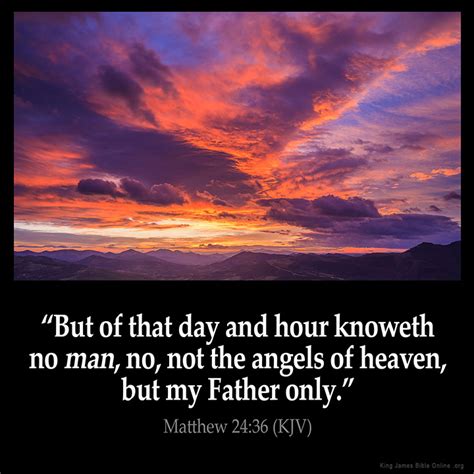
Living Ready for Christ — Matthew 24:36–44

Jesus reminds His disciples that His coming will be unexpected, and His point is not to create fear but to cultivate readiness. In the days of Noah, people were absorbed in everyday routines—good routines, ordinary routines—but they became spiritually numb.

That can happen to all of us. Work, illness, grief, family burdens, schedules, and stress can slowly lull us to sleep. Jesus urges us to stay awake and live ready—not anxious, but alert; not afraid, but purposeful.

Readiness means shaping daily life around the reality that Christ truly matters.


Advent for Real People

Taken together, these readings paint a powerful picture of Advent:

  • Isaiah shows us God’s promised future.
  • The Psalm invites us into community and peace.
  • Romans calls us to awaken and put on the armor of light.
  • Jesus urges us to live ready for His return.

And all of this meets us in our real world, not in an ideal one.


Images for the Journey

Several images help us understand Advent more clearly:

  • The lantern on the fence post: God often gives just enough light for the next step, not the entire path.
  • The barn after the storm: God promises a world where the storm ends and rebuilding begins.
  • The empty chair: Advent does not erase grief, but it promises that sorrow is not the end of the story.

These images remind us that Christ comes to honest places, hurting places, rural places, and to ordinary people walking through extraordinary challenges.


Walking in the Light This Season

As Advent begins, consider these simple practices:

  1. Take one small step toward God each day.
  2. Make peace where God opens the door.
  3. Care for those who are sick or grieving.
  4. Live as though Christ could be welcomed at any moment.
  5. Enter worship with expectation and hope.

Advent is not about perfection. It is about preparation.


Conclusion: The Light Is Coming

Advent tells the truth: our world feels dark in places. But it also proclaims the greater truth: the dawn is approaching.
The night is far gone.
The day is at hand.
And the Light of the world is drawing near.

May this season awaken our hearts to hope, strengthen our walk of faith, and prepare us to welcome Christ with joy.

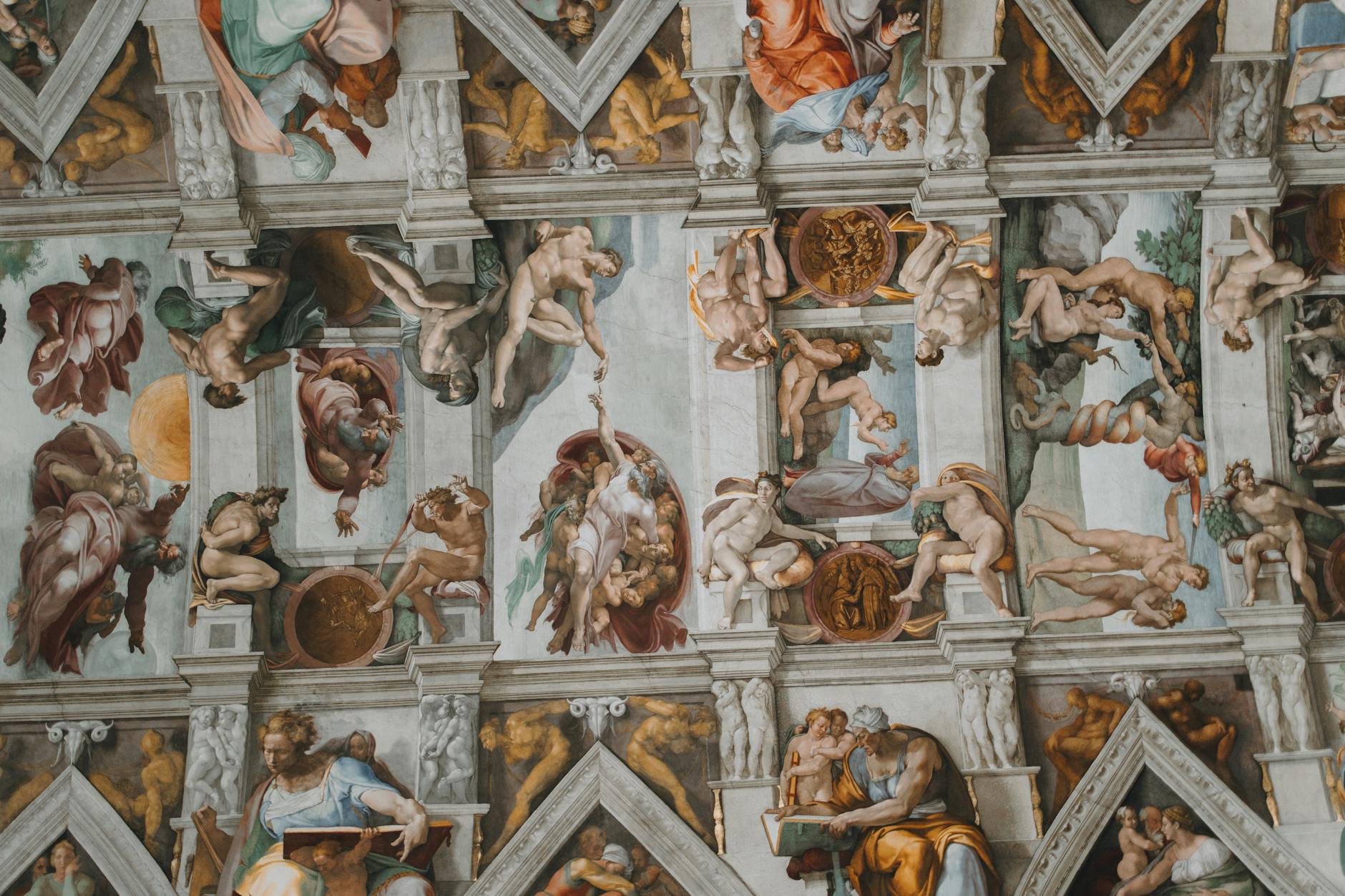
Adam and Eve: A Biography

Photo by Karol D on Pexels.com

With Reflections from Various Theologies, Early Church Fathers, and Zola Levitt Studies

Names & Meaning
Adam means “earth” or “ground,” referencing his formation from the dust.
Eve means “life” or “living,” reflecting her role as “the mother of all who live” (Genesis 3:20).

Photo by Alina Rossoshanska on Pexels.com

Scriptural Origin
Genesis 1–5 tells the story of Adam and Eve: the first humans, created in God’s image (Genesis 1:27), given the sacred task of stewardship over creation (Genesis 2:15), and placed in the Garden of Eden to live in communion with God and one another.

God formed Adam from dust and breathed into him the breath of life (Genesis 2:7). Eve was created from Adam’s side (Genesis 2:22), indicating not inferiority, but equality and partnership. Their union represented the first human covenant and family.

The Fall and the First Gospel
Tempted by the serpent, Eve ate from the tree of the knowledge of good and evil and gave the fruit to Adam, who ate knowingly (Genesis 3:6). Their eyes were opened, shame entered the world, and they hid from God. Yet, even in judgment, God sought them out (Genesis 3:9) and promised redemption through the “seed of the woman” (Genesis 3:15)—the first gospel.

Christian Perspectives
John Wesley, in Sermon 44: Original Sin, wrote that Adam’s disobedience “infected the very root of our nature,” but that God’s grace “goes before” to awaken us. He insisted on shared guilt and shared grace. Adam was passive; Eve was deceived. Both sinned and both were recipients of prevenient grace.

For Wesley, the story of Adam and Eve is not about assigning blame, but about recognizing the universal condition of sin and the universal availability of redemption. Their expulsion from Eden was not the end—it marked the beginning of God’s saving work.

Early Church Fathers

Irenaeus of Lyons (2nd century)

Irenaeus taught that Adam’s sin introduced corruption into humanity, not merely by imitation but by a real distortion of human nature.
He emphasized that humanity fell “in Adam” because Adam was the head of the human race.
Simultaneously, Irenaeus introduced the earliest full articulation of prevenient grace through the theme of “recapitulation”: God moves first to heal what Adam broke, and Christ retraces Adam’s steps to restore human freedom.
Eve is portrayed as genuinely deceived; Adam knowingly chose disobedience.

Tertullian (late 2nd–early 3rd century)

Tertullian argued that Adam transmitted guilt and corruption biologically (“seminal identity”).
He stressed the seriousness of the Fall and saw all humans as implicated in Adam’s act.
He also affirmed that divine grace initiates repentance—though not systematically developed.

Origen (3rd century)

Origen taught that humanity inherited a condition of moral weakness because of Adam, even if he avoided later Western language of “imputed guilt.”
He explicitly states that God’s grace must “precede and assist” the soul’s turning to God.
Eve’s deception and Adam’s disobedience are both treated as components of the Fall, but Adam carries the headship responsibility.

Athanasius (4th century)

In On the Incarnation, Athanasius depicts Adam’s sin as plunging humanity into corruption and death.
He presents grace as wholly prior—God must act first to restore the human will, because the human will has lost its capacity to return to God unaided.

Augustine of Hippo (late 4th–early 5th century)

Augustine is the most decisive early voice on inherited guilt and divine initiative:

  • Adam’s sin caused a real corruption of human nature inherited by all.
  • Humans are morally unable to initiate faith or love of God.
  • Grace must come first—gratia praeveniens—to awaken the will.
    Augustine also distinguished between Eve’s deception and Adam’s knowing rebellion (1 Tim. 2:14), but he held both fully responsible.

John Cassian (5th century)

Cassian moderated Augustine slightly: humanity is wounded by Adam, unable to save itself, but still retains some capacity to cooperate when grace first stirs the soul.
He preserved the idea that grace initiates, but emphasized synergy.

Medieval Christian Writers

Anselm of Canterbury (11th century)

In Cur Deus Homo, Anselm presents original sin as the loss of original righteousness and the inheritance of guilt.
Anselm is firmly Augustinian: the will cannot return to God without God beginning the work.

Thomas Aquinas (13th century)

Aquinas taught that Adam’s sin deprived humanity of supernatural grace and disordered human nature.
Original sin is both guilt and the “privation of original justice.”
He emphasizes that actual grace precedes every movement of the will—a clear affirmation of prevenient grace.
He distinguishes the modes of Adam and Eve’s sin: Eve fell by deception; Adam by consent; both equally contributed to humanity’s corruption.

Bonaventure (13th century)

Bonaventure strongly emphasized that grace is always prior to human action and that no one can reach God unless God first inclines the heart.

Reformation-Era Voices (16th century)

Martin Luther

Luther held that original sin corrupts the entire human nature and that no part of the will remained untainted.
He described fallen humanity as spiritually “dead.”
Grace—specifically the work of the Holy Spirit—must awaken faith; it always precedes.
He kept the distinction of Eve’s deception and Adam’s headship responsibility.

John Calvin

Calvin articulated that Adam’s disobedience “contaminated” human nature.
Original sin is both guilt and corruption.
The will is so bound that it cannot even desire God unless God first acts—praeveniens gratia is implicit in his doctrine of regeneration.
Both Adam and Eve sinned, but Adam’s role as covenant head made his act determinative.

Seventeenth and Eighteenth-Century Writers (Wesley’s Context)

Jacobus Arminius (1560–1609)

Arminius, whom Wesley later followed, taught that original sin leaves humanity totally unable to turn to God without grace.
But he insisted on a universal, enabling grace restorative to free will—“prevenient grace”—given through the Spirit on the basis of Christ’s atonement.
Adam and Eve jointly sinned; Adam, as representative head, transmitted the fallen condition.

The Arminian Remonstrants (17th century)

They reinforced:

  • corrupted human nature inherited from Adam;
  • salvation’s first movement from God;
  • universal enabling grace restoring the ability to believe.

Richard Baxter (1615–1691)

Baxter accepted inherited corruption and affirmed that God must first stir the will.
He drew heavily from Augustine but maintained human response as genuinely free, once grace awakens it.

Jeremy Taylor (1613–1667)

Taylor taught that humanity inherits the consequences of Adam’s sin (mortality and corruption), and that divine grace precedes repentance.
He leaned toward the Eastern emphasis: human nature is wounded, not annihilated.

Jonathan Edwards (1703–1758)

A contemporary of Wesley with a sharply different view.
Edwards asserted:

  • Adam’s sin causes a “moral inability” for humans to choose good.
  • Depravity is total and affects affections, not just intellect.
  • Only sovereign, effectual grace can awaken the soul.
    He did not affirm universal prevenient grace; he affirmed monergistic regeneration.

John Fletcher (1729–1785)

Wesley’s closest theological ally.
Fletcher defended prevenient grace as universally extended to all humanity and described it as the restorative presence of the Spirit enabling repentance, faith, and obedience.
He affirmed inherited corruption but rejected imputed guilt in the strict Calvinist sense.

Across the Centuries

Wesley’s position in Sermon 44 stands in a long Christian tradition with several consistent themes:

  1. Humanity inherits a real corruption from Adam.
    From Irenaeus to Aquinas to Arminius, this is nearly universal.
  2. Adam and Eve share responsibility, though in different modes.
    The distinction (Eve deceived, Adam knowingly choosing) is common, but shared sin and shared consequences remain.
  3. Grace always initiates.
    Augustine, Aquinas, Cassian, Luther, Calvin, Arminius, and Wesley all affirm that God must move first—though they differ on whether this grace is universal (Arminius, Wesley) or selective (Calvin, Edwards).
  4. Wesley fits into the synergistic, grace-first tradition rooted in the East, moderated Augustine, and developed through Arminian theology.
    His emphasis on universal prevenient grace is deeply indebted to both the early fathers (Irenaeus, Cassian) and Reformation-era Arminians.
  • Terms

Life After Eden
Outside the garden, Adam and Eve lived long lives. They worked the land, bore children, and experienced grief, especially after Cain murdered Abel. Yet in the birth of Seth (Genesis 4:25), hope continued. Through Seth’s line came Noah, Abraham, and eventually Christ (Luke 3:38).

The apocryphal Life of Adam and Eve imagines their post-Eden life as one of repentance, fasting, and longing for restoration—resonant with early Christian and Wesleyan themes of grace-empowered transformation.

Zola Levitt Connections
In A Christian Love Story, Zola Levitt draws on Jewish wedding imagery to show how God’s covenant with humanity began in Eden and will culminate in the marriage supper of the Lamb. Adam and Eve’s creation and separation mirror the model of bride and groom—God forming a people for Himself.

In The Seven Feasts of Israel, the Eden narrative foreshadows the structure of God’s redemptive calendar. The Passover feast points to the need for blood to cover sin—a concept introduced when God clothed Adam and Eve with garments of skin (Genesis 3:21).

Theological Legacy
Adam and Eve are not merely figures of failure. They are the beginning of both the problem and the promise. Their lives teach us:

  • That sin breaks relationships—with God, others, and creation.
  • That shame does not stop God from pursuing us.
  • That redemption is planned, promised, and possible from the very beginning.

Application for Today
Here and beyond, their story reminds us that every broken moment is also an invitation to return to God. The church becomes a new garden—where grace grows, forgiveness is cultivated, and the promise of full restoration blooms.

Glossary of Terms – Adam and Eve Study

Biblical and Theological Terms

Image of God (Imago Dei)
The unique identity given to humans reflects God’s nature—reason, moral agency, relational capacity (Genesis 1:27).

  • Hebrew: tselem (צֶלֶם) – “image,” “likeness,” “representation.”

Adam
The first human, created from the earth. Represents both an individual and humanity as a whole.

  • Hebrew: adam (אָדָם) – “man,” “human,” “mankind”; related to adamah (אֲדָמָה) meaning “ground” or “earth”

Eve
The first woman, formed from Adam’s side. Mother of all the living (Genesis 3:20).

  • Hebrew: chavah (חַוָּה) – “life,” “living one”

Fall
The event in Genesis 3 where Adam and Eve disobeyed God, introducing sin and death into the world.

  • No direct Greek or Hebrew word; theological term based on the narrative of disobedience and expulsion.

Original Sin
The doctrine that all human beings inherit a corrupted nature from Adam.

  • Referenced in Romans 5:12–19.
  • Greek (NT): hamartia (ἁμαρτία) – “sin,” “missing the mark”

Prevenient Grace
A Wesleyan term referring to the grace of God that goes before any human action, enabling repentance and faith.

Justifying Grace
The grace by which God forgives sin and declares a person righteous through faith in Christ.

Covenant
A solemn agreement initiated by God. In Genesis, God’s covenant with Adam (implicit) and Noah (explicit) shows divine commitment to humanity.

  • Hebrew: berit (בְּרִית) – “covenant,” “agreement”

Redemption
God’s action to buy back or restore what was lost. The promise in Genesis 3:15 is the first sign of redemption.

  • Hebrew: ga’al (גָּאַל) – “to redeem,” “to act as kinsman-redeemer”
  • Greek: apolutrōsis (ἀπολύτρωσις) – “release,” “ransom,” “liberation”

Protoevangelium
Latin term meaning “first gospel,” referring to Genesis 3:15—the promise that the seed of the woman would crush the serpent.


Terms from Church History and Wesleyan Thought

Second Adam
A title for Christ, used in 1 Corinthians 15:45, to describe His role in reversing the sin of the first Adam.

  • Greek: eschatos Adam (ἔσχατος Ἀδάμ) – “last Adam”

Typology
A theological method where Old Testament persons or events (types) foreshadow New Testament fulfillment (antitypes). Eve–Mary and Adam–Christ are classic examples.

Sanctification
The process by which a believer is made holy. In Wesleyan thought, this includes entire sanctification, a heart perfected in love.

Exile
The condition of being separated from one’s rightful place. Adam and Eve’s removal from Eden foreshadows Israel’s exile and humanity’s spiritual separation from God.