Isaiah 6:1 — “In the year that King Uzziah died, I saw also the Lord.”
There are moments in our spiritual lives when God allows the “heroes” — the people or things we’ve leaned on — to fall away. It may be a mentor, a parent, a pastor, a dream, or even a sense of security that once held our world together. When that pillar collapses, we are faced with a question: will we crumble with it, or will we look up and see the Lord?
Isaiah’s vision came in a year of loss. King Uzziah had been a symbol of stability and strength for Judah, yet when he died, the prophet’s eyes were opened to a greater throne — one that never shakes, one that reigns forever. The passing of what we depended on often becomes the doorway to a deeper revelation of who God is.
Our walk with God is often marked by this rhythm: the passing of the hero, the unveiling of the Holy. God removes our props so we can finally stand before Him alone. When He strips away what substitutes for His presence, He isn’t being cruel — He’s being kind. He’s preparing us to see Him clearly.
Our ability to see God depends on the condition of our character. Until we are purified — until our self-reliance, pride, and prejudice are burned away — our eyes remain dim. New birth opens spiritual sight; suffering sharpens it. The external events that break us and the internal work that cleanses us are both part of God’s surgery to reveal Himself.
So the question echoes: when loss comes, what do I see?
Do I see emptiness and despair, or do I see the Lord high and lifted up?
Faith matures when God becomes our first, our second, and our third — when every other voice fades and only His remains. “In all the world there is none but Thee, my God, there is none but Thee.”
Keep paying the price of vision. Stay faithful when the familiar falls. Let God see that you are willing to live up to what He has shown you — even when it costs. For in every “year that Uzziah dies,” there waits a throne still occupied, and a King still holy.
Reflection Prayer
Lord, when You remove what I’ve relied on, help me not to faint but to look up. Purify my heart until I can see You clearly. Teach me to find You not after the loss is healed, but in the very moment of it. May my cry be not “I gave up,” but “I saw the Lord.” Amen
Before the Gospel of John ever opens with those majestic words—”In the beginning was the Word”—the Old Testament has been quietly preparing us for this revelation. Long before John identifies Jesus as the living Word of God, Scripture reveals a God who speaks and, by speaking, creates. A God whose very voice has power to bring light from darkness, order from chaos, and life from death.
This week, we begin our journey toward the Gospel of John by stepping back into the foundational stories of Genesis, Exodus, and Proverbs. We’re not just learning background information—we’re encountering the God who has always expressed Himself through His Word. Whether you’re stepping back into faith after years of wandering, or finding God for the first time in recovery, this truth is for you: the same God who spoke the universe into existence wants to speak new life into your story.
The question this week invites us to consider is simple but profound: What happens when God speaks?
The Pattern of Creation: God Said
Genesis 1:1-3, 26-27 — The Word That Creates
“In the beginning God created the heavens and the earth. Now the earth was formless and empty, darkness was over the surface of the deep, and the Spirit of God was hovering over the waters. And God said, ‘Let there be light,’ and there was light.” (Genesis 1:1-3)
Notice the pattern that unfolds throughout Genesis 1: “God said… and it was so.” Ten times in the first chapter, God speaks, and reality responds. Light appears. Waters divide. Vegetation springs forth. Living creatures fill the earth and sky. The universe doesn’t evolve randomly or emerge by accident—it comes into being through the creative speech of God.
This is more than a historical claim about origins. It’s a revelation about the nature of God’s Word. When God speaks, His Word carries the power to accomplish what it declares. His Word doesn’t just describe reality—it creates reality. This is the God we’re preparing to meet in John’s Gospel: the God whose Word is not merely information but transformation.
The creation account reaches its climax in Genesis 1:26-27 with the creation of humanity:
“Then God said, ‘Let us make mankind in our image, in our likeness…’ So God created mankind in his own image, in the image of God he created them; male and female he created them.”
Unlike the rest of creation, which God speaks into existence with simple commands, humanity receives a different kind of attention. We are created “in God’s image”—bearing the mark of the God who speaks, thinks, creates, and loves. You were made to reflect the character of the One who spoke you into being. No matter how broken or chaotic your life may feel right now, this truth remains: you bear the image of the God who creates with His Word.
The World Before the Word Speaks
Before God speaks in Genesis 1:3, the earth is described as “formless and empty”—tohu va-bohu in Hebrew, a phrase that evokes utter chaos and meaninglessness. Darkness covers everything. Nothing has shape or purpose. It’s a picture of complete disorder.
Many of us know what it feels like to live in that formless void. Addiction leaves life shapeless—days blur together, relationships unravel, and purpose evaporates. Trauma creates darkness where hope used to be. Broken promises, lost years, burned bridges—these experiences leave us feeling as formless and empty as the world before God’s first creative word.
But here’s the hope embedded in Genesis 1: chaos is not where the story ends. God doesn’t leave the world formless. The Spirit of God hovers over the darkness, and then—”God said, ‘Let there be light.'” The pattern is set: God speaks, and chaos gives way to order. Darkness gives way to light. Death gives way to life.
The God Who Reveals Himself: I AM WHO I AM
Exodus 3:13-15 — The Divine Name
“Moses said to God, ‘Suppose I go to the Israelites and say to them, “The God of your fathers has sent me to you,” and they ask me, “What is his name?” Then what shall I tell them?’ God said to Moses, ‘I AM WHO I AM. This is what you are to say to the Israelites: “I AM has sent me to you.”‘” (Exodus 3:13-14)
Centuries after creation, God reveals Himself to Moses from a burning bush in the wilderness. Moses, a fugitive with a broken past, encounters the holy presence of God on what seems like ordinary ground. God calls Moses by name and commissions him to lead Israel out of slavery.
When Moses asks for God’s name, God’s answer is stunning in its simplicity: “I AM WHO I AM.” This name—YHWH in Hebrew, often rendered as Yahweh or Jehovah—is not a label but a declaration of eternal, self-sufficient existence. God is not dependent on anything outside Himself. He simply is. He is the source of all life, all power, all reality.
But the name “I AM” is also deeply personal. God doesn’t say, “I am everything” or “I am an abstract force.” He says, “I AM”—present tense, active, engaged. This God exists not in some distant heaven but right here, right now, speaking to a broken man in the wilderness. God is present with Moses in his failure, in his hiding, in his fear. And God is present with you in yours.
The burning bush becomes holy ground not because of the location but because God is present there. In the same way, wherever you are right now—no matter how ordinary or painful—becomes holy ground when God speaks to you. He sees you. He knows your name. He is the great I AM, and He is here.
From Chaos to Calling
Moses’ story mirrors the pattern of Genesis 1. Before God speaks, Moses’ life is formless—forty years of aimless wandering in the desert after fleeing Egypt in shame. He’s hiding from his past, tending someone else’s sheep, convinced his life has no purpose.
But then God speaks. And when God speaks, everything changes. The voice from the burning bush doesn’t just give Moses information—it gives him identity, purpose, and mission. “I AM” calls Moses by name and commissions him to bring freedom to an enslaved people. The same man who fled Egypt in disgrace will return as God’s chosen deliverer.
This is what God’s Word does: it transforms chaos into calling. It takes the broken pieces of your past and speaks purpose over them. The years you thought were wasted become preparation for the mission God has for you. Nothing is too far gone for God’s creative Word to redeem.
Wisdom Beside God in Creation
Proverbs 8:22-31 — The Word Was There
“The LORD brought me forth as the first of his works, before his deeds of old; I was formed long ages ago, at the very beginning, when the world came to be… I was there when he set the heavens in place… when he marked out the foundations of the earth. Then I was constantly at his side. I was filled with delight day after day, rejoicing always in his presence.” (Proverbs 8:22-23, 27, 29-30)
In Proverbs 8, Wisdom speaks and describes herself as being with God before the creation of the world. She was there “at the very beginning,” present as God shaped the cosmos, set the heavens in place, and marked out the boundaries of earth and sea. Wisdom wasn’t a distant observer—she was “constantly at his side,” delighting in God’s creative work.
Early Christians reading this passage saw something profound: a foreshadowing of Jesus Christ, the Word made flesh. John 1 will declare, “In the beginning was the Word, and the Word was with God, and the Word was God. He was with God in the beginning. Through him all things were made.” The Wisdom beside God in creation is the same Word who will take on human flesh and dwell among us.
This matters because it means the Word is not a late addition to God’s plan. Jesus is not Plan B. From before the foundation of the world, the Word was with God, active in creation, rejoicing in relationship with the Father. The God who will meet us personally in John’s Gospel is the same God who has been speaking and creating from the very beginning.
When we read Proverbs 8 through the lens of John 1, we see that creation itself was an act of divine communication. The Word wasn’t just present at creation—the Word was the means of creation. Everything that exists came into being through this eternal Word. And now, the same Word that spoke galaxies into existence wants to speak life into your chaos.
What This Means for Us: New Beginnings
So what does all this ancient history have to do with your life today? Everything.
If God spoke creation into existence, He can speak new creation into your life. If His Word brought light into the primordial darkness, His Word can bring light into your darkest moments. If God called Moses by name in the wilderness and gave him purpose, God can call you by name and restore meaning to your story.
The same power that hovered over the formless void hovers over your life right now. The same God who said “Let there be light” wants to speak words of hope, healing, and transformation over every broken place. You are not too far gone. Your past is not beyond redemption. The chaos you’re experiencing is not where your story ends—it’s where God’s creative Word begins.
This week, as we prepare to enter John’s Gospel, we’re learning to listen for God’s voice. We’re training our hearts to recognize that when God speaks, things happen. Dead places come to life. Disordered lives find purpose. Darkness gives way to light. This is the God we’re preparing to meet—not a distant deity, but the great I AM who speaks and creates, who calls us by name and invites us into new life.
Discussion Questions
Genesis 1 — God Speaks Creation Into Chaos
What do you notice about the pattern of creation when God says, “Let there be”?
What kind of world existed before God spoke? How does that picture of “formless and void” resemble seasons of your own life?
Why do you think God chose to bring light first? What does “Let there be light” mean for a person coming out of darkness or addiction?
What does this chapter teach about God’s power to create order where there was confusion?
If God’s Word can shape creation, what might He want to create or restore in you right now?
Exodus 3 — God Calls From the Burning Bush
What stands out to you about Moses’ situation before God speaks to him?
Why does God choose to speak through something as ordinary as a bush in the desert? What does that tell us about how He meets people?
When God says, “I AM WHO I AM,” what does that reveal about His presence and power?
How do you think Moses felt hearing God call his name? How might God be calling yours today?
What part of your past or your pain might God be turning into holy ground if you’ll stop and listen?
Personal Connection
Where have you seen God speak peace or purpose into a broken place in your life?
What would it mean for you to believe that no one—including you—is too far gone for God to start over?
How can we let God’s Word name us again—beloved, not broken—in our daily choices and relationships this week?
This Week’s Practice: Listening for God’s Voice
Throughout this week, practice listening for God’s voice in the ordinary moments of your day. Here are some ways to cultivate awareness of God’s creative Word at work:
Begin each morning by reading John 1:1-5 slowly. Let these verses remind you that the God who spoke creation into being wants to speak to you today.
Journal one simple prayer each day: “God, where do I need new creation? What word of life do You want to speak into my chaos?”
Notice moments of light breaking through darkness. When you experience unexpected hope, peace, or clarity, pause and thank God for speaking into your situation.
Share your story. Tell one person this week about a time when God spoke something new into your life—a time when His Word brought order to chaos or hope to despair.
Memorize one verse: “In the beginning was the Word, and the Word was with God, and the Word was God” (John 1:1).
Looking Ahead: Preparing for the Light
This week lays the foundation for everything we’ll discover in John’s Gospel. We’ve seen that God speaks and creates. We’ve heard God reveal Himself as the great I AM. We’ve glimpsed the Wisdom who was with God from the beginning—the Word who will soon become flesh and dwell among us.
Next week, we’ll move from creation to promise as we explore how Israel longed for God’s light to break into their darkness. We’ll see how the prophets pointed forward to a coming Messiah who would be the Light of the World. And we’ll discover that the same light Isaiah promised is the light John proclaims: “The light shines in the darkness, and the darkness has not overcome it.”
Until then, live in this truth: The God who spoke “Let there be light” over the primordial darkness is speaking over your life today. Listen for His voice. Trust His Word. Watch for the new creation He is bringing forth in you.
• • •
“For God, who said, ‘Let light shine out of darkness,’ made his light shine in our hearts to give us the light of the knowledge of God’s glory displayed in the face of Christ.” (2 Corinthians 4:6)
Major Occurrences of God Speaking in the Old Testament
Statistical Overview
According to detailed biblical analysis, God spoke directly to people approximately 476 times throughout the Old Testament’s 929 chapters—averaging about one chapter in every two containing direct divine communication.
Key Patterns and Phrases
The most common expression used is “The Lord said to…” which appears 223 times in the ESV translation.
Major Recipients of God’s Direct Speech
The Patriarchs: God spoke to Noah 5 times over 950 years, Abraham 8 times over 175 years, Isaac 2 times (with 1 time to Rebekah) over 180 years, and Jacob 7 times during his lifetime.
Moses and the Exodus:
Genesis 1-3: God speaks during creation and to Adam and Eve
Exodus 3: The burning bush encounter
Exodus 20: The Ten Commandments
Throughout Exodus-Deuteronomy: Giving the Law and instructions
The Prophets:
Samuel, Nathan, Elijah, Elisha
Isaiah, Jeremiah, Ezekiel, Daniel
The twelve minor prophets
Others: Noah and his sons (Genesis 6:13-21, 7:1-4, 8:15-17, 9:1-17), along with various judges, kings, and leaders throughout Israel’s history.
Methods God Used to Speak
The Old Testament records God speaking through various means including:
A burning bush (Exodus 3)
A thick cloud (Exodus 19:9)
A gentle whisper (1 Kings 19:12)
Direct audible voice
Dreams and visions
Angels as messengers
Prophetic inspiration
Through creation itself
Writing on the wall (Daniel 5)
Important Theological Note
After the fall of Adam and Eve, God’s pattern shifted from regular fellowship to communicating with specific individuals at specific times for specific purposes, always involving His redemptive plan rather than personal issues.
Longest Address
Of all the recorded instances where God spoke directly to people in the Old Testament, His longest address was to Job.
This extensive pattern of divine communication established the foundation for understanding Jesus as “the Word made flesh” in John’s Gospel—the ultimate and final way God has chosen to speak to humanity.
(inspired by Pete Townshend’s song and the words of Jesus in Matthew 22:37–40)
When Pete Townshend sang, “Let my love open the door to your heart,” he probably wasn’t trying to preach a sermon—but he touched on something deeply spiritual. Love is the master key. Jesus said it even more plainly:
“‘Love the Lord your God with all your heart and with all your soul and with all your mind.’
This is the first and greatest commandment.
And the second is like it: ‘Love your neighbor as yourself.’
All the Law and the Prophets hang on these two commandments.”
—Matthew 22:37–40
Everything—every rule, every teaching, every act of faith—hinges on love. When Jesus boiled down the whole of Scripture into two laws, He was saying that religion isn’t about gates and guards; it’s about open doors.
When we love God fully, our hearts unlock to His presence. When we love others sincerely, their hearts begin to open too. The power that heals, restores, and reconciles begins to flow freely—because love always finds a way through.
So maybe today the invitation is simple:
Let His love open the door.
Let it unlock your fears, your grudges, your guarded places.
Let it swing wide the door of compassion for your neighbor, the one who’s hard to love, the one who doesn’t love you back.
The song says, “When people keep repeating that you’ll never fall in love… let my love open the door.”
Jesus says the same, only deeper. His love isn’t just romantic—it’s redemptive. It doesn’t just make life better; it makes life new.
Read: Revelation 14:12, Revelation 17–18, Revelation 21:1–5, Daniel 7:27
Main Idea
Prophecy calls believers to faithful endurance and living hope. Every Babel and Babylon eventually collapses under its own arrogance, but the Lamb reigns forever. Christ’s kingdom restores the full dignity of humanity and gathers His people into the New Jerusalem — the city of light, truth, and unbroken communion with God.
Word picture: Picture the skyline of human achievement — towers of glass and steel glowing in the night — and then imagine them trembling under a rising dawn. Every empire of pride fades in that light. But in the distance, a new city appears — its foundations gleaming like crystal, its gates open, its center radiant with the glory of God. That is the hope we are called to live for.
“Here is the perseverance of the saints, those who keep the commandments of God and the faith of Jesus.” (Revelation 14:12)
Expanded reflection: Endurance is not passive survival; it’s active faithfulness under weight. The Greek word hypomonē means to “stand fast,” like a tree that bends but does not break in the storm.
Word picture: Imagine a vineyard battered by wind — the branches sway, the leaves tear, but the roots hold deep in unseen soil. That is endurance. Culture may demand compromise — bend your ethics, silence your faith, trade conviction for comfort — but the believer’s roots go deeper than the storm.
Modern connection: Today’s pressures come wrapped in convenience: social approval, digital echo chambers, and the constant pull to conform. Endurance is the quiet miracle of remaining loyal to Christ when compromise would be easier and cheaper.
Key Thought 2: Humanity Restored in the Image of God
“Then the sovereignty, power and greatness of all the kingdoms under heaven will be handed over to the holy people of the Most High.” (Daniel 7:27)
Expanded reflection: Human identity is not an achievement; it is a gift. We are not self-created beings but image-bearers of a divine Maker. The modern temptation — from Eden to Neuralink — is to redefine humanity through enhancement or autonomy. Yet Scripture insists that true greatness is not in what we make, but in whom we reflect.
Word picture: Think of a mirror lying cracked in the dust. Technology tries to glue the shards together with data and design, but only the touch of the Creator can restore the reflection. Every redeemed life is a mirror lifted from the dust and turned back toward the light of Christ.
Modern connection: In an age obsessed with optimization, believers proclaim a counter-message: your worth was never in your capability, but in your calling. Humanity’s dignity is restored not by innovation, but by incarnation — God dwelling with us, remaking what sin has fractured.
Key Thought 3: Babylon Falls — The System of Pride and Exploitation
“Fallen, fallen is Babylon the great!” (Revelation 18:2)
Expanded reflection: Babylon is more than an ancient city; it is a spiritual pattern that repeats through history. Wherever wealth, power, and pleasure become ultimate, Babylon rises again. It builds towers of pride and systems of exploitation, dressing corruption in gold and music. But every Babylon, no matter how dazzling, is doomed to collapse.
Word picture: Picture a city of neon and noise, streets glittering with commerce, its citizens drunk on comfort and control. Then the lights flicker, the music stops, and smoke rises where towers once stood. Babylon’s brilliance was only a reflection of borrowed light — and when the true light comes, imitation cannot stand.
Modern connection: Babylon’s spirit still lives in global systems that trade human worth for profit and pleasure. Its modern temples are corporate skyscrapers, its prophets are algorithms promising fulfillment, its priests are influencers preaching self-worship. Revelation unmasks them: “Your merchants were the great men of the earth, but by your sorcery all nations were deceived.” (Rev. 18:23)
“Then I saw a new heaven and a new earth… and I heard a loud voice from the throne saying, ‘Behold, the dwelling place of God is with man.’” (Revelation 21:1–3)
Expanded reflection: Hope is not escapism; it is clarity of vision — seeing what lasts when the noise of history fades. The New Jerusalem is not an ethereal fantasy; it is the fulfillment of creation’s purpose: God and humanity finally dwelling together without fear, fracture, or shadow.
Word picture: Imagine color returning to a black-and-white world — the gray earth glowing with life again. Every tear wiped away, every scar transfigured into beauty. The river of life flows through the city like liquid light, and the Tree of Life shades every nation. The story that began in a garden ends in a city that is itself a garden — restored order, redeemed community, and radiant presence.
Modern connection: When the world feels anxious, fragile, and transitory, Christian hope anchors us. We don’t wait for escape; we wait for renewal. Hope empowers endurance because it sees the finish line.
Discussion Questions
What forms of pressure or compromise challenge believers today — and where do you feel them most personally?
How does the vision of the New Jerusalem reshape your perspective on progress, technology, or success?
In what ways can the church model endurance, community, and hope in a weary and divided world?
Personal Reflection
What fear or frustration about the future do I need to surrender to Christ’s authority?
Where can I practice courage and faithfulness in small, daily ways — in how I speak, rest, or resist conformity?
Word picture for reflection: Faithfulness is not a spotlight on a stage; it’s a candle in a window. One light, steady in the dark, saying to every passerby: Someone still believes. Someone is still waiting for morning.
Read Revelation 21:1–5 aloud together. Offer this prayer: “Lord Jesus, You reign above every power, every empire, every system. Teach us to live as citizens of Your unshakable kingdom — to endure with peace, to reflect Your image with humility, and to hope with joy until You make all things new.”
Word picture for closure: Close your eyes and imagine that final moment — the old world quiet, the air clear, and the voice of God saying, ‘Behold, I am making all things new.’ That is not a dream; it’s your destiny. Walk toward it with steady joy.
Session 1: Creation and stewardship — technology under God’s rule.
Session 2: Idolatry exposed — discernment and renewed minds.
Session 3: Endurance and hope — the Lamb’s kingdom that cannot fall.
Theological and Methodological Notes
This session (like the full study) reads prophecy canonically—connecting Daniel, Ezekiel, and Revelation through recurring patterns of human pride and divine restoration.
The approach is inductive and Christ-centered. It starts with the text, traces meaning through Scripture, and applies it to modern life.
It assumes the authority and sufficiency of Scripture, Christ’s lordship, and the indwelling Holy Spirit as the true source of wisdom and identity.
A pastoral call to endurance—not escape, but engagement with courage, humility, and hope. The ultimate truth is this: Every human tower will crumble, but the city of God endures forever
Old Testament Foundations: The Unseen Battle Behind History
1. Daniel — Empires and Angels (Daniel 10–12)
Daniel’s visions expose the “spiritual architecture” behind earthly power. In Daniel 10, the angel tells him, “The prince of the kingdom of Persia withstood me twenty-one days… then Michael, one of the chief princes, came to help me.” Behind the political empire of Persia stood spiritual powers resisting God’s purposes. Daniel learns that geopolitical shifts — wars, decrees, alliances — are part of a cosmic conflict between divine and demonic forces.
Key truth: History isn’t random; it’s contested. Every empire is both a political and spiritual entity.
Modern parallel (2019–2025): Global tensions — cyber warfare, ideological conflicts, and the competition between democratic and authoritarian systems — are more than policy battles. They reflect deeper spiritual struggles between truth and deception, freedom and control, human dignity and dehumanization. Just as Daniel saw empires rise under unseen influences, today’s world reveals similar forces: disinformation shaping nations, propaganda idolizing power, and truth being twisted for gain.
2. Ezekiel — Idolatry in the Temple (Ezekiel 8–14)
Ezekiel is transported in spirit to Jerusalem’s temple, where he sees leaders worshiping idols inside God’s house. The people’s politics and economy seemed prosperous, yet spiritually they were collapsing. The idols were visible symbols of invisible allegiance. Behind their public religion was private rebellion.
Key truth: National stability can mask moral decay. When a society enthrones pride, greed, or pleasure in place of God, its collapse begins long before the crisis becomes visible.
Modern parallel: The last five years have seen global cultures—east and west—wrestling with moral confusion. Wealth, media, and technology are worshiped as saviors promising progress, but rising anxiety, loneliness, and division reveal a spiritual vacuum. Like Israel before exile, nations still prosper materially while hollowing out spiritually. The “idols in the temple” today may be screens, ideologies, or systems we depend on more than God.
3. Isaiah — The Fall of Proud Kingdoms (Isaiah 14; 23; 47)
Isaiah’s oracles against Babylon, Tyre, and Assyria reveal the pattern of worldly arrogance: “You said in your heart, ‘I will ascend to heaven… I will make myself like the Most High.’ But you are brought down to Sheol.” Behind these nations stood the spirit of Lucifer — pride that exalts itself above God.
Key truth: Pride is the engine of every empire’s rise and the seed of its fall. When human systems claim ultimate authority, they echo Satan’s original rebellion.
Modern parallel: In recent years, the global race for technological supremacy and the promise of “digital utopia” mirror Babylon’s boast. AI systems that claim to “know everything,” political leaders who declare themselves saviors, and corporations that shape human identity through algorithms all reflect the same spiritual pride. These are not evil inventions in themselves, but they reveal a deeper contest: Who gets to define truth — God or man?
4. Exodus — Pharaoh’s Resistance and God’s Deliverance
The Exodus story reveals that liberation from oppression was not merely a political event; it was a spiritual confrontation between Yahweh and the gods of Egypt. Each plague humiliated a specific Egyptian deity (the Nile god, the sun god Ra, the fertility gods). God demonstrated His supremacy over every idolized power structure.
Key truth: God’s redemption of people always exposes false gods that enslave them.
Modern parallel: Recent years have shown “modern pharaohs” in new forms — systems of exploitation, human trafficking, addiction, and authoritarian control. Every movement for justice or freedom today still carries spiritual undertones: God breaking chains, idols losing their grip, and people awakening to truth. The Exodus pattern continues whenever the oppressed cry out and God confronts oppressive powers.
5. Job — Suffering as Spiritual Contest
Job’s calamities began not with random misfortune but with a heavenly dialogue. His story reveals the cosmic dimensions of personal suffering. Key truth: Even private pain has spiritual context. Faithfulness in adversity becomes a testimony to unseen worlds.
Modern parallel: The global pandemic (2020–2022) exposed more than biological vulnerability; it surfaced spiritual questions about mortality, meaning, and hope. Beneath the physical suffering lay a testing of faith, empathy, and endurance. Humanity was reminded that control is fragile and that life remains sacred and dependent on God’s mercy.
6. 2 Kings 6 — Elisha and the Invisible Army
When the Aramean army surrounded Elisha, his servant panicked until the prophet prayed, “Lord, open his eyes that he may see.” The young man then saw horses and chariots of fire surrounding them. Key truth: What looks like defeat in the visible realm often hides God’s deliverance in the invisible.
Modern parallel: In seasons of global instability — wars, pandemics, social upheaval — God’s protection often operates unseen: medical breakthroughs, peace initiatives, quiet acts of faith and generosity. The media shows chaos; heaven sees redemption unfolding.
Recent Examples of Spiritual Realities Behind Global Events (2019–2025)
1. The AI Revolution and the Battle for Truth Artificial intelligence has transformed communication, creativity, and information. Yet along with innovation comes deception—deepfakes, misinformation, and loss of discernment. This parallels the prophetic warnings of deceptive “images that speak” (Revelation 13). The issue is not technology itself but the spiritual war for truth and trust. Humanity faces again the ancient question: Whose voice will we believe?
2. Global Pandemic and the Idol of Control COVID-19 dismantled the illusion that humanity could manage every threat. Economies halted, fear spread, and nations turned inward. Spiritually, it was a humbling—a reminder that even advanced civilizations are not sovereign. Like Egypt’s plagues, the event revealed our dependence on God and the fragility of man-made security.
3. Political Polarization and the Spirit of Division Worldwide, ideological extremes have divided societies, from the U.S. to Europe to Asia. Behind this polarization is the same spiritual force that fractured Babel: the confusion of language and purpose when God is no longer central. The visible fights over culture, race, or ideology conceal a spiritual crisis—human pride replacing humility before God.
4. Wars and Refugee Movements (Ukraine, Gaza, Sudan, etc.) Conflict is not just geopolitical—it’s moral and spiritual. Innocent blood cries out (Genesis 4:10). War always exposes the clash between human cruelty and divine justice. It forces nations to confront questions of righteousness, mercy, and truth.
5. The Global Mental Health Crisis Rising anxiety, depression, and isolation worldwide reveal more than psychological strain—they are symptoms of spiritual hunger. The human soul, disconnected from meaning and community, becomes restless. Prophets like Jeremiah lamented similar despair when people turned to idols that “cannot satisfy” (Jer. 2:13).
Biblical Wisdom for Interpreting Modern Events
Look beneath the surface. Every worldly event—whether progress or crisis—reveals something about worship and trust. Ask, What does this reveal about humanity’s heart toward God?
Discern spirits, not headlines. Ephesians 6:12 reminds us: “We wrestle not against flesh and blood, but against rulers, authorities, powers of this dark world, and spiritual forces of evil in the heavenly realms.” Faith requires spiritual discernment, not just political or scientific analysis.
Respond with humility and holiness, not fear. When Daniel saw the empires’ rise, he didn’t panic; he prayed and fasted. Ezekiel interceded for the exiles. God’s people are called to steady faith, not reactionary fear.
Hold hope at the center. Behind the turbulence of history, God’s kingdom quietly advances. The same Spirit who moved over Babylon’s ruins and Egypt’s deserts now moves through global upheaval. The Lamb still reigns.
Conclusion
The Old Testament prophets looked at global events and saw spiritual architecture—the pride, idolatry, and divine purpose beneath history’s surface. Today, that pattern continues. Empires rise on data, wealth, and power, yet the same spiritual conflict unfolds: the Creator’s sovereignty versus humanity’s self-exaltation.
But the final word belongs not to technology, governments, or crises—it belongs to the same God who told Daniel, “The Most High rules the kingdom of men.” Behind every headline is a deeper story: God’s mercy pursuing His people and calling the world back to worship Him in spirit and in truth.
1. Remember that God’s mercy is greater than memory.
Romans 8:1 says, “There is therefore now no condemnation for those who are in Christ Jesus.”
Condemnation is not the same as conviction. Conviction calls you back to grace; condemnation chains you to the past. The devil traffics in old evidence. God calls you into a new verdict.
Wisdom means learning to answer the darkness with truth:
“My failures are real, but they have already been nailed to the cross (Colossians 2:14). I am no longer defined by what I did, but by who Christ is.”
2. Understand that temptation does not erase redemption.
Temptation is not proof of failure; it is proof of humanity. Even Jesus was tempted in every way but without sin (Hebrews 4:15). The presence of temptation doesn’t mean the absence of grace. It means the battle is still being fought—and that God’s Spirit is still active within you.Wisdom says: don’t confuse the struggle with defeat. The very fight is evidence that the Spirit has not abandoned you.
3. Bring the past into the light, not the shadows.
Psalm 32 describes the heaviness of hidden guilt: “When I kept silent, my bones wasted away.” But it also shows freedom in confession: “Then I acknowledged my sin to You… and You forgave the guilt of my sin.”
Wisdom doesn’t deny the past; it hands it over to God’s mercy. When regret surfaces, speak it aloud in prayer, confession, or trusted fellowship. Darkness loses power when it’s named under grace.
4. Anchor your identity in adoption, not performance.
Romans 8:15–16 says you have received “the Spirit of adoption by whom we cry, ‘Abba, Father.’”
The wisdom here is to shift from shame’s language—I am what I’ve done—to sonship’s language—I am who God says I am.
Adopted children stumble but are never disowned. Your Father doesn’t love a future, perfected version of you; He loves you now, growing and learning.
5. Recognize the pattern and replace it with presence.
Temptation often follows predictable paths—stress, loneliness, fatigue, boredom. Wisdom notices these rhythms and meets them with presence: Scripture, prayer, worship, conversation, rest.
When the old pattern begins, stop and invite the Spirit into that exact moment: “Lord, this is where I usually fall. Meet me here.” That prayer alone breaks the isolation where temptation thrives.
6. See sanctification as a process, not a single victory.
Paul himself wrote, “The good that I want to do, I do not do” (Romans 7:19). Holiness grows slowly, like fruit, not instantly like a download.
Wisdom accepts progress over perfection. Each act of resistance, each confession, each small obedience is a testimony of grace at work. God is more patient with your growth than you are.
7. Look forward rather than backward.
Philippians 3:13–14: “Forgetting what lies behind and straining toward what is ahead, I press on toward the goal for the prize of the upward call of God in Christ Jesus.”
Paul knew guilt—he had persecuted the church—but he also knew grace. Forgetting here doesn’t mean erasing memory; it means refusing to let the past direct the future.
Wisdom learns to look through regret, not at it, seeing it as the backdrop for God’s mercy.
8. Let hope be the final word.
Romans 8 ends with a chorus of unbreakable hope:
“For I am convinced that neither death nor life, nor angels nor rulers, nor things present nor things to come… will be able to separate us from the love of God in Christ Jesus our Lord.”
If nothing in heaven or earth can separate you from that love, then neither can your past nor your recurring weakness.
Hope is not denial; it’s defiance. It says to darkness: You may visit, but you do not own this room anymore.
9. Practice the disciplines of renewal.
The path out of regret and recurring sin is steady, practical, and sacred.
Begin each day with Romans 8:1 as a declaration. Read a psalm aloud when temptation whispers. Keep short accounts with God—repent quickly, return quickly. Surround yourself with voices of faith, not shame. End each night thanking God for His patience rather than despairing over imperfection.
Summary of Wisdom
Those who are haunted by regret and temptation are not disqualified—they are exactly the people God delights to heal. The wisdom of Romans 8 is that life in the Spirit means freedom from condemnation, fellowship in struggle, and assurance in love.
You are not what you were. You are not what you fear. You are a beloved child of God, walking—sometimes stumbling—but always held by a grace that will not let you go.
There are temptations no one else can see—desires and imaginations that flicker through the mind and leave a shadow of guilt behind. For many believers, sexual thoughts or fantasies that never become actions can feel like secret defeats, especially when they recur. Yet Romans 8 speaks directly into that hidden battlefield. It doesn’t offer denial or shame; it offers freedom.
1. You’re not condemned—you’re alive.
“There is therefore now no condemnation for those who are in Christ Jesus.” (Romans 8:1)
Condemnation is the voice of final judgment. Conviction is the voice of loving correction. When the dark whisper says, “You’re filthy,” the Spirit answers, “You’re forgiven—now let’s keep walking.” The very grief you feel over impure thoughts is proof that the Spirit is alive in you. Dead hearts don’t wrestle with sin. Living hearts do.
2. The Spirit doesn’t just forgive—He rewires.
Romans 8:11 promises that the same Spirit who raised Jesus from the dead gives life to our mortal bodies. That means transformation isn’t cosmetic—it’s cellular, emotional, and spiritual. You are not trying to conquer lust by willpower; you are cooperating with resurrection power.
It takes time. Old neural pathways and habits of imagination don’t vanish overnight. But every moment of surrender—every time you hand a thought to God instead of feeding it—becomes a victory of re-creation.
3. The battle is not fought by suppression but by redirection.
Romans 8:6 says, “The mind governed by the Spirit is life and peace.” The key is not pretending temptation doesn’t exist but redirecting desire toward something truer and stronger. When a thought rises, you can pray, “Lord, this belongs to You. Fill this space with Your presence.”
You cannot erase an image with force, but you can replace it with gratitude, prayer, or service. Desire is powerful, but so is devotion—when directed toward the One who satisfies.
4. Grace teaches discipline, not indulgence.
Grace doesn’t wink at sin; it trains us for holiness (Titus 2:11–12). God’s grace does what guilt never can: it changes us from the inside out. When you stumble, you confess, you stand up, and you walk again. The Spirit is not keeping score—He’s shaping character.
5. The deeper hunger needs a truer feast.
Every fantasy hides a legitimate longing—for intimacy, comfort, affirmation, escape. Romans 8:15–16 says you already have a Father who calls you His child. Only His presence satisfies the ache that lust imitates. Bring those longings to Him honestly: “Father, this desire feels strong. Show me what it’s really asking for.” He won’t scold you—He’ll teach you.
6. Accountability turns light on the darkness.
Paul describes the Spirit as dwelling in us, not just me. Healing happens in community. Confide in one trusted believer—someone mature, compassionate, and discreet. Tell them when the struggle intensifies. Ask them to pray with you, not just for you.
Practical accountability suggestions:
Choose a trusted brother or sister to check in weekly. Share your highs and lows honestly. If technology fuels temptation, use filters or monitoring software—but also talk about what triggers you emotionally. Software can block access; only fellowship heals loneliness. Set a pattern of mutual encouragement—Scripture texts, prayer calls, or meeting over coffee for honest reflection. Attend worship regularly; the community of faith recalibrates perspective.
7. Hope is not denial—it’s defiance.
Romans 8 ends with a defiant declaration:
“I am convinced that neither death nor life, nor angels nor rulers, nor things present nor things to come… will be able to separate us from the love of God in Christ Jesus our Lord.” (vv. 38–39)
That means neither the past nor the imagination can tear you from God’s love. The same love that forgave you is the love that fights for you.
So when the next wave of temptation comes, don’t run in panic. Stand still and remember who you are: loved, sealed, indwelt, and being remade. Say it aloud if you must—I am not condemned. I am not alone. The Spirit lives in me, and grace is still stronger.
A Prayer to Close
Father, You see the hidden places in me—the thoughts I hate, the habits I fear, the longings I barely understand.
Teach me to bring them into Your light.
When temptation comes, fill my mind with Your Spirit.
When regret rises, remind me there is no condemnation.
Make me honest with my community, steady in hope, and satisfied in Your love.
Amen.
Key takeaway:
Romans 8 isn’t about perfect purity—it’s about perfect security. Grace doesn’t erase the battle, but it ensures the outcome: life and peace through the Spirit. The one who feels most defeated is often the one God is quietly remaking into a vessel of mercy and wisdom for others still caught in the same fight.
Idolatry, Hubris, and Discernment in the Digital Age
(Week 2 of the study “AI, Neuralink, and Biblical Prophecy”)
Our world moves at the speed of thought. Artificial Intelligence writes, reasons, and recommends. Neuralink and similar technologies promise to merge human minds with machines. The language of progress sounds thrilling—but also unsettling. What does Scripture say about a world where knowledge multiplies, power centralizes, and imagination blurs the line between human and machine?
This week’s study looks at the ancient roots of a modern struggle: who or what holds our allegiance?
Ezekiel exposed idols hidden inside the temple walls. Revelation warns of false worship and coercive systems that shape belief. Those warnings have never been more relevant. Today, idolatry hides not in carved statues but in dependence on technology, convenience, and image.
The “mark of the beast” still represents allegiance and worship—not a gadget or implant. God calls His people to renewed minds that discern truth in a world built on imitation and distraction.
Key Thoughts
• Human hubris always repeats the ancient temptation: “You will be like God.” • The “image that speaks” (Revelation 13) illustrates systems that demand loyalty and shape belief through deception. • Digital culture reforms hearts through constant noise, imitation, and pride. • True discernment comes from the Holy Spirit, Scripture, and community—not from data or algorithms.
The “Temple Within” and the Rise of Integration
From Daniel to Revelation, prophecy describes a recurring pattern—humanity striving for godlike control. The prophets saw empires that centralized power and demanded worship. A modern brain-machine interface could echo that pattern: remarkable in design, yet spiritually dangerous if it replaces dependence on God.
If humanity ever builds what it calls “the temple within,” merging technology directly with thought, the temptation will be the same as in Eden: to transcend the limits of being human without God. Such systems might promise health, unity, or enlightenment while subtly demanding devotion.
But Scripture declares that the true temple is already within believers through the Holy Spirit. No circuit or signal can replace that indwelling. The mark of every age is allegiance—who rules the heart, who shapes the mind, who receives worship.
For followers of Christ, the task is not to panic but to persevere: to use technology as a servant of compassion and truth, never as a substitute for the presence of God.
Discussion Questions and Expanded Reflections
1. If nothing can separate us from God’s love, what happens if we’re forced to live under systems that control faith or communication? Romans 8 reminds us that persecution and power structures cannot separate us from Christ’s love. The early church faced surveillance and execution, yet their faith flourished underground. The Spirit’s presence transcends every wall, firewall, and censorship. Reflect: If all digital access disappeared tomorrow, how would you still practice connection with God and His people?
2. Could technology ever take away someone’s ability to follow Christ—through manipulation or control? Many believers fear this possibility. Scripture gives confidence that the Holy Spirit’s seal cannot be erased (Ephesians 1:13-14). External forces can pressure, confuse, or deceive, but they cannot destroy genuine faith. Even in regimes that reprogram minds, the Spirit protects the soul. Reflect: How does God’s light keep shining in your heart, as 2 Corinthians 4:6 describes, even amid confusion or propaganda?
3. How do I know when technology crosses from helpful to idolatrous? Idolatry begins when a good gift takes God’s place. Ask: does this tool serve me, or do I serve it? The idol is not the phone, app, or algorithm—it’s the dependence that replaces prayer, presence, or peace. Example: checking screens before prayer, measuring worth by likes, or craving constant validation.
4. If I can’t disconnect completely, how do I stay faithful in a digital world? Faithfulness means using tools wisely and guarding space for silence. Even Jesus withdrew to pray. Create small “tech sabbaths”: meals without screens, mornings that begin with Scripture instead of notifications, or one unplugged hour a day. Reflect: Where can you make room this week to listen to God more than to the noise around you?
5. Does resisting idolatry mean rejecting progress? Not at all. God invites creativity and stewardship. The problem is not progress but pride—forgetting that all wisdom originates with Him. Faithful innovation blesses others; hubristic innovation glorifies self.
Reflect: How can we use modern knowledge to serve mercy, justice, and truth rather than ego or control?
Practical Applications
• Identify one “idol of convenience.” Name a digital habit that quietly rules your time or emotions. Offer it to God this week as an act of worship.
• Practice a “tech sabbath.” Choose a window of time—an hour, an afternoon, a full day—to rest from screens, reconnect with creation, pray, or share a meal in person.
• Renew the mind through Scripture. Memorize Romans 12:1-2. Begin each morning with God’s Word before touching a device. Notice how your thoughts and emotions shift when the day starts with truth rather than noise.
Scriptural Anchors for the Week
2 Corinthians 4:6 (BSB) For God, who said, “Let light shine out of darkness,” made His light shine in our hearts to give us the light of the knowledge of the glory of God in the face of Jesus Christ.
Ephesians 1:13-14 (BSB) And in Him, having heard and believed the word of truth—the gospel of your salvation—you were sealed with the promised Holy Spirit, who is the pledge of our inheritance until the redemption of those who are God’s possession, to the praise of His glory.
These verses anchor Week 2’s reassurance: God’s light and seal are stronger than any human influence.
Closing Reflection
Romans 8 and Revelation 14 both end with the same certainty—God’s people endure because His love endures. The mark that matters is not digital but spiritual. The beast may demand allegiance; the Lamb already owns the hearts of His redeemed.
So when knowledge increases and systems grow more powerful, the call remains the same: Offer yourself to God as a living sacrifice. Let your mind be renewed by His Spirit. Live as light in a world that mistakes imitation for truth.
Christ above technology. Discernment over deception. Humanity over machine. Community over isolation. Hope over fear.
This is how faith stands—and how the church shines—in the digital age.
Glossary of Terms
Allegiance – Loyalty or devotion of the heart. In Revelation, the “mark” of the beast represents allegiance to worldly systems, while the “seal” of God marks those who belong to Christ.
Artificial Intelligence (AI) – Computer systems designed to perform tasks that normally require human intelligence, such as reasoning, language, learning, or creativity. In this study, AI serves as an example of increasing knowledge and the potential for both blessing and idolatry.
Babel / Tower of Babel – The Genesis 11 account where humanity sought to build a tower to heaven, symbolizing pride and self-salvation. Babel represents every human attempt to reach divine power without God.
Babylon – In Revelation, a symbol of worldly empire, luxury, and corruption. It represents the global system of power and commerce that seduces people away from God.
Beast (from Revelation) – A symbol of political, spiritual, and cultural powers that oppose Christ and demand worship. The beast is not one person only but a recurring pattern of anti-God authority through history.
Brain–Machine Interface (Neuralink) – A developing technology that connects the human brain directly to computers or digital systems. It has medical potential (restoring movement or vision) but raises questions of identity, control, and dependence on human innovation rather than God.
Discernment – The Spirit-given ability to recognize truth from deception, good from evil, and wisdom from folly. Romans 12:2 calls believers to renew their minds to discern God’s will in every generation.
Endurance (Faithful Endurance) – Persevering loyalty to Christ in the face of pressure, temptation, or persecution. Revelation 14:12 describes this as a defining mark of God’s people.
False Prophet – The deceiver in Revelation 13 who promotes worship of the beast. Symbolically represents any religious or cultural voice that validates evil or distracts from Christ.
Hubris – Excessive pride or self-exaltation. Biblically, it’s humanity’s attempt to cross the Creator-creature boundary, claiming power or wisdom that belongs to God alone.
Idolatry – Trusting, loving, or depending on anything more than God. In Ezekiel, idols were carved images; in the digital age, they are habits, systems, or technologies that replace faith or obedience.
Image That Speaks – The prophetic picture in Revelation 13 of a living image that demands worship. Interpreted as any communication system or media power that uses deception and influence to command allegiance.
Imago Dei (Image of God) – The biblical truth (Genesis 1:26-27) that every person bears God’s image and has inherent worth. No technology or achievement can improve or replace this identity.
Knowledge Shall Increase – Phrase from Daniel 12:4 describing a time of rapid growth in understanding and travel. Seen today in global communication, AI, and data networks.
Mark of the Beast – Symbolic expression of belonging to the beastly system; an outward or inward sign of allegiance to powers opposed to God. It contrasts with God’s seal on believers.
Neuralink – A company founded to develop brain-computer interfaces. In this study it represents both medical hope and ethical concern—the possibility of a “temple within” that tempts humanity to seek divinity through technology.
Prophecy – God’s revealed message that declares His truth, calls people to repentance, and gives hope for the future. More than prediction, prophecy reveals Christ’s character and sovereignty.
Renewed Mind – The transformation of thought and desire that occurs when believers surrender to God’s will (Romans 12:2). It’s the antidote to being conformed to cultural patterns or digital distraction.
Seal of the Spirit – God’s mark of ownership and protection placed on believers through the Holy Spirit (Ephesians 1:13-14). It assures that salvation is secure and cannot be erased by any human system.
Stewardship – The biblical principle of wisely managing God’s gifts—creation, time, talent, and technology—for His glory and others’ good.
Temple of the Holy Spirit – The believer’s body and mind indwelt by God’s Spirit (1 Corinthians 6:19). Contrasts with humanity’s impulse to build artificial “temples” of technology or power within themselves.
Transhumanism – A modern movement seeking to enhance or transcend human limitations through science and technology. Theologically, it mirrors the ancient temptation to be “like God.”
Worship – More than singing; it is total devotion and obedience to God. Every life centers on something—worship determines whether it centers on the Creator or on creation.
Symbols in the AI Neurolink Prophecy
Three primary or key points that summarize its structure and message:
1. Prophetic Symbols Reveal God’s Sovereignty and Human Hubris
Across Daniel, Ezekiel, and Revelation, recurring symbols—Michael the Archangel, the Book, the Son of Man, the beasts, and the mark—show that history unfolds under divine control even as human power rises in arrogance. These visions are not random—they portray spiritual realities behind worldly events. Daniel’s empires, Ezekiel’s idolatrous rulers, and Revelation’s beasts all expose the same root sin: humanity’s desire to become godlike through knowledge, commerce, or control. The message: every empire and technology that seeks autonomy from God eventually becomes a “Babel,” but God’s sovereignty remains unshaken.
2. Technology Mirrors the Pattern of Idolatry from Babel to Babylon
The document draws a continuous line from the Tower of Babel (Genesis 11) to modern technological ambition such as AI and Neuralink. Babel’s bricks and one language symbolize collective human power used without divine guidance. The same pattern reappears in global systems that promise unity and progress while exalting human autonomy. Ezekiel’s hidden idols and Revelation’s “image that speaks” mirror the dangers of technology used to control allegiance or redefine humanity. The underlying issue is not invention itself, but idolatry—trusting the works of our own hands instead of the Creator.
3. The True Mark of God Is Spiritual Allegiance, Not Physical Control
The contrast between the mark of the beast and the seal of God becomes the study’s defining theological axis. Revelation’s 144,000, sealed on their foreheads, embody faithfulness, discernment, and purity—echoing the Shema of Deuteronomy 6 (“bind these words on your forehead”). This mark represents spiritual identity rather than technology or literal branding. In a world where AI or brain–machine interfaces could influence thought and loyalty, the warning is timeless: worship belongs to God alone. Romans 12:1–2 and Revelation 14:12 summarize the response—renewed minds, endurance, and devotion to Christ as the safeguard against coercion and deception.
The faithful response is not fear of progress but discernment, humility, and unbroken allegiance to God in every age.
1: Prophecy and Technology — Setting the Frame (Daniel 12; Revelation 1)
This ‘s passages set a prophetic framework, emphasizing end-times events, divine sovereignty, and visionary symbolism. Key symbols are analyzed below, with cross-references to other biblical texts for broader context.
Michael the Archangel (Dan 12:1): Symbolizes divine protection and spiritual warfare. Michael arises during a time of unprecedented distress to defend God’s people. Analysis: Represents heavenly intervention against chaos, portraying God as the ultimate guardian amid tribulation. Cross-references: Michael battles the dragon in Revelation 12:7-9; appears as Israel’s prince in Daniel 10:13,21; linked to angelic hierarchies in Jude 1:9.
The Book (Dan 12:1,4,9): Refers to the “book of life” containing names of the redeemed, and sealed prophetic words. Analysis: Symbolizes predestined salvation and hidden knowledge revealed at the end times, emphasizing mystery and fulfillment. Cross-references: Book of life in Revelation 3:5, 20:12-15, 21:27; sealed scrolls in Revelation 5:1-5; echoes Exodus 32:32-33 and Psalm 69:28.
Resurrection and Shining Like Stars (Dan 12:2-3): Multitudes awakening to eternal life or contempt; the wise shining like the heavens. Analysis: Symbolizes judgment, reward for righteousness, and eschatological hope, contrasting eternal destinies. Cross-references: Resurrection in 1 Corinthians 15:42-44; shining like stars in Philippians 2:15; parallels Matthew 13:43.
Time, Times, and Half a Time (Dan 12:7): A period of tribulation (3.5 years). Analysis: Represents limited, intense persecution before deliverance, symbolizing God’s control over history. Cross-references: Same timeframe in Daniel 7:25, Revelation 12:14; 42 months in Revelation 11:2-3, 13:5.
Abomination of Desolation (Dan 12:11): An act defiling the sacred, leading to 1,290 days of trial. Analysis: Symbolizes ultimate sacrilege and apostasy, marking the climax of opposition to God. Cross-references: Daniel 9:27, 11:31; Jesus’ warning in Matthew 24:15; linked to the man of lawlessness in 2 Thessalonians 2:3-4.
Son of Man (Rev 1:13): A figure like a human, with white hair, blazing eyes, bronze feet, voice like waters, sword from mouth. Analysis: Symbolizes Christ’s divine authority, judgment, and glory, blending humanity and deity. Cross-references: Directly from Daniel 7:13-14 (ancient of days, dominion); eyes like fire in Revelation 19:12; sword in Isaiah 11:4, Hebrews 4:12.
Seven Stars and Lampstands (Rev 1:12,16,20): Stars are angels/messengers; lampstands are churches. Analysis: Represent heavenly oversight of earthly communities, symbolizing light, guidance, and purity amid darkness. Cross-references: Lampstands echo Zechariah 4:2-10 (God’s spirit empowering); stars as messengers in Job 38:7; churches as lights in Matthew 5:14-16.
Alpha and Omega (Rev 1:8,17-18): God/Christ as beginning and end, first and last. Analysis: Symbolizes eternal sovereignty, encompassing all time and history. Cross-references: Isaiah 44:6, 48:12 (God as first and last); repeated in Revelation 21:6, 22:13.
These symbols connect prophecy to technology by highlighting increasing knowledge (Dan 12:4) and divine revelations, urging discernment in an age of rapid advancement.
2: Babel and the Rise of Technological Idolatry (Genesis 11)
Focuses on human ambition through technology as a form of idolatry. The passage is narrative but rich in symbolic elements.
Tower of Babel (Gen 11:4): A structure reaching the heavens, built with bricks and tar to “make a name” and avoid scattering. Analysis: Symbolizes human hubris, self-deification, and unified rebellion against God’s command to fill the earth (Gen 1:28, 9:1), representing technology misused for autonomy without God. Cross-references: Echoes the ziggurats of ancient Mesopotamia; parallels pride in Isaiah 14:13-14 (Lucifer’s fall); foreshadows Babylon’s fall in Revelation 18:2-3.
One Language/Common Speech (Gen 11:1,6): Unified communication enabling grand projects. Analysis: Symbolizes potential for collective achievement but also corruption when divorced from divine purpose, leading to confusion as judgment. Cross-references: Reversed at Pentecost in Acts 2:4-11 (unity in Spirit); language confusion tied to division in Zephaniah 3:9 (restored pure speech).
Scattering and Confusion (Gen 11:7-9): God confounds languages, dispersing humanity. Analysis: Symbolizes divine intervention against centralized power, emphasizing humility and dependence on God over self-reliance. Cross-references: Nations scattered in Deuteronomy 32:8; prophetic reversal in Zechariah 2:11 (many nations joined to God); links to end-times gathering in Revelation 7:9.
Babel serves as a paradigm for modern tech idolatry, where innovation seeks godlike control, cross-referencing to broader themes of empire in Daniel and Revelation.
3: Ezekiel and the Subtle Nature of Idolatry (Ezekiel 8; 14; 28)
Emphasizes hidden idolatry and pride. Symbols reveal spiritual corruption.
Idol of Jealousy (Ezek 8:3-5): An image provoking God’s jealousy at the temple gate. Analysis: Symbolizes false worship invading sacred space, representing betrayal and spiritual adultery. Cross-references: Jealousy in Exodus 20:5 (no other gods); similar to Asherah poles in 2 Kings 21:7; parallels beast worship in Revelation 13:14-15.
Images on Walls/Creeping Things (Ezek 8:10): Portrayals of animals and idols worshiped in secret. Analysis: Symbolizes pagan influences and hidden sin, showing idolatry’s subtlety in the heart. Cross-references: Forbidden images in Deuteronomy 4:16-18; unclean animals in Leviticus 11; echoes Romans 1:23 (exchanging God’s glory for images).
Weeping for Tammuz (Ezek 8:14): Women mourning a fertility god. Analysis: Symbolizes imported pagan rituals, representing emotional dependence on false deities for life and prosperity. Cross-references: Fertility cults in Isaiah 17:10-11; similar to Baal worship in Jeremiah 7:18.
Sun Worship (Ezek 8:16): Men bowing to the east, backs to the temple. Analysis: Symbolizes rejection of God for nature worship, indicating apostasy and reversal of true devotion. Cross-references: Sun deities condemned in Deuteronomy 4:19; Josiah’s reforms in 2 Kings 23:11.
Idols in the Heart (Ezek 14:3-7): Inner stumbling blocks leading to deception. Analysis: Symbolizes internalized idolatry, where desires replace God, inviting judgment. Cross-references: Heart idolatry in Matthew 6:21; similar to Colossians 3:5 (greed as idolatry).
King of Tyre (Ezek 28:2-5): Proud ruler claiming godhood through wisdom and wealth. Analysis: Symbolizes human hubris, possibly typifying Satan (v.12-19), representing self-exaltation via commerce and intellect. Cross-references: Parallels Satan’s fall in Isaiah 14:12-15; pride in Proverbs 16:18; links to beast’s blasphemy in Revelation 13:5-6.
These symbols cross-reference to Revelation’s beasts, highlighting idolatry’s evolution from ancient to end-times forms.
4: Daniel and Human Hubris (Daniel 4; 7)
Highlights pride’s downfall through visionary symbols.
Great Tree (Dan 4:10-12): Enormous tree providing shelter and food, representing Nebuchadnezzar. Analysis: Symbolizes empire’s grandeur and provision, but cut down for pride, showing transience of human power. Cross-references: Trees as kingdoms in Ezekiel 31 (Assyria); Jesus’ mustard seed in Matthew 13:31-32.
Watcher/Holy One (Dan 4:13,17,23): Angelic messenger decreeing judgment. Analysis: Symbolizes divine council and authority over earthly rulers. Cross-references: Watchers in Daniel 4 only, but angels in Job 1:6; decree echoes Psalm 82.
Stump Bound with Iron/Bronze (Dan 4:15,23): Remaining root preserved. Analysis: Symbolizes hope for restoration after humiliation, emphasizing God’s mercy. Cross-references: Stump in Isaiah 6:13 (remnant); binding in Matthew 16:19.
Mind of an Animal (Dan 4:16,25,32): King reduced to beast-like state for seven times. Analysis: Symbolizes debasement of pride, contrasting human dignity with animal instinct. Cross-references: Similar to Psalm 49:12 (humans like beasts without understanding).
Four Beasts (Dan 7:3-8): Lion with eagle wings (Babylon), bear (Medo-Persia), leopard with wings/heads (Greece), terrifying beast with iron teeth/ten horns (Rome/future empire). Analysis: Symbolize successive kingdoms, culminating in ultimate evil power. Cross-references: Composite in Revelation 13:1-2; horns in Revelation 17:12.
Little Horn (Dan 7:8,20-25): Arrogant horn uprooting others, speaking against God. Analysis: Symbolizes antichrist figure, persecuting saints for time/times/half. Cross-references: Man of lawlessness in 2 Thessalonians 2:3-4; beast in Revelation 13:5-7.
Son of Man (Dan 7:13-14): Human-like figure receiving eternal kingdom. Analysis: Symbolizes Messiah’s triumph over beasts. Cross-references: Jesus’ self-reference in Mark 14:62; authority in Revelation 1:13.
Hubris links to technology as empire-building tools, cross-referencing to Babel and Revelation.
5: Revelation: The Beast and the Mark (Revelation 13)
Centers on deceptive powers demanding allegiance.
Beast from the Sea (Rev 13:1-10): Ten horns, seven heads, leopard/bear/lion features, fatal wound healed. Analysis: Symbolizes satanic empire, blending Daniel’s beasts, representing political power, blasphemy, and conquest. Cross-references: Daniel 7:3-8; dragon’s authority from Revelation 12:3-9.
Blasphemous Names (Rev 13:1): On heads, claiming divinity. Analysis: Symbolizes defiance against God. Cross-references: Daniel 7:25; 2 Thessalonians 2:4.
Mark of the Beast (Rev 13:16-18): On hand/forehead, number 666, required for commerce. Analysis: Symbolizes total allegiance and ownership, contrasting God’s seal; 666 as imperfect humanity (falling short of 777). Cross-references: Seals in Revelation 7:3, 14:1; forehead/hand echo Deuteronomy 6:8 (Shema); economic control in Ezekiel 28 (Tyre’s trade).
Beast from the Earth (Rev 13:11-15): Lamb-like horns, dragon speech, performs signs, animates image. Analysis: Symbolizes false prophecy/religion enforcing worship, deceiving through miracles. Cross-references: False prophets in Matthew 24:24; image like Nebuchadnezzar’s in Daniel 3.
Image That Speaks (Rev 13:15): Animated statue killing non-worshipers. Analysis: Symbolizes coercive idolatry, blending technology and deception. Cross-references: Idols in Psalm 135:15-18; abomination in Daniel 12:11.
These symbols cross-reference Daniel’s beasts, warning against systems demanding loyalty over God.
6: Revelation: Babylon and Global Seduction (Revelation 17–18)
Depicts economic and seductive evil.
Great Prostitute/Babylon (Rev 17:1-6,18): Woman on scarlet beast, drunk with saints’ blood, adorned in luxury. Analysis: Symbolizes corrupt world system, seducing through wealth and immorality, opposing God’s people. Cross-references: Babel in Genesis 11; historical Babylon in Jeremiah 50-51; prostitute in Hosea 2.
Scarlet Beast (Rev 17:3,7-14): Seven heads (hills/kings), ten horns; once was, now not, will come. Analysis: Symbolizes revived empire, allied then turning on Babylon. Cross-references: Beast in Revelation 13:1; heads/horns from Daniel 7:7-8.
Waters (Rev 17:1,15): Peoples, nations. Analysis: Symbolizes global influence. Cross-references: Waters as multitudes in Isaiah 17:12; sea beasts in Daniel 7:3.
Merchants’ Lament (Rev 18:9-19): Kings/merchants mourning Babylon’s fall, listing luxuries. Analysis: Symbolizes collapse of materialistic empire, exposing false security. Cross-references: Tyre’s fall in Ezekiel 27; wealth’s deception in James 5:1-3.
Millstone Thrown into Sea (Rev 18:21): Sudden, violent end. Analysis: Symbolizes irreversible judgment. Cross-references: Jeremiah 51:63-64 (similar act for Babylon).
Babylon cross-references Genesis 11, portraying seduction via global commerce.
7: Discernment, Endurance, and Renewed Minds (Romans 12; Revelation 14)
Emphasizes transformation and perseverance.
Living Sacrifice/Renewed Mind (Rom 12:1-2): Bodies offered, minds transformed vs. conforming to world. Analysis: Symbolizes total devotion and discernment against cultural pressures. Cross-references: Sacrifice in Leviticus 1; transformation in 2 Corinthians 3:18; mind in Philippians 2:5.
Body Members/Gifts (Rom 12:4-8): Diverse functions in one body. Analysis: Symbolizes unity in diversity for service. Cross-references: 1 Corinthians 12:12-27; Ephesians 4:11-16.
144,000 Sealed (Rev 14:1-5): On Mount Zion, marked with names, virgins, firstfruits. Analysis: Symbolizes redeemed remnant, pure and faithful, contrasting beast’s mark. Cross-references: Sealing in Revelation 7:4; Ezekiel 9:4; firstfruits in James 1:18.
Babylon’s Fall/Mark’s Judgment (Rev 14:8-11): Angels announce doom, eternal torment for marked. Analysis: Symbolizes choice between God and world. Cross-references: Babylon in Isaiah 21:9; wine of wrath in Psalm 75:8.
Harvest/Winepress (Rev 14:14-20): Son of man with sickle, grapes trampled, blood flow. Analysis: Symbolizes final judgment and separation. Cross-references: Joel 3:13; Isaiah 63:1-6 (treading winepress).
These urge discernment, cross-referencing seals/marks to Ezekiel and Revelation 13.
8: The True Safeguard — The New Jerusalem (Revelation 21–22)
Culminates in restoration.
New Heaven/Earth, No Sea (Rev 21:1): Old passed away. Analysis: Symbolizes complete renewal, chaos (sea) eliminated. Cross-references: Isaiah 65:17; sea as evil in Daniel 7:3, Revelation 13:1.
New Jerusalem/Bride (Rev 21:2,9-10): City descending, adorned. Analysis: Symbolizes God’s dwelling with people, perfected community. Cross-references: Bride in Ephesians 5:25-27; city in Hebrews 11:10.
Wiping Tears, No Death (Rev 21:4): End of sorrow. Analysis: Symbolizes ultimate comfort. Cross-references: Isaiah 25:8; no curse in Zechariah 14:11.
River/Tree of Life (Rev 22:1-2): Flowing from throne, healing leaves. Analysis: Symbolizes eternal life and restoration. Cross-references: Eden in Genesis 2:9-10; Ezekiel 47:1-12 (temple river).
No Night/Light from God (Rev 21:23-25, 22:5): God/Lamb as lamp. Analysis: Symbolizes perpetual presence and security. Cross-references: Isaiah 60:19-20; no night in Zechariah 14:7.
Book of Life/Gates Open (Rev 21:27, 22:14): Access for pure, exclusion for impure. Analysis: Symbolizes final separation. Cross-references: Book in Daniel 12:1; gates in Isaiah 60:11.
This contrasts Babel’s tower with God’s descending city, cross-referencing Eden’s restoration.
The 144,000 sealed in Revelation 14:1-5 are a group described with specific symbolic characteristics, and their identity has been interpreted in various ways by biblical scholars and theologians. Below is an analysis based on the text, cross-referenced with other biblical passages and the context provided in your documents, particularly the “AI, Neuralink, and Biblical Prophecy” and “Prophecy, Technology, and the Tower of Babel” studies.
Description in Revelation 14:1-5
The passage describes the 144,000 as:
Standing with the Lamb on Mount Zion: Symbolizing their closeness to Christ and a position of spiritual victory or prominence.
Having the Father’s Name on Their Foreheads: A mark of divine ownership and protection, contrasting the “mark of the beast” (Rev 13:16-18).
Singing a New Song: Known only to them, suggesting unique worship or revelation.
Virgins, Not Defiled with Women: Often interpreted symbolically as spiritual purity, not literal celibacy.
Following the Lamb Wherever He Goes: Indicating complete loyalty and devotion to Christ.
Firstfruits to God and the Lamb: Suggesting a special role or precedence in redemption.
No Lie in Their Mouths, Blameless: Reflecting moral and spiritual integrity.
Cross-References and Context
Revelation 7:4-8: The 144,000 are first introduced as 12,000 from each of the 12 tribes of Israel, sealed by God to protect them from coming judgments. This earlier passage provides context, specifying their number and tribal origin.
Ezekiel 9:4: A mark is placed on the foreheads of the faithful in Jerusalem to spare them from judgment, paralleling the sealing of the 144,000 as a protective act.
Deuteronomy 6:8: The concept of a mark on the forehead echoes the Shema, where God’s commands are bound on hands and foreheads, symbolizing total allegiance.
James 1:18: The term “firstfruits” connects to believers as a kind of offering to God, suggesting the 144,000 may represent a dedicated portion of the redeemed.
Ephesians 1:13-14: Believers are sealed with the Holy Spirit, which may parallel the sealing of the 144,000 as a guarantee of their redemption.
Interpretations of the 144,000
The identity of the 144,000 has been debated, with interpretations falling into three main categories, informed by the symbolic nature of Revelation and the study documents’ emphasis on discernment and allegory:
Literal Israel:
View: The 144,000 are ethnic Jews, 12,000 from each of the 12 tribes listed in Revelation 7, chosen as a remnant during the end times.
Support: The specific tribal listing (Rev 7:5-8) suggests a literal Jewish remnant. The study documents reference Ezekiel’s visions, which often focus on Israel’s restoration (e.g., Ezek 37). Romans 11:25-26 speaks of Israel’s salvation after the “fullness of the Gentiles.”
Challenges: The tribal list omits Dan and includes Manasseh, which differs from traditional lists (e.g., Gen 49). The number 144,000 (12x12x1000) is highly symbolic, suggesting completeness (12 tribes, 12 apostles) rather than a literal headcount.
Symbolic Church (All Believers):
View: The 144,000 represent the entire church, with “Israel” symbolizing God’s covenant people, including Gentiles grafted in (Rom 11:17). The number symbolizes completeness or perfection.
Support: The New Testament often applies Israel’s promises to the church (Gal 3:29; 1 Pet 2:9). The documents emphasize the church’s role in enduring and resisting idolatry, aligning with the 144,000’s purity and allegiance to the Lamb. Their “virginity” may symbolize spiritual fidelity, as the church is the bride of Christ (Eph 5:25-27). The “new song” echoes Psalm 33:3, often tied to universal worship.
Challenges: The specific tribal references in Revelation 7 seem to point to ethnic Israel, which may exclude a purely symbolic interpretation.
Symbolic Elite Group:
View: The 144,000 are a select group of faithful believers (Jewish or Christian) with a special role in the end times, such as witnesses or martyrs.
Support: The study documents describe them as a “redeemed remnant” and “firstfruits,” suggesting a distinct group within the larger body of believers, set apart for a unique purpose (Rev 14:4). Their purity and exclusive song imply a special calling, possibly akin to the two witnesses (Rev 11:3) or martyrs (Rev 6:9-11). The number’s symbolic nature (12x12x1000) emphasizes divine perfection and completion, not necessarily a literal count.
Challenges: The text doesn’t explicitly define their role beyond worship and loyalty, leaving ambiguity about their distinctiveness.
Connection to the Study Documents
The documents frame the 144,000 within the context of resisting technological idolatry and maintaining allegiance to Christ:
“AI, Neuralink, and Biblical Prophecy”: The 144,000’s seal contrasts the mark of the beast, emphasizing spiritual allegiance over technological or worldly systems. The study warns against coercive systems (like AI or Neuralink) that demand loyalty, suggesting the 144,000 model discernment and faithfulness in a deceptive digital age.
“Prophecy, Technology, and the Tower of Babel”: The 144,000 are part of the anti-Babel narrative, representing those who worship the Lamb instead of conforming to centralized, idolatrous systems (like Babel or Babylon). Their purity counters the seduction of global commerce and technology (Rev 17-18).
Most Likely Interpretation
Given the symbolic nature of Revelation, the emphasis in the documents on spiritual discernment, and the cross-references, the 144,000 most likely represent a symbolic redeemed remnant—either a faithful subset of believers (Jewish and/or Gentile) or the entire church as God’s covenant people. The number 144,000 (12x12x1000) signifies completeness, suggesting all who remain faithful to Christ amid end-times pressures. Their characteristics (purity, loyalty, sealed by God) align with the church’s call to endure and resist idolatry, as highlighted in the study’s focus on Romans 12:1-2 and Revelation 14:12.
Conclusion
The 144,000 sealed in Revelation 14:1-5 are best understood as a symbolic group representing God’s faithful people, marked by spiritual purity and allegiance to the Lamb. They stand in contrast to those who take the mark of the beast, embodying endurance and worship in a world of deception and coercion. Whether ethnic Jews, the church, or a select remnant, their role underscores the study’s call to discernment and loyalty to Christ over technological or worldly systems. For further reflection, consider how their example challenges believers to prioritize spiritual fidelity in today’s digital age, as the documents suggest.
The Shema (or “Shemá Yisrael”) is a central prayer and declaration in Judaism, drawn from Deuteronomy 6:4-9, with additional passages from Deuteronomy 11:13-21 and Numbers 15:37-41. The name “Shema” comes from the Hebrew word meaning “hear,” the first word of the key verse: “Hear, O Israel: The LORD our God, the LORD is one” (Deut 6:4, BSB). It is a foundational expression of Jewish faith, emphasizing monotheism, love for God, and obedience to His commandments.
Key Elements of the Shema
Deuteronomy 6:4-9:
Affirms the oneness of God.
Commands love for God with all one’s heart, soul, and strength.
Instructs that God’s words be taught diligently, bound on hands and foreheads, and written on doorposts and gates, symbolizing constant devotion and remembrance.
Key Symbolism: The binding on hands/foreheads (literal in practices like tefillin) represents total allegiance to God, later echoed in Revelation’s seals/marks (e.g., Rev 7:3, 14:1, contrasting the mark of the beast in Rev 13:16).
Deuteronomy 11:13-21:
Promises blessings for obedience and warnings for disobedience.
Reinforces teaching God’s commands to children and keeping them in daily life.
Numbers 15:37-41:
Commands wearing tassels (tzitzit) on garments as reminders to obey God.
Recalls God’s deliverance from Egypt, affirming His covenant.
Significance in Context
Theological: The Shema is a declaration of exclusive loyalty to the one true God, rejecting idolatry. It’s recited daily by observant Jews, underscoring monotheism and covenant relationship.
Cultural/Practical: Traditionally recited morning and evening, at synagogue services, and before death. Practices like tefillin (phylacteries) and mezuzot (doorpost scrolls) physically embody its commands.
Biblical Cross-References:
Mark 12:29-31: Jesus quotes the Shema, affirming it as the greatest commandment, paired with loving one’s neighbor (Lev 19:18).
Revelation 14:1, 7:3: The seal of God on the foreheads of the 144,000 echoes the Shema’s binding on foreheads, symbolizing divine ownership versus worldly allegiance (Rev 13:16).
Romans 12:1-2: The call to renewed minds aligns with the Shema’s emphasis on heart and soul devotion, as noted in your study documents.
Connection to Your Documents
In the context of the “AI, Neuralink, and Biblical Prophecy” and “Prophecy, Technology, and the Tower of Babel” studies:
The Shema’s call to love God wholly counters the idolatry warned against in Ezekiel 8, 14, 28, and Revelation 13 (e.g., mark of the beast). It emphasizes allegiance to God over technological or worldly systems that demand loyalty.
The binding of God’s words on hands/foreheads parallels the seal of the 144,000, reinforcing spiritual fidelity in a digital age where technologies like Neuralink could symbolize competing allegiances.
The Shema’s focus on teaching and remembering God’s truth aligns with the studies’ call for discernment and resistance to deceptive systems (e.g., Babel, Babylon).
Conclusion
The Shema is a declaration of faith, loyalty, and obedience to the one God, rooted in Deuteronomy 6:4-9 and expanded by related passages. It calls for wholehearted devotion, symbolized by physical and spiritual acts of remembrance, and serves as a counterpoint to idolatry in both ancient and modern contexts. In your study’s framework, it underscores the need for believers to prioritize God’s truth over technological or cultural pressures, aligning with the 144,000’s example of fidelity to the Lamb.
SESSION 1 – Prophecy, Technology, and Human Vocation
Read: Genesis 11:1-9, Daniel 12:4, Revelation 1:1-3, Matthew 24:36-44
Main idea Prophecy reveals God’s purposes and the lordship of Christ. It is given to strengthen trust, not to stir fear. Technology expresses the human call to create and steward, but it can easily become an idol when it replaces dependence on God.
Key thoughts • The Tower of Babel shows how human creativity can drift into pride and self-salvation. • Daniel foresaw an age of increasing knowledge; our digital world fulfills that description yet also magnifies deception and distraction. • Revelation opens with the promise that blessing comes to those who hear and keep God’s Word, not those who chase predictions. • True faith sees technology as a tool under Christ’s rule, not as a source of meaning.
Discussion questions
Why does God often reveal truth through symbols rather than plain predictions?
How does Daniel’s vision of increasing knowledge speak to our own time of AI and rapid innovation?
Where do you see technology being used faithfully as stewardship, and where is it beginning to rule hearts? Personal reflection Where am I tempted to trust in tools, systems, or human progress more than in God’s care? How can I use my skills and technology as worship instead of self-promotion?
Closing practice Pray for renewed trust in God’s sovereignty. Read aloud Revelation 1:5-8. End with thanksgiving that Christ, not human progress, is the Alpha and Omega.
SESSION 2 – Idolatry, Hubris, and Discernment in the Digital Age
Main idea Ezekiel exposed hidden idols; Revelation warns of false worship and coercive systems. Idolatry today hides in dependence on technology, convenience, and image. The mark of the beast represents allegiance and worship, not a gadget. God calls His people to renewed minds that can discern truth in a deceptive world.
Key thoughts • Human hubris repeats the old temptation: “You will be like God.” • The “image that speaks” in Revelation shows the danger of systems that demand loyalty and shape belief. • Digital culture can re-form hearts through constant exposure to imitation, noise, and pride. • Discernment comes from the Holy Spirit, Scripture, and community—not algorithms.
Discussion questions
What idols of the heart can technology create in your life or culture?
How can AI and digital media blur the difference between truth and imitation?
What daily habits renew your mind and strengthen discernment? Personal reflection Where has my imagination been shaped more by screens than by Scripture? What boundary or discipline might help me stay spiritually alert?
Closing practice Spend a moment of silence away from any device. Pray Romans 12:1-2, asking God to transform your thinking. Write a brief commitment to one change you will make in how you use technology this week.
SESSION 3 – Endurance, Humanity, and Hope of the Kingdom
Read: Revelation 14:12, Revelation 17–18, Revelation 21:1-5, Daniel 7:27
Main idea Prophecy calls believers to faithful endurance and living hope. Every Babel and Babylon eventually falls, but the Lamb reigns forever. Christ’s kingdom restores the full dignity of humanity and gathers His people into the New Jerusalem.
Key thoughts • Endurance means steadfast loyalty to Christ when culture demands compromise. • Human identity is rooted in bearing God’s image, not in merging with machines or chasing enhancement. • Babylon represents global systems built on pride, wealth, and exploitation. These will fall, but God’s kingdom stands. • Hope is not escapism—it is confidence that Christ’s reign brings renewal to all creation.
Discussion questions
What forms of pressure or compromise challenge believers today?
How does the promise of the New Jerusalem change your view of progress, success, or technology?
How can the church strengthen one another to endure with joy and hope?
Personal reflection What specific fear or frustration about the future do I need to surrender to Christ’s authority? Where can I practice courage and faithfulness in small daily ways?
Closing practice Read Revelation 21:1-5 together. Offer a prayer of worship: “Lord Jesus, You reign above every power. Teach us to live as citizens of Your kingdom with wisdom, faith, and hope.”
Summary of the path Session 1 centers on creation and stewardship—technology under God’s rule. Session 2 exposes idolatry and calls for discernment and renewed minds. Session 3 lifts hearts to endurance and the unshakable hope of Christ’s eternal kingdom.
Biblical Background Paper: Symbols, Prophecy, and the Tower of Babel — Imagination in the Age of Technology
I. Introduction
From Genesis to Revelation, the Bible speaks through symbols, visions, and imaginative language. God reveals unseen realities through imagery—light and darkness, beasts and cities, lambs and lions—inviting His people to see the world as He sees it. At the same time, human imagination can distort: the Tower of Babel (Genesis 11) stands as the prototype of technological pride, where imagination detached from obedience seeks to “make a name for ourselves.” This paper explores how biblical imagination forms faith, how prophecy corrects false imagination, and how modern technology—like AI and Neuralink—revives the Babel impulse in new forms.
II. The Role of Symbols and Imagination
Symbols are visible signs that point to invisible truths. God used the rainbow, the temple, and the lamb to make His promises tangible. Imagination is the capacity to perceive what cannot be seen with the physical eye—vital for faith and prophecy alike. Scripture’s visions and parables engage imagination to awaken moral and spiritual understanding.
Key Biblical Examples:
Creation: Light vs. darkness—order triumphing over chaos (Gen. 1; John 1:5).
Covenant: Rainbow—mercy after judgment (Gen. 9); Circumcision—belonging to God’s people (Gen. 17).
Temple: Ark—God’s holiness; Lampstand—God’s presence; Incense—prayer rising to heaven.
Prophets: Jeremiah’s yoke, Ezekiel’s bones, Daniel’s beasts—all symbolic calls to repentance and trust.
Christ: The ultimate fulfillment—He is the true Lamb, Light, Temple, and Shepherd.
Why God Uses Symbols:
To reveal what words alone cannot.
To engage both mind and heart.
To safeguard the message under persecution.
To invite meditation and transformation.
III. Prophecy as the Imaginative Voice of God
Prophecy unites revelation and imagination. It is not prediction for curiosity’s sake but God’s living word calling people back to covenant faithfulness. Prophets used imagery to portray the unseen drama of good and evil, faith and idolatry, judgment and hope.
Purposes of Prophecy:
Reveal God’s will and character.
Expose idolatry and injustice.
Call for repentance and renewal.
Announce Christ and His kingdom.
Sustain endurance under oppression.
Prophetic Imagination (Jeremiah 1, Ezekiel 37, Revelation 1) confronts false visions of power—reminding that God, not man, controls history.
IV. Babel as a Mirror of Modern Idolatry
Genesis 11:1–9 portrays humanity united in ambition, not worship. “Let us build a tower… let us make a name for ourselves.” Babel is humanity’s technological pride—a symbol of imagination severed from obedience.
Themes and Modern Parallels
Technological Hubris: From bricks and bitumen to AI and neural links, the desire to transcend limits remains. When technology replaces dependence on God, it becomes idolatry.
Collapse of Meaning: Babel’s single language fractured into confusion; today, digital echo chambers and misinformation distort truth.
Human Divinization: Kings like Nebuchadnezzar claimed godhood; transhumanism now dreams of immortality by machine.
Empire and Control: Revelation’s beastly powers (Rev. 13) echo Babel’s centralization—systems that demand allegiance through economics and surveillance.
Babylon’s Seduction: Revelation’s Babylon (Rev. 17–18) grows from Babel’s soil—wealth, domination, and spiritual compromise.
Discernment and Endurance: Romans 12:2 and Revelation 14 call believers to renewed minds, not conformed to systems of the age.
True Hope: Babel falls, Babylon burns, but the New Jerusalem descends—God’s reality restoring creation.
V. Christ and the Fulfillment of All Symbols
Every biblical symbol finds its end in Christ:
He is the true Temple (John 2:19).
The Light of the World (John 8:12).
The Passover Lamb (1 Cor. 5:7).
The Son of Man who rules the nations (Dan. 7; Rev. 1).
Christ embodies divine imagination—making the invisible God visible (John 1:18). In Him, symbols cease to be shadows and become living truth.
VI. Implications for a Technological Age
Modern technology extends human imagination but exposes ancient temptations:
To build rather than worship.
To manipulate creation rather than steward it.
To trust human progress rather than divine providence.
Faithful imagination sanctifies creativity—using science and art as stewardship, not self-exaltation. False imagination deifies innovation—turning symbols of connection into tools of pride and control.
The prophetic task today is to discern idols, guard hope, and live symbolically faithful lives—as witnesses that the true future is not human ascent but God’s descent in the New Jerusalem.
VII. Conclusion
From Eden’s garden to Babel’s tower, from Daniel’s visions to Revelation’s city, Scripture traces a struggle over imagination—whether it will serve God or self. Prophecy, symbol, and technology all shape how humanity sees reality. The Christian calling is not to reject imagination, but to redeem it—to see through symbols into God’s reality, and to build not towers of pride, but temples of presence where heaven meets earth.
Glossary of Key Terms
Allegory: A symbolic narrative conveying spiritual meaning beyond literal events. Apocalyptic: A prophetic revelation of divine realities, often through visions (e.g., Daniel, Revelation). Babel/Babylon: Scriptural symbols of human pride, empire, and idolatrous systems opposed to God. Covenant: A sacred relationship between God and His people, often marked by symbols (rainbow, circumcision). Discernment: Spirit-led perception distinguishing truth from deception in culture or technology. Idolatry: Trusting created things—like technology, wealth, or power—in place of the Creator. Imagination: The God-given capacity to envision unseen realities; faith’s creative perception. Prophecy: God’s revealed message calling His people to faithfulness, often expressed through imagery and symbolism. Revelation: God’s self-disclosure through word, symbol, and history, culminating in Christ. Symbol: A visible sign that represents a spiritual or unseen reality. Technological Hubris: Human pride expressed through attempts to transcend divine limits via innovation. The Beast: Biblical image (Revelation 13) symbolizing oppressive systems that demand allegiance over God. The Lamb: Christ as the sacrificial and victorious redeemer. The New Jerusalem: The final vision of redeemed creation—God dwelling with His people forever (Rev. 21–22). Transhumanism: A modern philosophy seeking to enhance or surpass human nature through technology, often echoing Babel’s desire to become godlike.
The story of Job begins with blessing and ends with brokenness. In Job chapters 1 and 2, Scripture introduces a man described as blameless and upright, one who feared God and turned away from evil. He had seven sons, three daughters, and abundant wealth. Job’s life seemed stable, ordered, and blessed. Then, in a single day, everything collapsed.
The book opens with a heavenly scene where Satan challenges God, questioning whether Job’s devotion is genuine or just a result of prosperity. God allows Job to be tested, permitting the loss of everything he owns. One messenger after another brings devastating news: raiders steal the oxen and donkeys, fire consumes the sheep, enemies seize the camels, and a violent wind destroys the house where his children are feasting. In moments, Job loses his wealth, his workers, and his children.
Job’s reaction is remarkable. He grieves, tears his robe, and falls to the ground in worship, saying, “The Lord gave and the Lord has taken away; blessed be the name of the Lord.” When tested further with physical suffering, covered from head to toe with painful sores, Job still refuses to curse God. His wife, overcome by despair, urges him to give up, but Job replies, “Shall we accept good from God, and not trouble?”
The chapters close with Job sitting in ashes while his friends arrive to comfort him. They are so shocked by his condition that they remain silent for seven days.
These opening scenes set the tone for the rest of the book. Job’s world has ended, yet his faith remains. The story shows that faith is not proven in the moments when everything is going right but in the moments when everything falls apart. Job teaches that pain does not always mean punishment, and silence does not mean God has left.
When life feels unfair or when tragedy strikes suddenly, Job’s story reminds us that faith can survive the storm. Even when the world ends for us personally, God’s sovereignty and mercy endure.

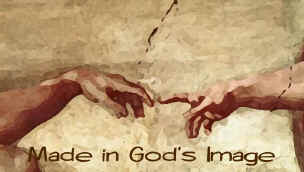

























 John Hargrove Seeking Truth and Reality