Every human life, whether quietly or loudly, is shaped by a single, foundational question. Most people never stop long enough to name it, yet it governs their priorities, their decisions, and their understanding of meaning.
The question is not, “What do I want out of life?” It is not, “How can I be successful?” It is not even, “How can I be happy?”
The most important question of life is this:
What is ultimately true—and how should I live in light of that truth?
Every worldview offers an answer, whether stated explicitly or assumed quietly. If reality is accidental and impersonal, then meaning must be manufactured. Life becomes a project of self-definition, and morality becomes negotiable. Purpose is temporary, and hope rarely extends beyond the present moment.
If, however, truth is personal, moral, and purposeful, then life is not something we invent but something we receive. Meaning is discovered, not created. Responsibility matters. Love carries weight. Suffering is not meaningless, even when it is painful.
Christian faith brings this question into sharp focus through the words of Jesus Himself. When He looked at His disciples and asked, “Who do you say that I am?” He was not asking for information. He was inviting a decision that would reorder their entire lives.
That question still does the same today.
If Jesus is merely a teacher, His words may inspire but carry no ultimate claim. If He is who He claimed to be, then truth is not an abstract concept but a person to be known and followed.
Scripture consistently frames life in relational terms. Human beings are not autonomous projects but stewards of a gift. We are accountable not only for what we do, but for how we respond to the God who reveals Himself. This reframes everything: work, family, suffering, joy, justice, and hope beyond death.
The tragedy of modern life is not that people ask too many questions, but that they settle for questions that are too small. When the ultimate question is ignored, the answers we chase never quite satisfy.
Life does not become clearer when we eliminate the question of truth. It becomes clearer when we face it honestly.
What is ultimately true? And how, then, should we live?
That is the question every life answers—whether intentionally or by default.
1. The New Testament canon is earlier than Constantine
A common modern claim is that “Constantine or Nicaea created the Bible.” Historically, the Council of Nicaea (325) dealt with Christology (Arian controversy), not a canon list, and there is no historical record of Nicaea deciding the New Testament contents. Phoenix Seminary+2The Gospel Coalition+2
What we actually see is a recognition process already underway well before the 300s:
By the late 2nd century, a substantial core of NT books is already listed in early canon evidence such as the Muratorian Fragment, which includes Acts, Paul’s letters, and other familiar books; it also distinguishes between books read publicly in church and books read privately. Encyclopedia Britannica
By A.D. 367, Athanasius’ Festal Letter 39 provides the earliest surviving list that matches the 27-book New Testament used by Protestants, Catholics, and Orthodox today. New Advent+2Archive.org+2
This matters because it shows that the 27-book NT is not a late, political invention. It is a convergence of early, widespread Christian usage that becomes explicitly documented.
2. Councils did more “confirm” than “create”
Councils and synods functioned to standardize what churches were already reading and receiving, especially when disputed writings circulated. That is different from “a group of bishops invented Scripture.” The historical record supports a gradual recognition and consolidation rather than a single moment of authoritarian selection. Phoenix Seminary+1
3. The Great Schism (1054) does not destabilize the New Testament
The 1054 schism created institutional and doctrinal tensions between East and West, but it did not produce rival New Testaments. The 27-book NT is shared across Protestant, Roman Catholic, and Eastern Orthodox traditions. The major differences across traditions relate primarily to Old Testament scope (Deuterocanonical/Apocryphal books and some tradition-specific texts), not to the apostolic NT core. New Advent+1
4. Reformation-era disputes were mostly about the Old Testament boundary and authority, not “losing the Gospel”
A frequent claim is “Protestants removed books.” Historically, the Reformers argued that the Old Testament canon should follow the Hebrew Bible (the 39 books Protestants use), while often still printing the Apocrypha as useful reading but not a basis for doctrine. Evidence of this is visible in the Geneva Bible tradition, where the Apocrypha was included in many editions (often between testaments), even when distinguished from canonical Scripture. Garrett Guides+1
So the Reformation is better described as a dispute over the status of certain books, not a discovery that Christians “had the wrong Bible for 1500 years.”
5. The strongest reliability claim is the textual evidence base
Reliability is not only “which books,” but also “do we have the text accurately.”
Modern textual criticism tests reliability through:
comparing thousands of manuscript witnesses,
cataloging variants,
weighing manuscripts by age, geography, and textual family,
and publishing transparent apparatus notes in critical editions.
This discipline exists because the manuscript base is large enough to detect copying variations rather than hide them. The existence of variants is not evidence of corruption; it is evidence that we can see and evaluate differences openly. Archive.org+1
Addressing modern criticisms directly
A. “Constantinian corruption”
This claim generally assumes centralized political control could rewrite Christianity’s texts.
The counter-evidence is:
Canon recognition and widespread usage predates Constantine (late 2nd century evidence exists). Encyclopedia Britannica+1
By Athanasius (367), the 27-book NT list is explicit and matches today’s NT—again, not a late medieval invention. New Advent+1
Manuscripts and early translations are distributed across regions and languages, which makes coordinated, empire-wide “rewriting” implausible without leaving obvious traces across textual families.
B. “Various councils picked winners”
Councils helped settle disputes about public reading and orthodoxy, but the evidence points to recognition of already-authoritative books, not the creation of authority. Phoenix Seminary+1
C. “The Reformation changed the Bible (Geneva/KJV, etc.)”
The key clarifications:
Canon (which books) is different from translation (how the text is rendered in English).
Many early Protestant Bibles included the Apocrypha as non-canonical reading; later publishing decisions often omitted it. Garrett Guides+1
The central Christian message does not depend on the Apocrypha, and the New Testament canon is shared across major traditions.
Translation errors: what’s possible, and how we investigate it
What can go wrong in translation
word-sense ambiguity (one word, multiple meanings),
idioms that don’t map neatly across languages,
textual variants (different manuscript readings),
theological bias (rare, but possible).
How accuracy is tested
translation committees include specialists in Hebrew/Aramaic/Greek,
they work from critical editions with documented manuscript evidence,
differences are footnoted,
translations are compared across philosophies (formal vs dynamic).
In other words, modern scholarship does not ask you to “trust blindly.” It shows its work.
What remains contested today
It’s important to say plainly what is still debated:
A small set of New Testament passages with notable manuscript variation (often flagged in Bible footnotes).
Old Testament scope across Protestant/Catholic/Orthodox/Ethiopian traditions (a canon-boundary question more than a “text corruption” question).
Interpretation (especially Revelation), far more than the existence or basic wording of the core texts.
A clear bottom line
The Protestant canon’s reliability is supported by:
explicit 27-book listing by Athanasius in 367, New Advent+1
and a manuscript tradition robust enough for transparent, critical comparison rather than reliance on a single “controlled” transmission line.
Why the Book of Enoch Is Not Canon Elsewhere
1. Not Included in the Hebrew Scriptures
The Hebrew Scriptures (what Christians often call the Old Testament) were preserved, transmitted, and recognized within the Jewish community long before the time of Jesus. By the first century, there was a widely recognized core collection of sacred writings—the Law (Torah), the Prophets, and the Writings.
The Book of Enoch does not appear in any Jewish canonical lists from antiquity. It was not copied or preserved alongside the Hebrew Scriptures, nor was it read in synagogue worship as Scripture. While it circulated among some Jewish groups, circulation alone was never sufficient for canonical status. Many ancient Jewish writings existed, but only a limited set were recognized as divinely inspired.
From a Christian standpoint, this matters because Christianity received the Old Testament through Israel’s Scriptures, not by later Christian invention. A book excluded from the Jewish canon already stands outside the primary scriptural stream Jesus and the apostles inherited.
2. Not Affirmed as Scripture by Jesus
Jesus consistently treated the Hebrew Scriptures as authoritative. He regularly cited the Law, the Prophets, and the Psalms, and He spoke of them collectively as “the Scriptures.” When Jesus appealed to divine authority, He appealed to this recognized body of texts.
There is no record of Jesus quoting or affirming the Book of Enoch as Scripture. He never introduced it with formulas such as “It is written” or “Scripture says,” which He frequently used for canonical texts. His teaching assumes and reinforces the authority of the Jewish Scriptures already recognized by His contemporaries.
This silence is significant. If Enoch had been regarded as Scripture in Jesus’ time, its absence from His teaching would be difficult to explain, given how freely He used other texts. Christian theology has always treated Jesus’ use of Scripture as a decisive indicator of what belongs to the canon.
3. Not Used as Scripture by the Apostolic Church
The apostles followed the same scriptural framework Jesus used. In their preaching, teaching, and letters, they consistently quoted from the recognized Jewish Scriptures, especially the Law, the Prophets, and the Psalms. These writings formed the foundation for how they interpreted Jesus’ life, death, and resurrection.
There is no evidence that the apostolic churches read the Book of Enoch as Scripture in worship or instruction. Early Christian communities distinguished between writings that were spiritually helpful and writings that were authoritative. Enoch falls into the former category for most of the early church.
When disputes arose in the early centuries, the question was not “Is this book interesting?” but “Is this book apostolic, consistent with the rule of faith, and universally received?” Enoch did not meet those criteria outside of a limited geographic tradition.
4. Quoted Once in Jude, Illustratively Rather Than Canonically
Jude 14–15 contains a quotation that parallels a passage from 1 Enoch. This is often cited as proof that Enoch should be considered Scripture. However, the logic does not hold historically or theologically.
The New Testament contains multiple examples of authors quoting non-biblical sources:
Paul quotes Greek poets (Acts 17:28; 1 Corinthians 15:33; Titus 1:12)
Biblical writers allude to cultural sayings, hymns, and traditions
Wisdom literature sometimes reflects common ancient Near Eastern thought
Quoting a source does not canonize it. Jude uses a familiar text to make a point his audience would recognize, just as Paul does with pagan poetry. Jude does not introduce the quotation with “Scripture says,” nor does he place Enoch on the same authoritative level as the Law or the Prophets.
The early church understood this distinction clearly. Jude’s use of Enoch was seen as illustrative and rhetorical, not as an endorsement of Enoch as inspired Scripture.
Theological Summary
The Book of Enoch is excluded from most Christian canons not because it was hidden or suppressed, but because it was never widely received as Scripture in the first place.
It was not part of the Jewish Scriptures Jesus affirmed
It was not treated as Scripture by the apostles
It was not used authoritatively in early Christian worship
Its occasional quotation functions illustratively, not canonically
Ancient, interesting, and influential do not mean inspired.
Christian Scripture is defined not by curiosity or novelty, but by apostolic witness and Christ-centered authority. The canon reflects a careful process of recognition, not the loss of secret books or suppressed truths.
When people refer to “the Ethiopian Bible,” they are usually referring to the canon of the Ethiopian Orthodox Tewahedo Church, which is the largest biblical canon in Christianity.
It includes:
The standard Old Testament and New Testament books
Additional writings not included in Protestant, Catholic, or Eastern Orthodox canons
Notably, 1 Enoch, Jubilees, and other texts
This canon reflects local church tradition, not a universal early-Christian consensus.
2. Historical Origins of Ethiopian Christianity
Christianity reached Ethiopia very early:
Acts 8:26–39 records the conversion of the Ethiopian eunuch
By the 4th century AD, Christianity was established as a state religion under King Ezana
Ethiopian Christianity developed largely independently of Roman and later Western ecclesial structures
Because of this isolation:
Ethiopian Christianity preserved texts and traditions that fell out of use elsewhere
Canonical boundaries developed differently
This explains difference, not superiority or inferiority.
3. Language and Manuscript Tradition
The Ethiopian Bible is preserved primarily in Geʽez, an ancient Semitic language.
Important points:
Most Ethiopian biblical manuscripts date from the medieval period (not the 2nd century)
Earlier sources are inferred through translation lineage, not surviving originals
The Ethiopian canon is based on received tradition, not apostolic authorship tests
There is no complete Ethiopian Bible manuscript from 160 AD. That date often cited refers to:
Approximate composition periods of certain texts
Or to traditions preserved orally or textually before later compilation
4. The Book of Enoch (Most Common Question)
Authorship
Not written by the biblical Enoch
Composed by multiple Jewish authors between 300 BC and 100 AD
Pseudepigraphal (written under an ancient name to give authority)
Content
Apocalyptic visions
Angelology
Judgment imagery
Commentary on Genesis 6
Why Ethiopia Preserved It
It was valued in some Jewish communities
It survived in Ethiopia when lost elsewhere
Preservation does not equal inspiration
Why It Is Not Canon Elsewhere
Not included in the Hebrew Scriptures
Not affirmed as Scripture by Jesus
Not used as Scripture by the apostolic church
Quoted once in Jude, as Paul quotes pagan poets—illustratively, not canonically
5. How the Canon Was Determined Historically
Across early Christianity, books were recognized as Scripture if they met these criteria:
Apostolic origin or authority
Consistency with the rule of faith
Widespread use in worship
Theological coherence
Reception across the whole church
The Ethiopian canon reflects local reception, not ecumenical recognition.
6. Reliability vs. Authority (Critical Distinction)
The Ethiopian Bible is:
Historically valuable
Culturally important
A witness to early Jewish and Christian thought
But reliability and authority are not the same.
A text can be ancient and preserved yet not inspired Scripture
Reliability in Christianity is measured by apostolic witness and Christ-centered coherence, not age alone
7. Does the Ethiopian Canon Undermine the Bible?
No.
Key reasons:
Core Christian doctrines do not change across canons
The identity of Jesus is consistent
Salvation theology is unchanged
The Gospel message is stable
The Ethiopian canon adds material, not corrections.
8. Why These Questions Arise Today
Interest in the Ethiopian Bible often comes from:
Internet apologetics
Suspicion of Western authority
Desire for “lost” or “hidden” knowledge
Cultural fascination with ancient texts
Pastorally, this often signals:
Curiosity mixed with insecurity
Hunger for certainty
Fear that something essential was withheld
9. A Theological Bottom Line
The Ethiopian Bible does not expose a flaw in Christianity.
It shows:
Christianity developed across cultures
Scripture was preserved in multiple streams
The Church carefully discerned, not casually discarded
The Bible we have is not a reduced version of something larger. It is a focused, Christ-centered witness.
10. Pastoral Closing
Christ did not promise secret books. He promised the Holy Spirit.
Scripture was not given to satisfy curiosity, but to reveal Christ and form faith.
The Ethiopian Bible is a valuable historical witness. The canonical Scriptures are a reliable theological foundation.
Today we light the third candle of Advent—the Shepherds’ Candle—the candle of Joy.
Its color is different for a reason. Joy is not merely another virtue in the Advent lineup; it is the evidence that the world is already being changed by God’s promise.
Joy appears before circumstances improve. Joy arrives while the night is still dark. It is the shepherd’s fire on a hillside, burning long before the sunrise.
The Revised Common Lectionary gives us a vivid tapestry this morning—texts that speak to people living under pressure, uncertainty, and discouragement. In each passage, joy does not arise from ease but from the assurance of God’s nearness.
I. “Sing Aloud… Rejoice with All Your Heart”
Zephaniah 3:14–20
Zephaniah speaks to a people who have been shaken, scattered, and exhausted by judgment and loss. Their world has been unstable. Their future has been uncertain.
Yet the prophet commands what their emotions do not feel ready to offer: Sing. Rejoice. Lift up your heart.
This is not denial; it is revelation.
Zephaniah tells them why they can rejoice:
“The Lord, your God, is in your midst… He will rejoice over you with gladness… He will renew you in His love.”
The joy of God’s people begins with the joy of God Himself.
Before the shepherds rejoiced, Heaven rejoiced over them. Before Bethlehem sang, God was already singing.
There are moments in all our lives when joy feels beyond reach—when responsibilities tower, when exhaustion settles in, when losses pull on the heart. Yet Scripture invites us to trust that God’s joy reaches us long before we can reach it ourselves.
II. “Surely God Is My Salvation”
Isaiah 12:2–6
Isaiah’s song is the testimony of someone who has come through deep waters and discovered that God did not abandon them.
“God is my strength and my song… With joy you will draw water from the wells of salvation.”
Joy is not a shallow emotion.
Joy is the water you draw when everything else has run dry.
Joy is the evidence that God has not merely saved you from something but saved you for something—to live, to hope, to become a witness of His faithfulness.
The shepherds understood this. Their lives were ordinary, hidden, uncelebrated. Yet when the angels declared “good news of great joy,” their hearts recognized it instantly. This was the water their souls had longed for.
III. “Rejoice in the Lord Always”
Philippians 4:4–7
Paul writes these words from a place of confinement. There is no comfort in his setting. Yet he instructs the church to live with a joy that cannot be cancelled by circumstance.
“Rejoice in the Lord always… The Lord is near.”
Joy is not a reaction. Joy is a posture.
Joy anchors us when anxiety rises. Joy guards the heart when pressures mount. Joy flows from the confidence that Christ is not far away—He is near, attentive, present.
And Paul says this nearness produces something profound:
“The peace of God, which surpasses all understanding, will guard your hearts and your minds in Christ Jesus.”
The shepherds would soon stand in that peace, beholding a newborn King in a manger. What Paul proclaims in a prison is exactly what the angels announced in the fields: God has come near.
IV. John the Baptist and the Joy of Expectation
Luke 3:7–18
Luke’s Gospel offers a surprising text for a Sunday dedicated to joy. John the Baptist’s message is blunt, confrontational, and demanding. He calls people to repentance, integrity, and transformation.
And yet the passage ends with this assertion:
“So, with many other exhortations, he proclaimed the good news to the people.”
Good news and repentance are not competing ideas.
True joy is impossible without transformation. Joy is what emerges when God clears the debris, breaks the chains, and calls us into honest, renewed living.
John’s message prepared the people to receive the Christ-child with hearts ready, uncluttered, and awakened. The angels announced joy; John cleared the way for that joy to take root.
The shepherds illustrate what this looks like: when God interrupts your ordinary life with His glory, you move. You go. You see. You bear witness. And you return “glorifying and praising God” because joy has become personal.
V. The Shepherds’ Candle for Us Today
Advent joy is not naïve. It is not blind to hardship, pressure, or grief. It is not manufactured by effort.
It is the recognition that:
God is in our midst.
God rejoices over us.
God renews us in His love.
God draws near when the world is dark.
God speaks truth that sets us free.
God opens wells of salvation where we thought only dryness existed.
Joy is the shepherd’s discovery—that the long-promised Messiah has come not to the palace but to the quiet fields where ordinary people stand watch at night.
Joy is not found by escaping our responsibilities; it is found when Christ steps into them.
Joy is not the absence of strain; it is the presence of a Savior.
Joy is the announcement that Heaven came looking for us.
VI. Joy in the Midst of Family Life
Let me speak directly to what many of us face this Advent season.
For the parent working long hours: You clock in before dawn at the plant or the refinery. You drive the highways to Beaumont or Port Arthur. You come home tired, and the house still needs tending, the kids still need help with homework, and Christmas is coming whether you’re ready or not.
Joy is not waiting for you at the end of a less demanding season. Joy meets you in the truck on the way home. Joy sits with you at the kitchen table. The Lord is near—even there.
For the mom holding everything together: You’re managing schedules, stretching the budget, keeping peace between siblings, and wondering if you’re doing enough. December multiplies the pressure—school programs, family gatherings, gifts to buy when money is already tight.
Hear what Zephaniah says: God rejoices over you. Before you get it all figured out. Before the laundry is done. Before you feel like you’ve measured up. He is already singing over you.
For the grandparent raising grandchildren: You thought these years would look different. Instead, you’re back in the thick of it—school lunches, discipline, bedtimes—when your body is tired and your heart carries grief over what led to this.
Joy does not ignore your weariness. But joy reminds you: God sees your faithfulness. He has not forgotten you. The same God who sent angels to shepherds working the night shift sends His presence to you.
For the family walking through grief: This Christmas, there’s an empty chair. The holidays remind you of who’s missing—a spouse, a parent, a child. Joy feels like a word for other people.
But Advent joy is not cheerfulness. It is the deep-water confidence that God draws near to the brokenhearted. Isaiah’s wells of salvation are for those who have walked through the valley. You are not forgotten. You are held.
For the young family just getting started: Maybe you’re newly married, or you’ve got little ones underfoot, and you’re trying to build something on one income or two jobs. You look around at what others have and wonder when your turn comes.
The shepherds had nothing but their flocks and their fields. And God came to them first. Joy is not reserved for those who have arrived. Joy is given to those who are willing to receive.
For the one battling anxiety or depression: Some of us carry burdens that don’t show on the outside. The holidays can make it worse—expectations, gatherings, the gap between how things look and how things feel.
Paul wrote “Rejoice in the Lord always” from a prison cell. He was not pretending everything was fine. He was anchoring himself in a truth deeper than his circumstances. You can bring your real struggle to a real Savior. He does not require you to clean up first.
VII. A Word for This Community
We live in a place where people know how to work hard and look after their own. We’ve weathered storms—the kind that come off the Gulf and the kind that come through family crisis. We’ve rebuilt after floods. We’ve buried people we loved too soon. We’ve held together when times got lean.
And Advent says to us: Even here, Joy approaches.
Not because everything is resolved. Not because life has become easy. But because the Lord is near.
When the shepherds ran to Bethlehem that night, they were not running toward relief. They were running toward revelation—a God who chooses the humble places, who draws close to the weary, who brings joy to those who least expect it.
That same God stands near you today.
And because He is near, joy is possible.
VIII. A Call to Respond
What does it look like to receive this joy?
First, believe it is for you. Not for people with easier lives. Not for people more spiritual than you feel. For you—in your tiredness, your doubts, your ordinary days.
Second, make room for it. This week, take even five minutes away from the noise. Sit with the Lord. Let Him remind you that He is near. You cannot hurry joy, but you can clear space for it.
Third, share it. The shepherds did not keep what they found to themselves. They told everyone. Joy multiplies when it moves through families, through neighbors, through a church that refuses to let anyone walk alone.
This Advent, let the Shepherds’ Candle burn in your home—not as decoration, but as declaration: The Lord is near. And because He is near, we have joy.
Closing Prayer
Lord, we thank You for the joy that does not depend on circumstance but on Your presence.
Renew us in Your love.
Clear our hearts by Your truth.
Let the wells of salvation open again within us.
Meet the tired parent on the drive home.
Comfort the grieving at the empty chair.
Strengthen the grandparent giving more than they thought they had left.
Anchor the anxious heart in Your peace.
And may we, like the shepherds, become witnesses of the joy that has entered the world—
Advent joy is not a sentimental feeling, and Scripture refuses to flatten it into something shallow. The lectionary readings for the third Sunday of Advent—Zephaniah 3, Isaiah 12, Philippians 4, and Luke 3—do not describe easy times. They speak to people under pressure, people who are unsettled, people who need God to step into the middle of their reality.
And it is precisely there that joy emerges.
Zephaniah promises a God who “rejoices over His people with gladness.” Isaiah sings of a salvation that becomes a well of living water. Paul—writing from confinement—reminds believers that peace and joy come because “the Lord is near.”
Then Luke offers a surprising picture. We meet John the Baptist, thundering a message of repentance. His words are sharp, his demands weighty, and his tone urgent. Yet Luke concludes by saying that John was “proclaiming the good news.”
The doorway to joy is repentance—not as punishment, but as transformation. Joy grows where God clears away what is broken. Joy takes root where honesty finally replaces pretense. Joy flourishes where hearts make room for the One who is coming.
The angels did not announce joy to shepherds because shepherds had perfect hearts—they announced joy because God had arrived to renew them.
That same renewal is still His work today.
If your life feels stretched, if your heart is tired, or if your spirit is unsettled, do not assume joy is out of reach. Advent joy does not come from pretending everything is fine. It comes from allowing Christ to step into the truth of where you really are.
Let this season be an invitation to honesty, to renewal, and to the quiet miracle of joy that follows. The Shepherds’ Candle is a reminder that joy always begins with God’s nearness—right here, right now, in the real circumstances of your life.
Some passages in Scripture whisper comfort; others stop us in our tracks. Few verses unsettle believers more than Jesus’ words in Matthew 12 and Mark 3—His solemn warning that blasphemy against the Holy Spirit “will not be forgiven,” neither in this age nor the one to come. Many read it and feel a chill. Why would Jesus, full of mercy and compassion, name a sin that seems beyond forgiveness?
To understand His warning, we must enter the moment in which it was first spoken.
Jesus had just healed a man in full public view—blind, mute, oppressed. The transformation was unmistakable. The crowd was moved to wonder. Yet the religious leaders, determined to discredit Him, stepped forward with a chilling claim: “He casts out demons by the power of Beelzebul.”
Jesus answered with gravity. They were not merely confused. They were not wrestling with belief. They were watching the Holy Spirit reveal the kingdom of God in real time and calling that holy work demonic. They were resisting the very witness God uses to draw a person to salvation. And in that defiant rejection of the Spirit’s testimony about Christ, Jesus warned them: You are approaching a line from which the heart cannot return.
This is the core of why this sin is described as “unforgivable.” It is not because God is unwilling to forgive, but because a person in that state refuses the very grace that forgives. The Spirit’s mission is to reveal Jesus, convict of sin, and open the door to repentance. When someone knowingly rejects that witness—and attributes the Spirit’s work to the devil—they close the door on themselves. They shut out the only light that can break through their darkness.
It is one thing to misunderstand Jesus; even His disciples did that. It is another to harden the heart so completely that truth is reinterpreted as evil. Jesus calls this an “eternal sin” because such rejection—if carried through life and into death—becomes a final, unchanging posture. Where repentance is refused, forgiveness cannot be received. Not because God withholds mercy, but because the heart no longer seeks it.
This warning is sobering, but it carries a surprising reassurance: the person troubled by this sin has not committed it. Concern is evidence of softness, not hardness. The Pharisees Jesus rebuked felt no such concern. Their posture was not fear—it was hostility.
At its core, blasphemy against the Spirit is not a single outburst or a passing doubt. It is a willful, deliberate, and persistent rejection of the Spirit’s revelation of Jesus Christ. It is calling the truth a lie, calling the good evil, and resisting the very One who draws us toward forgiveness.
The gravity of Jesus’ warning is meant to awaken us, not paralyze us. It reminds us that the heart can be shaped over time—toward hardness or toward openness. And it calls us to honor the work of the Holy Spirit whenever He shines light, convicts, comforts, or draws us to the Son. The Spirit never turns away a repentant heart. The danger lies only in refusing Him until the heart no longer wishes to turn at all.
In the end, this teaching is not about one terrifying exception to God’s mercy. It is about the essential doorway through which all mercy comes. To reject the Spirit is to refuse life itself. To welcome His work is to find grace waiting at every turn.
There are moments in life when movies, memories, and years of lived experience weave themselves into a single thread. Looking back from sixty-seven, I can see how the stories that once entertained me now speak with deeper meaning. They shine a quiet light on what I have carried, what I have learned, and who I have become.
Two films from late 2001 come to mind—stories set in the shadows of espionage and conflict, filled with characters wrestling with impossible choices. On the surface, they were thrillers. Beneath the surface, they were studies in darkness, loyalty, and the long, hard road toward redemption. Only now do I see why they left such a mark.
Both narratives followed men who lived in the shadows—first as soldiers, then as operatives shaped by ambiguity. Each learned to navigate life with precision, endurance, and a sense of duty that often required more than most people ever see. They carried weight—emotional, moral, and sometimes spiritual. They worked under pressure, made decisions that others would never know about, and shouldered consequences that rarely made headlines.
Yet in the end, their defining moments weren’t the missions they completed or the dangers they survived. Their defining moments were the ones where they chose love over protocol, compassion over convenience, and human life over institutional safety. In those choices, we see how men shaped by darkness still gravitated toward the light.
At sixty-seven, I understand that more deeply than I once did.
Life has a way of testing every belief we have about ourselves. There are seasons when the weight feels unbearable—years of responsibility, the losses that accumulate, the roles we never asked for but stepped into anyway. There are moments when duty seems to conflict with compassion, when institutions fail the people in them, and when the world asks us to harden our hearts just to stay afloat.
But there is another story running underneath all of that. A quieter one.
The older I get, the more convinced I am that light has a way of finding its way into even the darkest corners. Faith becomes less about having every answer and more about trusting that God meets us in the places where our strength wears thin. Love becomes less of a feeling and more of a choice—a decision to stand with people, protect them, guide them, or rescue them when the world turns away.
Redemption, too, looks different with time. It is not a sudden, dramatic reversal. It is slow, steady restoration. It is the grace that holds you together when you have carried too much for too long. It is the courage to step toward the light even after walking through shadows.
When I look back, I see how many moments were shaped by these themes. Times of crisis where clarity finally emerged. Seasons of confusion that eventually revealed deeper purpose. Relationships tested but made stronger by truth. Leadership forged in hard places. And always, the gentle hand of God pulling me back toward the light when the world felt heavy.
Those old movie stories were fiction, but the truths inside them are not. We all stand at the crossroads between darkness and light more often than we admit. We all feel the strain of choices that have no easy answers. And all of us, if we are honest, long for redemption—something that tells us our struggles were not wasted and our sacrifices were not in vain.
At sixty-seven, this is the lesson that rings truest: the weight we carry does not define us. What defines us is the love we choose, the faith we hold, the light we walk toward, and the redemption that meets us along the way.
Celebrating the Life and Legacy of Robert Edwin Hargrove December 5 2025 Born December 5, 1927 — Buna, Texas Passed September 6, 2013 — Buna, Texas
Today we honor the birthday of Robert Edwin Hargrove, a man whose steady presence shaped his family, strengthened his community, and left an enduring mark on Buna and Jasper County. His life reflected the deep values of rural East Texas—work, faith, service, and integrity—lived not in speeches but in actions repeated faithfully over decades.
Born in Buna in 1927, Robert was raised during the Great Depression and the wartime years that demanded resilience from every family. Those early years shaped the patient, steady character he carried throughout his life.
During his youth and early adulthood, Robert contributed to the early development of Buna’s public services. He worked for Tom Barker during high school and for some time afterward, assisting in the operation of the town’s diesel generator system—the very system that provided electricity to Buna before JNEC extended power lines into the region. In those years, the town relied on local operators to keep the generators running, manage outages, and ensure that families and businesses had dependable light and power.
As a young man he answered his country’s call, serving in the United States Army with the 45th Infantry Division, 120th Combat Engineers, deploying to Korea and performing dangerous, essential work with quiet resolve.
Returning home, he built a life marked by responsibility and devotion. In 1957 he married Lavee Richbourg, and together they raised three sons—John, Hardy , and Wylie—rooting their family in the same East Texas soil that had shaped them.
Robert gave deeply to his community. He served for many years on the Buna Independent School District Board, including time as Board President. In that role he helped guide the school system through seasons of growth and change, always insisting that the next generation deserved stability, opportunity, and excellence. His leadership was steady, principled, and grounded in a genuine concern for the children and families of Buna.
He was also a man of faith, active throughout his life in the Buna Methodist Church. He served wherever needed—trustee, Sunday school teacher, volunteer, and quiet presence. His faith was lived rather than announced, expressed in service, humility, and a deep sense of responsibility to his church family.
His legacy reflects the best of the long Hargrove lineage—strength without pride, faith without show, perseverance without complaint. The generations who preceded him crossed oceans, endured war and hardship, and built communities from the ground up. Robert carried those same qualities into the modern era, living a life of steadiness that inspired those around him.
Today, as we mark his birthday, we remember a man whose example continues to guide his family and community. A man who did what needed to be done. A man who could be counted on. A man whose life mattered quietly, deeply, and permanently.
Happy 97th Birthday in Heaven, Robert E. Hargrove. Your legacy continues in the lives you shaped and the community you served.
Robert Edwin Hargrove A Life Across Nine Decades
1920s — Beginnings (1927–1929) Robert was born in the closing years of the Roaring Twenties, at a time when Buna was a small, timber-country settlement with limited infrastructure. His earliest days would have been marked by family, church, and the rhythms of rural life. His parents, James and Mary, were part of the first generation to root the Hargrove and Denman lines firmly in Buna’s early community life.
1930s — Childhood in the Depression His childhood unfolded during the Great Depression, a decade when rural East Texas survived through hard work, neighbor cooperation, and self-reliance. Robert likely helped with farm chores, garden plots, cutting wood, and caring for animals. School was a privilege; work was expected. Sunday worship at the local Methodist church anchored weekly life. Electricity was limited, and his later work on the town diesel generator suggests an early familiarity with mechanical systems, power equipment, and practical problem-solving.
1940s — Youth, Work, and Early Responsibility In his teenage years Robert attended Buna schools and worked for Tom Barker, helping operate Buna’s diesel generator plant, which produced electricity for the town before JNEC lines arrived. This work required reliability, long hours, and technical skill well beyond his age. These were the war years. Though too young for World War II, Robert grew up in a community shaped by rationing, local enlistments, and the wartime economy. He learned responsibility early—supporting his family, working multiple jobs, and contributing to the stability of a rural town in a turbulent era.
1950s — Military Service, Marriage, and the Start of Family Life The Korean War era called him to military duty. In 1951 he entered the U.S. Army and deployed to Korea with the 45th Infantry Division, 120th Combat Engineers, where he served in harsh conditions that demanded discipline, strength, and courage. After returning home, Robert married Lavee Richbourg in 1957 and began building a home of his own. Late in the decade their first child, John, was born. The 1950s were years of transition—from soldier to husband, from young worker to the steady provider he would become.
1960s — Raising a Family and Deepening Community Roots The 1960s were defined by family life and community service. With the births of Hardy and Wylie, Robert became the father of three sons. He worked steadily to provide for his growing household, and these years likely saw him balancing demanding work with active involvement in Buna Methodist Church and local community responsibilities. His Father passed during this decade, leaving him as one of the senior carriers of the Hargrove family’s East Texas legacy.
1970s — Leadership, School Board Service, and Stability The 1970s were a period of public service. Robert served on the Buna ISD School Board, including time as Board President, helping guide the district during seasons of modernization and growth. His sons were moving through school, and he focused on ensuring they—and all Buna students—had reliable facilities, stable leadership, and opportunities that earlier generations lacked. These were steady years, defined by work, church, responsibility, and the steady rhythm of rural life.
1980s — Mentorship, Church Leadership, and Family Milestones By the 1980s, Robert was respected as a seasoned leader, a trusted church member, and a mentor. At Buna Methodist Church he served as trustee, Sunday school teacher, and a dependable servant in numerous roles.
His Mother passed as the decade started. He supported his sons as they began their adult lives, careers, and families. He and Lavee became grandparents. These were years of quiet influence—teaching, advising, helping, and modeling steady character.
1990s — Retirement, Reflection, and Community Continuity In the 1990s Robert eased into retirement while maintaining deep roots in community and church. He saw the passing of his siblings James (1994) and George (1995), a reminder that he had become part of the family’s senior generation. He spent more time on the Neches River, on quiet mornings with coffee, and on the small routines that bring meaning after decades of work. His presence remained steady—calm, predictable, and deeply valued.
2000s — The Grandfather Years The 2000s brought slower days and the joy of watching grandchildren grow. Though older, he remained active in his church and community, continuing the habits of service that marked his life. These were reflective years—filled with family gatherings, stories from earlier days, and the quiet pride of seeing the next generation stand on foundations he helped lay.
2010s — Closing Years Robert entered his final decade still grounded in the same community where he had been born. He lived to see Buna change, grow, and become a connected rural hub far beyond the diesel-generator days of his youth. He passed away in 2013 at the age of 85, leaving behind a legacy of steadiness, humility, faith, and service—a legacy carried forward by his children, grandchildren, and the community he helped shape.
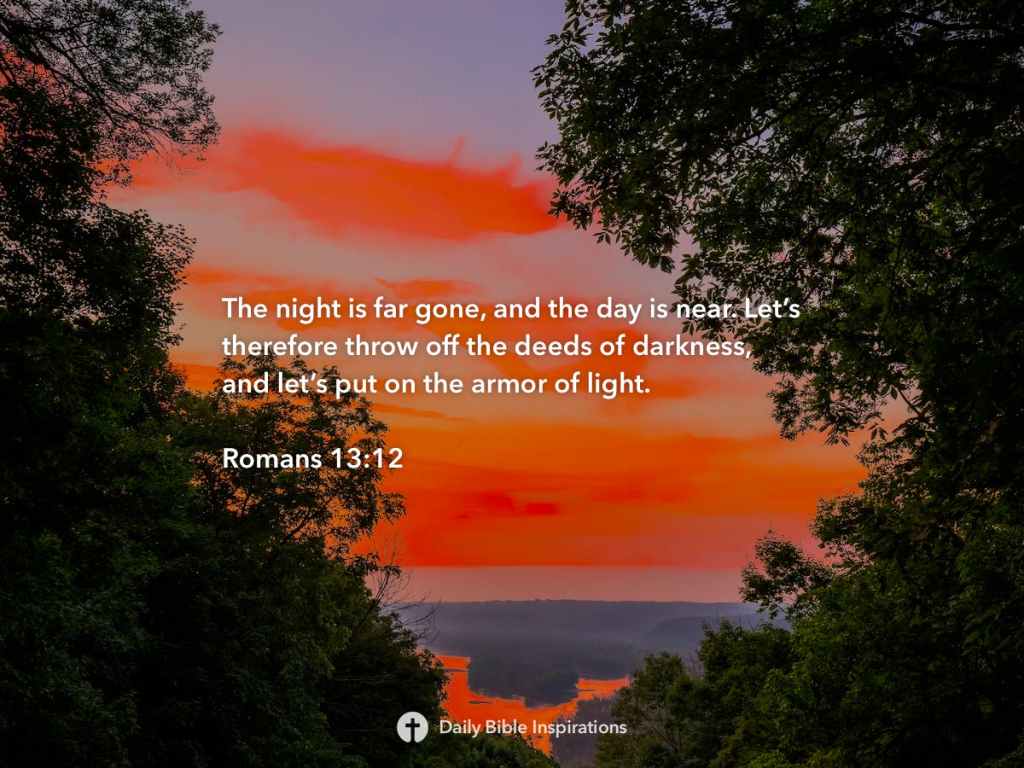
Date: First Sunday of Advent, Year A Primary Scripture: Romans 13:12
The season of Advent does not begin with celebration—it begins with longing. It opens not in bright light but in the quiet, honest darkness of real life, where people carry grief, illness, recovery, fatigue, and the complex history of family and community. Advent speaks precisely into these places and invites us to lift our eyes toward the hope of Christ.
Our congregation reflects this reality well. Some among us are grieving recent losses. Some are navigating serious health challenges. Others are walking faithfully through recovery from addiction. Many carry responsibilities that feel heavy. And many more carry the deep history and legacy of this church’s founding families. Into this very real mixture of pain, perseverance, and hope, Advent speaks clearly: The Light is coming.
A Vision That Pulls Us Forward — Isaiah 2:1–5
In the first reading of the season, Isaiah gives God’s people a vision large enough to carry them through dark times. He describes a future where nations stream to the mountain of the Lord and where weapons of violence become tools of growth. It is a world transformed by the peace of God.
Isaiah’s call—“Come, let us walk in the light of the Lord”—is not an invitation to pretend everything is fine. It is a summons to move, one step at a time, toward the future God promises. Advent is never passive. It is an active walk toward hope.
Finding Gladness and Peace in Worship — Psalm 122
Psalm 122 echoes Isaiah’s vision but turns it into a song of gathering. The psalmist rejoices to be with God’s people and prays for the peace of Jerusalem.
In our setting, that becomes a prayer for the peace of this congregation, for the families who carry decades of shared memories, for those who minister to the sick and grieving, for the children and teens growing in faith, and for every person who walks through our doors longing for God’s presence. Advent reminds us that worship is not simply a routine—it is a pilgrimage toward peace.
Wake Up—The Dawn Is Near — Romans 13:11–14
Paul speaks to believers who are tired, discouraged, or tempted to drift spiritually. His message is strikingly direct: “It is now the moment for you to wake from sleep… the day is at hand.”
Rural communities know what it is to rise before dawn. You stand on the porch, look out at the dark pasture, and trust that light is coming even when you cannot yet see it. Paul’s message resonates here: no matter how long the night has felt, God assures us that dawn is drawing near.
To “put on the armor of light” is to live with purpose and clarity:
Choosing steps toward healing and recovery.
Letting go of habits that harm us.
Forgiving old wounds.
Encouraging those who struggle.
Living in a way that reflects hope rather than despair.
Advent calls us to spiritual wakefulness.
Living Ready for Christ — Matthew 24:36–44
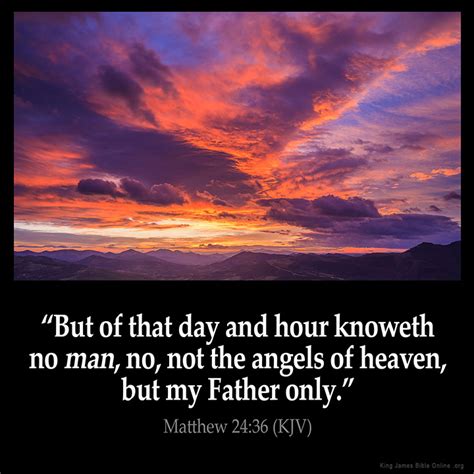
Jesus reminds His disciples that His coming will be unexpected, and His point is not to create fear but to cultivate readiness. In the days of Noah, people were absorbed in everyday routines—good routines, ordinary routines—but they became spiritually numb.
That can happen to all of us. Work, illness, grief, family burdens, schedules, and stress can slowly lull us to sleep. Jesus urges us to stay awake and live ready—not anxious, but alert; not afraid, but purposeful.
Readiness means shaping daily life around the reality that Christ truly matters.
Advent for Real People
Taken together, these readings paint a powerful picture of Advent:
Isaiah shows us God’s promised future.
The Psalm invites us into community and peace.
Romans calls us to awaken and put on the armor of light.
Jesus urges us to live ready for His return.
And all of this meets us in our real world, not in an ideal one.
Images for the Journey
Several images help us understand Advent more clearly:
The lantern on the fence post: God often gives just enough light for the next step, not the entire path.
The barn after the storm: God promises a world where the storm ends and rebuilding begins.
The empty chair: Advent does not erase grief, but it promises that sorrow is not the end of the story.
These images remind us that Christ comes to honest places, hurting places, rural places, and to ordinary people walking through extraordinary challenges.
Walking in the Light This Season
As Advent begins, consider these simple practices:
Take one small step toward God each day.
Make peace where God opens the door.
Care for those who are sick or grieving.
Live as though Christ could be welcomed at any moment.
Enter worship with expectation and hope.
Advent is not about perfection. It is about preparation.
Conclusion: The Light Is Coming
Advent tells the truth: our world feels dark in places. But it also proclaims the greater truth: the dawn is approaching. The night is far gone. The day is at hand. And the Light of the world is drawing near.
May this season awaken our hearts to hope, strengthen our walk of faith, and prepare us to welcome Christ with joy.
With Reflections from Various Theologies, Early Church Fathers, and Zola Levitt Studies
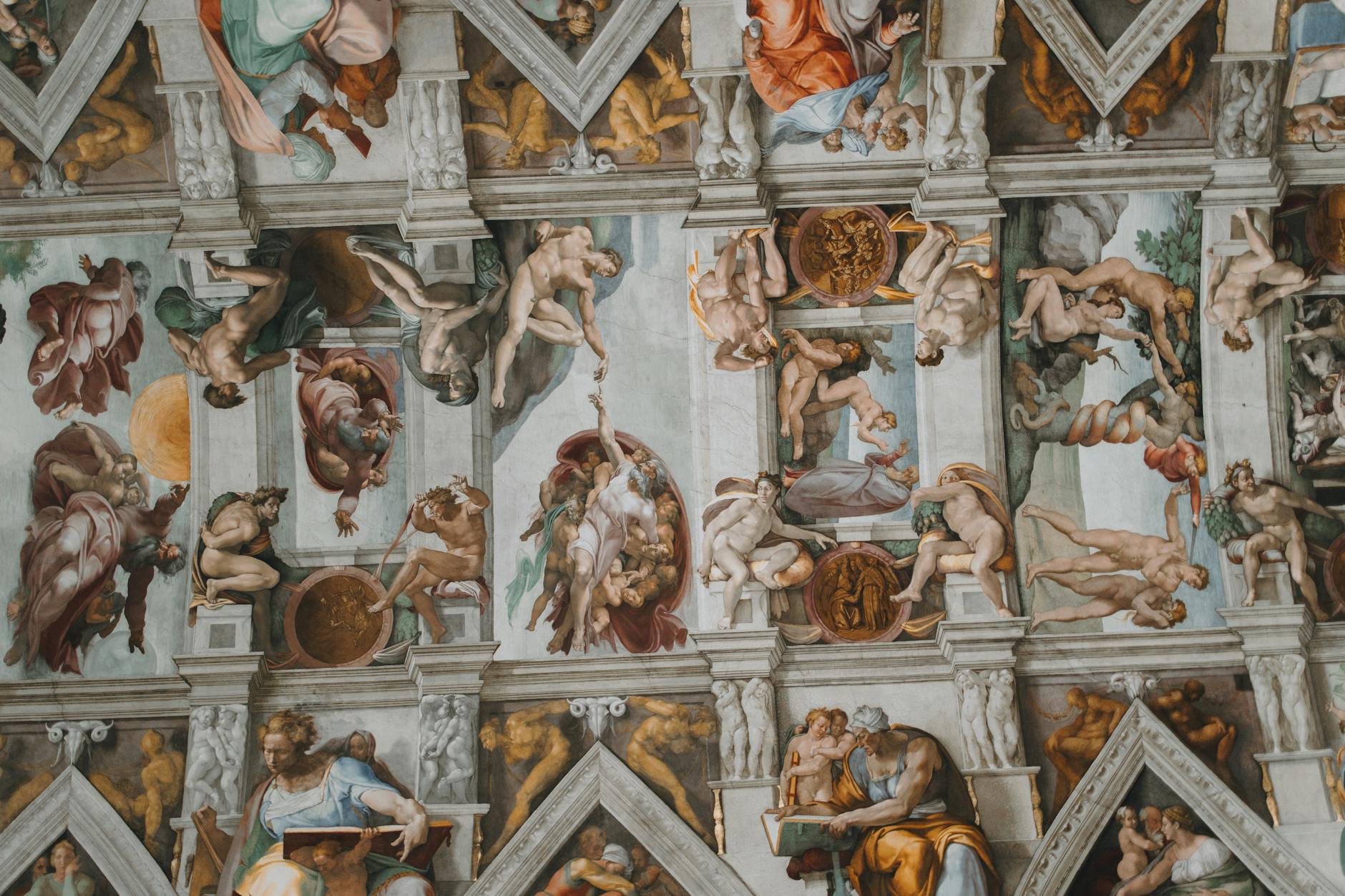
Names & Meaning Adam means “earth” or “ground,” referencing his formation from the dust. Eve means “life” or “living,” reflecting her role as “the mother of all who live” (Genesis 3:20).
Scriptural Origin Genesis 1–5 tells the story of Adam and Eve: the first humans, created in God’s image (Genesis 1:27), given the sacred task of stewardship over creation (Genesis 2:15), and placed in the Garden of Eden to live in communion with God and one another.
God formed Adam from dust and breathed into him the breath of life (Genesis 2:7). Eve was created from Adam’s side (Genesis 2:22), indicating not inferiority, but equality and partnership. Their union represented the first human covenant and family.
The Fall and the First Gospel Tempted by the serpent, Eve ate from the tree of the knowledge of good and evil and gave the fruit to Adam, who ate knowingly (Genesis 3:6). Their eyes were opened, shame entered the world, and they hid from God. Yet, even in judgment, God sought them out (Genesis 3:9) and promised redemption through the “seed of the woman” (Genesis 3:15)—the first gospel.
Christian Perspectives John Wesley, in Sermon 44: Original Sin, wrote that Adam’s disobedience “infected the very root of our nature,” but that God’s grace “goes before” to awaken us. He insisted on shared guilt and shared grace. Adam was passive; Eve was deceived. Both sinned and both were recipients of prevenient grace.
For Wesley, the story of Adam and Eve is not about assigning blame, but about recognizing the universal condition of sin and the universal availability of redemption. Their expulsion from Eden was not the end—it marked the beginning of God’s saving work.
Early Church Fathers
Irenaeus of Lyons (2nd century)
Irenaeus taught that Adam’s sin introduced corruption into humanity, not merely by imitation but by a real distortion of human nature. He emphasized that humanity fell “in Adam” because Adam was the head of the human race. Simultaneously, Irenaeus introduced the earliest full articulation of prevenient grace through the theme of “recapitulation”: God moves first to heal what Adam broke, and Christ retraces Adam’s steps to restore human freedom. Eve is portrayed as genuinely deceived; Adam knowingly chose disobedience.
Tertullian (late 2nd–early 3rd century)
Tertullian argued that Adam transmitted guilt and corruption biologically (“seminal identity”). He stressed the seriousness of the Fall and saw all humans as implicated in Adam’s act. He also affirmed that divine grace initiates repentance—though not systematically developed.
Origen (3rd century)
Origen taught that humanity inherited a condition of moral weakness because of Adam, even if he avoided later Western language of “imputed guilt.” He explicitly states that God’s grace must “precede and assist” the soul’s turning to God. Eve’s deception and Adam’s disobedience are both treated as components of the Fall, but Adam carries the headship responsibility.
Athanasius (4th century)
In On the Incarnation, Athanasius depicts Adam’s sin as plunging humanity into corruption and death. He presents grace as wholly prior—God must act first to restore the human will, because the human will has lost its capacity to return to God unaided.
Augustine of Hippo (late 4th–early 5th century)
Augustine is the most decisive early voice on inherited guilt and divine initiative:
Adam’s sin caused a real corruption of human nature inherited by all.
Humans are morally unable to initiate faith or love of God.
Grace must come first—gratia praeveniens—to awaken the will. Augustine also distinguished between Eve’s deception and Adam’s knowing rebellion (1 Tim. 2:14), but he held both fully responsible.
John Cassian (5th century)
Cassian moderated Augustine slightly: humanity is wounded by Adam, unable to save itself, but still retains some capacity to cooperate when grace first stirs the soul. He preserved the idea that grace initiates, but emphasized synergy.
Medieval Christian Writers
Anselm of Canterbury (11th century)
In Cur Deus Homo, Anselm presents original sin as the loss of original righteousness and the inheritance of guilt. Anselm is firmly Augustinian: the will cannot return to God without God beginning the work.
Thomas Aquinas (13th century)
Aquinas taught that Adam’s sin deprived humanity of supernatural grace and disordered human nature. Original sin is both guilt and the “privation of original justice.” He emphasizes that actual grace precedes every movement of the will—a clear affirmation of prevenient grace. He distinguishes the modes of Adam and Eve’s sin: Eve fell by deception; Adam by consent; both equally contributed to humanity’s corruption.
Bonaventure (13th century)
Bonaventure strongly emphasized that grace is always prior to human action and that no one can reach God unless God first inclines the heart.
Reformation-Era Voices (16th century)
Martin Luther
Luther held that original sin corrupts the entire human nature and that no part of the will remained untainted. He described fallen humanity as spiritually “dead.” Grace—specifically the work of the Holy Spirit—must awaken faith; it always precedes. He kept the distinction of Eve’s deception and Adam’s headship responsibility.
John Calvin
Calvin articulated that Adam’s disobedience “contaminated” human nature. Original sin is both guilt and corruption. The will is so bound that it cannot even desire God unless God first acts—praeveniens gratia is implicit in his doctrine of regeneration. Both Adam and Eve sinned, but Adam’s role as covenant head made his act determinative.
Seventeenth and Eighteenth-Century Writers (Wesley’s Context)
Jacobus Arminius (1560–1609)
Arminius, whom Wesley later followed, taught that original sin leaves humanity totally unable to turn to God without grace. But he insisted on a universal, enabling grace restorative to free will—“prevenient grace”—given through the Spirit on the basis of Christ’s atonement. Adam and Eve jointly sinned; Adam, as representative head, transmitted the fallen condition.
The Arminian Remonstrants (17th century)
They reinforced:
corrupted human nature inherited from Adam;
salvation’s first movement from God;
universal enabling grace restoring the ability to believe.
Richard Baxter (1615–1691)
Baxter accepted inherited corruption and affirmed that God must first stir the will. He drew heavily from Augustine but maintained human response as genuinely free, once grace awakens it.
Jeremy Taylor (1613–1667)
Taylor taught that humanity inherits the consequences of Adam’s sin (mortality and corruption), and that divine grace precedes repentance. He leaned toward the Eastern emphasis: human nature is wounded, not annihilated.
Jonathan Edwards (1703–1758)
A contemporary of Wesley with a sharply different view. Edwards asserted:
Adam’s sin causes a “moral inability” for humans to choose good.
Depravity is total and affects affections, not just intellect.
Only sovereign, effectual grace can awaken the soul. He did not affirm universal prevenient grace; he affirmed monergistic regeneration.
John Fletcher (1729–1785)
Wesley’s closest theological ally. Fletcher defended prevenient grace as universally extended to all humanity and described it as the restorative presence of the Spirit enabling repentance, faith, and obedience. He affirmed inherited corruption but rejected imputed guilt in the strict Calvinist sense.
Across the Centuries
Wesley’s position in Sermon 44 stands in a long Christian tradition with several consistent themes:
Humanity inherits a real corruption from Adam. From Irenaeus to Aquinas to Arminius, this is nearly universal.
Adam and Eve share responsibility, though in different modes. The distinction (Eve deceived, Adam knowingly choosing) is common, but shared sin and shared consequences remain.
Grace always initiates. Augustine, Aquinas, Cassian, Luther, Calvin, Arminius, and Wesley all affirm that God must move first—though they differ on whether this grace is universal (Arminius, Wesley) or selective (Calvin, Edwards).
Wesley fits into the synergistic, grace-first tradition rooted in the East, moderated Augustine, and developed through Arminian theology. His emphasis on universal prevenient grace is deeply indebted to both the early fathers (Irenaeus, Cassian) and Reformation-era Arminians.
Terms
Life After Eden Outside the garden, Adam and Eve lived long lives. They worked the land, bore children, and experienced grief, especially after Cain murdered Abel. Yet in the birth of Seth (Genesis 4:25), hope continued. Through Seth’s line came Noah, Abraham, and eventually Christ (Luke 3:38).
The apocryphal Life of Adam and Eve imagines their post-Eden life as one of repentance, fasting, and longing for restoration—resonant with early Christian and Wesleyan themes of grace-empowered transformation.
Zola Levitt Connections In A Christian Love Story, Zola Levitt draws on Jewish wedding imagery to show how God’s covenant with humanity began in Eden and will culminate in the marriage supper of the Lamb. Adam and Eve’s creation and separation mirror the model of bride and groom—God forming a people for Himself.
In The Seven Feasts of Israel, the Eden narrative foreshadows the structure of God’s redemptive calendar. The Passover feast points to the need for blood to cover sin—a concept introduced when God clothed Adam and Eve with garments of skin (Genesis 3:21).
Theological Legacy Adam and Eve are not merely figures of failure. They are the beginning of both the problem and the promise. Their lives teach us:
That sin breaks relationships—with God, others, and creation.
That shame does not stop God from pursuing us.
That redemption is planned, promised, and possible from the very beginning.
Application for Today Here and beyond, their story reminds us that every broken moment is also an invitation to return to God. The church becomes a new garden—where grace grows, forgiveness is cultivated, and the promise of full restoration blooms.
Glossary of Terms – Adam and Eve Study
Biblical and Theological Terms
Image of God (Imago Dei) The unique identity given to humans reflects God’s nature—reason, moral agency, relational capacity (Genesis 1:27).
Protoevangelium Latin term meaning “first gospel,” referring to Genesis 3:15—the promise that the seed of the woman would crush the serpent.
Terms from Church History and Wesleyan Thought
Second Adam A title for Christ, used in 1 Corinthians 15:45, to describe His role in reversing the sin of the first Adam.
Greek:eschatos Adam (ἔσχατος Ἀδάμ) – “last Adam”
Typology A theological method where Old Testament persons or events (types) foreshadow New Testament fulfillment (antitypes). Eve–Mary and Adam–Christ are classic examples.
Sanctification The process by which a believer is made holy. In Wesleyan thought, this includes entire sanctification, a heart perfected in love.
Exile The condition of being separated from one’s rightful place. Adam and Eve’s removal from Eden foreshadows Israel’s exile and humanity’s spiritual separation from God.








 John Hargrove Seeking Truth and Reality