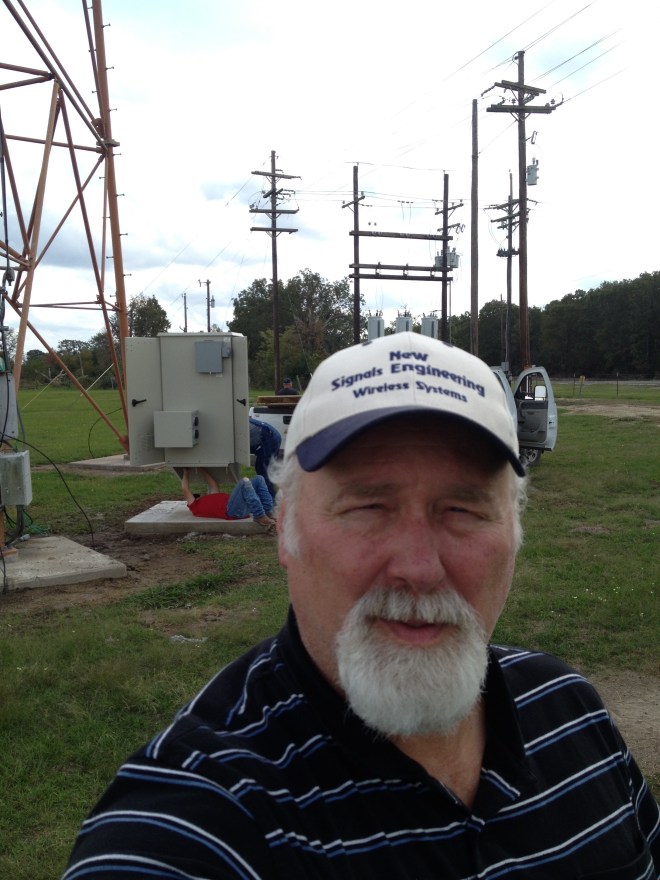
Here lies John E. Hargrove January 24, 1958 – [date yet to be written]
A boy from Buna who never stopped wondering how things worked and never stopped trying to make them work for others.
He chased signals across microwave towers and fiber miles, built networks that carried light to forgotten places, and in the darkest valleys carried the light of Christ to broken hearts.
Husband to Leisa for a lifetime and beyond, father to Joshua—whose brief life taught him how to love forever, son of Robert and Lavee, brother, friend, mentor, builder.
He knew grief intimately, yet chose every morning to show up, to do the quiet work that lasts when applause has long faded.
He was not perfect. He was faithful.
Still learning. Still building. Still becoming. Now, at last, fully known and fully home.
Acts 1:8 presents the risen Christ’s final commission to His disciples and sets the enduring pattern for the Church’s mission. Across the major translations, the central message remains unchanged: authentic ministry begins with divine empowerment, not human ingenuity. The promise, “you will receive power,” speaks of the Spirit-given capacity to speak, act, persevere, and represent Christ in ways far beyond natural ability. This empowerment is never abstract. It is tied directly to purpose—“you will be my witnesses.”
A witness, biblically, is one who embodies and testifies to the reality of the risen Christ. Witnessing is more than verbal proclamation; it is a life marked by truth, grace, and the authority of Jesus made visible. The geographic movement—Jerusalem, Judea, Samaria, and to the ends of the earth—illustrates the outward progression of this calling. It begins where we stand, reaches those near us, crosses boundaries we would not choose on our own, and ultimately touches the whole world. The mission is outward-facing, intentional, and entirely Spirit-driven.
The translations highlight different nuances. The NLT emphasizes the practical dimension—“telling people about me everywhere.” The ESV and NIV maintain the formal commission—“you will be my witnesses.” The Berean Standard reflects closely the structure of the Greek text, holding empowerment and mandate side by side. Together, they articulate the Church’s identity as a Spirit-empowered people bearing the testimony of Jesus across every place, every community, and every generation.
Yet between Acts 1:8 and our daily lives, a gap often emerges. Scripture describes power, but our experience sometimes feels marked by worry, fear, doubt, or persistent sin. It is not that the Spirit has withdrawn; rather, the supernatural is often constrained by the natural—by the patterns of thinking and living that we default to in the flesh. Many believers either forget how to walk in the power of the Spirit or were never taught what that life looks like.
The Spirit is not merely a comforter. He is an active force, the animating power of God within us. Galatians 5:25 captures this call plainly: “If we live by the Spirit, let us also keep in step with the Spirit.” Witnesses are not self-made. They are Spirit-formed, Spirit-enabled, and Spirit-directed. The effectiveness of their lives does not come from strategy, personality, or cleverness, but from the power of the Holy Spirit working through them.
Understanding our design helps bridge the gap. We are created as spirit, soul, and body. The flesh—our fallen, natural inclinations—cannot produce life. The soul—our mind, will, and emotions—can be shaped either by the flesh or by the Spirit. The spirit—the part of us made alive in Christ—was designed to lead. But distraction, pressure, and sin turn our attention away from the Spirit and back toward the flesh. When we live facing the flesh, we live in weakness. When we turn toward the Spirit, the power of God illuminates the soul and brings the whole person into alignment with His purposes.
So the essential question becomes: What are you looking at? What direction is your inner life facing—toward your own strength or toward the Spirit who empowers?
Acts 1:8 is not simply a historical statement. It is an invitation to daily dependence:
“Lord, fill me. Lead me. Empower me to walk in the Spirit and reveal Christ through my life.”
When the Spirit leads, the gap closes. The witness becomes real. The power becomes visible. And ordinary lives become instruments of the risen Christ in the world.
Some days I’m reminded to go back to the starting point. “In the beginning was the Word…” That truth centers me. It reminds me that everything we’re doing—family, work, community—rests on something solid and steady.
The scriptures in the RCL today lean into that same hope.
Daniel talks about God standing with His people even in hard seasons. Psalm 16 says our security isn’t in what we build, but in the One who holds us. Hebrews encourages us to keep lifting each other up. And in Mark, Jesus tells us not to get lost in the noise or fear when the world feels shaky.
Then He brings it all home: “I came that they may have life, and have it more abundantly.”
That’s the thread that runs through it all. A reminder that real life—steady, grounded, meaningful—comes from the One who speaks light into dark places and hope into tired hearts.
So if you’re carrying a lot today, take a breath. The One who was there in the beginning is still speaking life now. We can walk forward with that.
I’ve been thinking a lot lately about what it means to do work that matters when it feels like no one cares.
For the past few years, I’ve been advocating for rural East Texas communities—places like Buna, Newton, San Augustine. I’ve built communication frameworks, written strategic plans, installed digital kiosks, organized meetings, drafted policy briefs. I’ve tried to give voice to communities that have been systematically left out of planning conversations, to help people shape their own futures instead of having decisions made for them from far away.
Most days, it feels like pushing a boulder uphill alone.
The Generational Game
I’m starting to realize this work isn’t measured in months or even years—it’s generational. The infrastructure I’m building, these communication frameworks and pilot models and community briefs, they’re seeds that may not fully mature in my lifetime. And I think I’ve been measuring success wrong.
Maybe success isn’t getting county commissioners to read every brief I send. Maybe it’s that one local leader who picks up this work five years from now and has a template to start from. Maybe it’s just that these documents exist at all—proof that someone saw what was happening, cared enough to name it, and offered solutions.
That’s not failure. That’s foundation-building.
Celebrating What’s Actually There
When the big wins feel impossible, I’m learning to notice the small ones:
A county commissioner who actually responded to a community brief
A kiosk that’s been running for six months without breaking down
One new business owner who showed up to learn about the community
The fact that I’ve created templates other rural organizers can use
These aren’t nothing. They’re evidence of progress, even if they’re not transformation yet.
Finding My People
The San Augustine meeting this year reminded me of something important. Sitting around that table with Eddie, Nancy, Tania, and Marianne—people doing similar work in their own communities—I didn’t feel alone. We shared frustrations, traded contacts, problem-solved together.
I’ve been spending too much energy seeking alignment “up”—with county officials, state agencies, foundations—and not enough building lateral relationships with peers. Those relationships aren’t just strategic. They’re sanity-preserving. They remind me I’m not crazy for thinking this work matters.
Even when nothing changes immediately, these reports I’m writing serve a purpose:
They validate what communities are experiencing
They create a record for future organizers
They protect against institutional amnesia (“we didn’t know there was a problem”)
I need to remember that documentation is activism. Recording what’s happening, naming the gaps, proposing solutions—that’s meaningful work even when it doesn’t produce immediate results.
Not everyone is going to get it. Some officials will remain indifferent. Some developers will keep ignoring community input. Some residents will stay skeptical of any change.
That’s okay. The goal isn’t to convince everyone—it’s to build enough of a coalition to create momentum. I don’t need universal support for this work to matter.
Taking Real Breaks
I’m bad at this one. I need to take actual breaks—not performative self-care, but real disengagement. Days where I don’t mention rural development. Weeks where the kiosks can wait.
This work will always be there. It’s generational, remember? Burning out doesn’t serve anyone.
I’m trying to get more specific about what meaningful progress would look like in the next year. Not transformation—just progress:
Three communities actually using the communication framework I built
One successful regional roundtable where rural leaders are at the table
Maybe a single rural navigator position gets funded somewhere
When I make it concrete like that, I can tell the difference between “not enough impact yet” and “actually making progress.” They’re not the same thing.
Buna, Newton, San Augustine—these aren’t abstractions to me. They’re people who deserve to shape their own futures. The work I’m doing affirms their dignity and their right to be heard.
That has value independent of whether it produces immediate systemic change.
The fact that I keep showing up, keep documenting, keep building frameworks when no one asked me to—I don’t think that’s naivete anymore. I think it’s moral courage. Or stubbornness. Maybe both.
The question isn’t whether to keep going. It’s how to keep going sustainably, strategically, with enough support to avoid burning out completely.
I don’t have all the answers yet. But writing this helps. Naming what’s hard helps. Remembering I’m building foundations, not finished structures—that helps too.
If you’re doing similar work somewhere else—advocating for a place everyone else overlooks, building infrastructure no one asked for, showing up when it feels pointless—you’re not alone. And you’re not crazy.
The light of Christ does not arrive after the night ends—it enters while it is still dark. God’s promise is not that suffering will disappear before He comes, but that His presence is stronger than any darkness you’re walking through.
“The people walking in darkness have seen a great light; on those living in the land of deep darkness a light has dawned.”
For centuries, Israel walked in shadows. They were exiled, oppressed, silenced—waiting for God to return. They didn’t know when or how. But the prophets kept whispering: Light is coming. Not someday when everything is fixed. Not after you’ve earned it. The light comes into the darkness, meeting you exactly where you are.
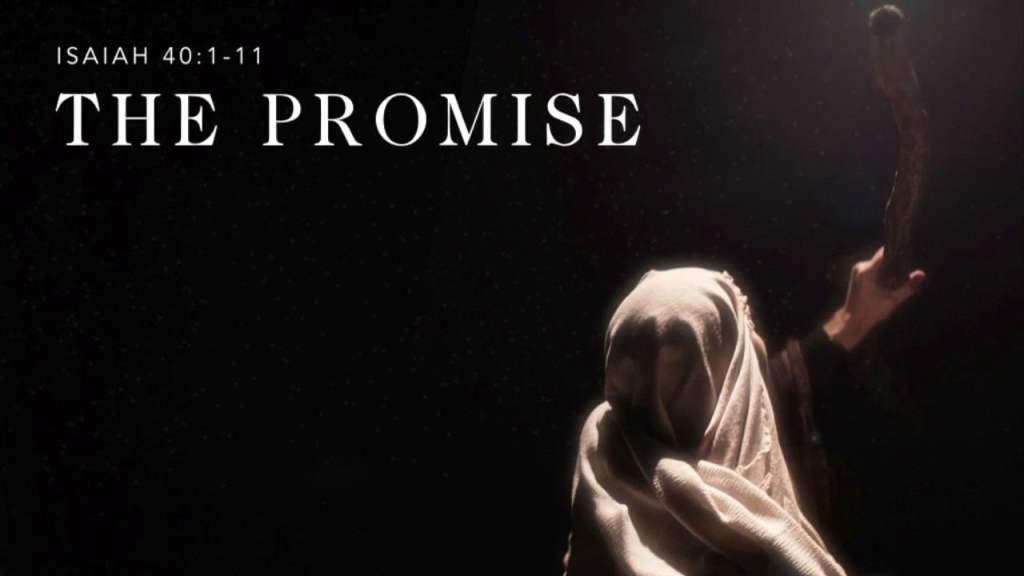
Isaiah 40:1-11
“Comfort, comfort my people, says your God… The voice of one calling: ‘In the wilderness prepare the way for the LORD; make straight in the desert a highway for our God.'”
God doesn’t wait for the path to be perfect before He comes. He comes into the wilderness—the place of broken things, lost things, wandering things. And His coming transforms the terrain itself. The desert becomes a highway. The crooked places are made straight. You don’t have to clean yourself up first.
Malachi 3:1
“I will send my messenger, who will prepare the way before me. Then suddenly the Lord you are seeking will come to his temple.”
After 400 years of silence, God promises to speak again. The people had given up hope. They thought God had abandoned them. But He was preparing His coming all along. In your silence, in your waiting, in your despair—God is preparing His coming too.
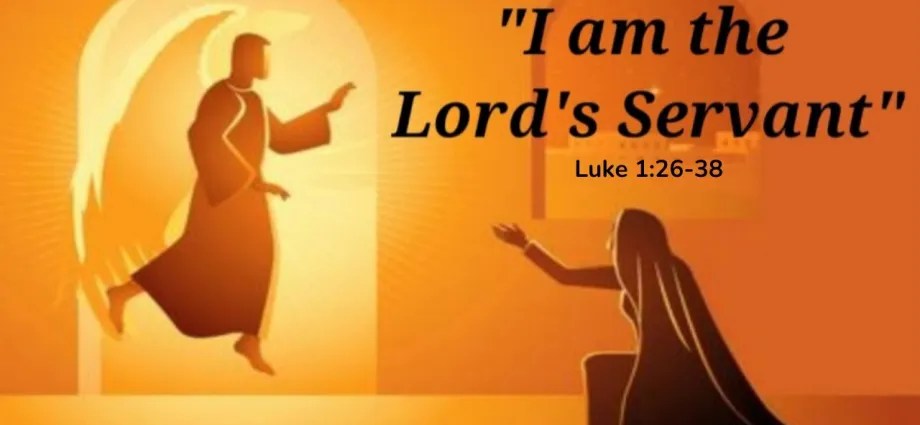
Luke 1:26-38
Mary’s encounter with Gabriel. An ordinary girl in an ordinary place receives an extraordinary promise. “The Lord is with you,” the angel says. Not because Mary deserves it. Not because she’s perfect or ready. But because God chooses her. And she chooses to trust.
Luke 2:25-32
Simeon has waited his whole life for God’s promise. “Lord, now let your servant depart in peace, for my eyes have seen your salvation.” He recognized Jesus immediately—not because he was looking for a king, but because he knew what hope looked like after a lifetime of waiting.
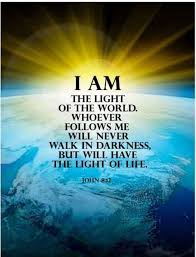
John 8:12
“I am the light of the world. Whoever follows me will never walk in darkness, but will have the light of life.”
Jesus doesn’t say the darkness goes away when you follow Him. He says you won’t walk in it alone. The light walks with you, through you, ahead of you.
What This Means for You
Your darkness is not disqualifying. God’s light doesn’t wait for you to get better, sober, stronger, or more worthy. It comes for you in the mess, in the relapse, in the confusion. That’s when it matters most.
Waiting doesn’t mean abandonment. Israel waited 400 years. You may have waited years for healing. That silence wasn’t absence—it was God preparing His coming. Your waiting is not wasted.
Hope is not naive. Israel knew their pain. They lived it every day. But they also knew God’s promises. Healing doesn’t deny the darkness; it walks through it with company. Your hope can hold both the pain and the promise.
You are seen and called by name. Like Mary. Like Simeon. Like the people Isaiah spoke to. You are not invisible to God. He knows your wilderness and your waiting. He comes for you personally.
The light exposes to heal, not to shame. When Christ’s light comes into darkness, it reveals what was hidden—not to condemn you, but to heal you. In recovery, you learn to name your pain, your choices, your truth. That exposure is the beginning of freedom, not judgment.
You can trust the light. After years of living in darkness—whether addiction, abuse, silence, or shame—trusting light feels dangerous. But Jesus says: follow me. You won’t walk alone. The light is stronger than any relapse, any failure, any day you think you can’t make it.
Discussion Questions
What kinds of darkness have you walked through? What did that darkness feel like?
Israel waited 400 years for God to speak. When have you waited for hope? What sustained you?
When light breaks through after long darkness, what does that feel like? Does it ever feel scary?
In your recovery or healing, where have you experienced God “entering the darkness” rather than waiting for things to be perfect first?
What does it mean that the light comes while you’re still walking in darkness, not after the darkness ends?
How does it change things to know that Christ’s light exposes wounds to heal them, not to shame you?
Who in your life has been “light” to you when you were in a dark place?
This Week’s Practice
Read Isaiah 9:1 each morning. Let it be your mirror. You are the people walking in darkness. The light has come for you.
Journal one word each day: “One way I see light breaking through today…” Notice small things—a moment of peace, a connection with someone, a choice you made toward healing, grace you received.
Sit in one dark room this week. Literally. Sit in darkness for 5-10 minutes. Notice how even a small light—a candle, a phone screen—changes everything. Let that be your prayer: Jesus, be that light for me.
Memorize: “The people walking in darkness have seen a great light; on those living in the land of deep darkness a light has dawned.” (Isaiah 9:2)
Call or text one person this week who has been light to you in your darkness. Thank them. Tell them what their presence meant.
Daily Reflections
DAY 1 – DARKNESS AND LONGING
Read Isaiah 9:1-7
Imagine Israel waiting. Centuries of waiting. Foreign rulers, broken temples, silence from heaven. But in that darkness, they held onto a promise: the light is coming.
Where in your life do you feel like you’re waiting? In your recovery? In your relationships? In your faith?
Ask God: “Help me wait without losing hope. Show me signs that You’re coming, even now.”
DAY 2 – GOD IN THE WILDERNESS
Read Isaiah 40:1-11
God doesn’t meet us at the finish line. He meets us in the wilderness—where we’re lost, broken, confused.
What does your wilderness look like right now? Where do you feel most lost?
Sit with this: God is preparing a highway through your desert. Not to skip the hard parts, but to make a way through them. You’re not alone in there.
DAY 3 – AFTER THE SILENCE
Read Malachi 3:1
Four hundred years. That’s how long Israel waited after God stopped speaking. Four hundred years of silence. And then: “I will send my messenger.”
Have you experienced silence from God? A time when you didn’t hear His voice, didn’t feel His presence?
Healing often begins in silence. Sometimes God is quiet not because He’s absent, but because He’s coming. Write: “One way I’ve experienced God’s silence was…”
DAY 4 – CALLED BY NAME
Read Luke 1:26-38
Mary was nobody important. Just a young girl in a small town. But when the angel came, he didn’t say, “You’ve earned this.” He said, “The Lord is with you.”
God doesn’t call the qualified. He qualifies the called. He comes to ordinary people in ordinary places and says: You. I choose you.
Ask yourself: What would change if I truly believed God chose me—not because I’m perfect, but because I’m His?
DAY 5 – RECOGNIZING THE LIGHT
Read Luke 2:25-32
Simeon waited his whole life. He was old. He had waited so long he might have stopped looking. But when Jesus came, he knew. Something in him recognized what he’d been waiting for.
In your recovery, have you had moments where you suddenly recognized healing? Where hope showed up when you least expected it?
Write: “I recognized God’s light when…”
DAY 6 – WALKING IN LIGHT
Read John 8:12
“Whoever follows me will never walk in darkness, but will have the light of life.”
Not: the darkness goes away. Not: you’ll never struggle again.
But: you will not walk alone. The light walks with you.
In what area of your recovery do you most need to remember: I’m not walking this alone?
DAY 7 – REST IN THE PROMISE
Read all passages from this week, slowly.
This week, you’ve sat with Israel’s waiting, with God’s silence, with His sudden breaking-through. You’ve remembered that light doesn’t wait for perfection. It comes into the mess.
Today, simply rest. Let yourself feel seen by God. Let yourself trust that the light you’ve seen—in yourself, in your recovery, in God’s grace—is real and strong.
Write: “The light I’m holding onto this week is…”
A Word for You
You are not too dark for God’s light. You are not too far gone, too broken, too much of a mess. The light of Christ enters darkness—it doesn’t wait for the darkness to leave first. In your recovery, in your healing, you are learning to walk in that light. Some days it feels bright. Some days it’s just a flicker. But it’s there. And it’s stronger than you know.
Next Week: The Gift of Presence (Luke 2, Matthew 2; Incarnation and Emmanuel)
Isaiah 6:1 — “In the year that King Uzziah died, I saw also the Lord.”
There are moments in our spiritual lives when God allows the “heroes” — the people or things we’ve leaned on — to fall away. It may be a mentor, a parent, a pastor, a dream, or even a sense of security that once held our world together. When that pillar collapses, we are faced with a question: will we crumble with it, or will we look up and see the Lord?
Isaiah’s vision came in a year of loss. King Uzziah had been a symbol of stability and strength for Judah, yet when he died, the prophet’s eyes were opened to a greater throne — one that never shakes, one that reigns forever. The passing of what we depended on often becomes the doorway to a deeper revelation of who God is.
Our walk with God is often marked by this rhythm: the passing of the hero, the unveiling of the Holy. God removes our props so we can finally stand before Him alone. When He strips away what substitutes for His presence, He isn’t being cruel — He’s being kind. He’s preparing us to see Him clearly.
Our ability to see God depends on the condition of our character. Until we are purified — until our self-reliance, pride, and prejudice are burned away — our eyes remain dim. New birth opens spiritual sight; suffering sharpens it. The external events that break us and the internal work that cleanses us are both part of God’s surgery to reveal Himself.
So the question echoes: when loss comes, what do I see?
Do I see emptiness and despair, or do I see the Lord high and lifted up?
Faith matures when God becomes our first, our second, and our third — when every other voice fades and only His remains. “In all the world there is none but Thee, my God, there is none but Thee.”
Keep paying the price of vision. Stay faithful when the familiar falls. Let God see that you are willing to live up to what He has shown you — even when it costs. For in every “year that Uzziah dies,” there waits a throne still occupied, and a King still holy.
Reflection Prayer
Lord, when You remove what I’ve relied on, help me not to faint but to look up. Purify my heart until I can see You clearly. Teach me to find You not after the loss is healed, but in the very moment of it. May my cry be not “I gave up,” but “I saw the Lord.” Amen
Before the Gospel of John ever opens with those majestic words—”In the beginning was the Word”—the Old Testament has been quietly preparing us for this revelation. Long before John identifies Jesus as the living Word of God, Scripture reveals a God who speaks and, by speaking, creates. A God whose very voice has power to bring light from darkness, order from chaos, and life from death.
This week, we begin our journey toward the Gospel of John by stepping back into the foundational stories of Genesis, Exodus, and Proverbs. We’re not just learning background information—we’re encountering the God who has always expressed Himself through His Word. Whether you’re stepping back into faith after years of wandering, or finding God for the first time in recovery, this truth is for you: the same God who spoke the universe into existence wants to speak new life into your story.
The question this week invites us to consider is simple but profound: What happens when God speaks?
The Pattern of Creation: God Said
Genesis 1:1-3, 26-27 — The Word That Creates
“In the beginning God created the heavens and the earth. Now the earth was formless and empty, darkness was over the surface of the deep, and the Spirit of God was hovering over the waters. And God said, ‘Let there be light,’ and there was light.” (Genesis 1:1-3)
Notice the pattern that unfolds throughout Genesis 1: “God said… and it was so.” Ten times in the first chapter, God speaks, and reality responds. Light appears. Waters divide. Vegetation springs forth. Living creatures fill the earth and sky. The universe doesn’t evolve randomly or emerge by accident—it comes into being through the creative speech of God.
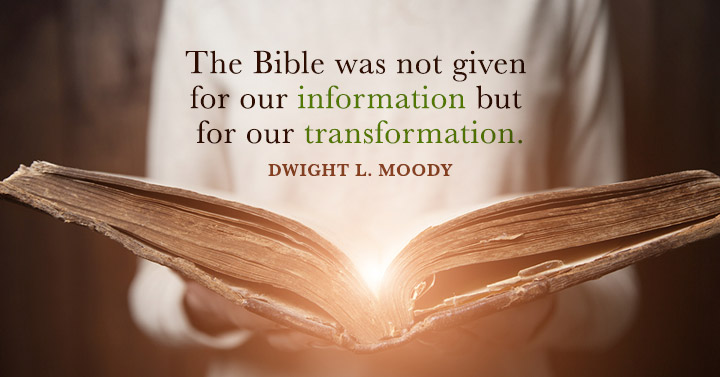
This is more than a historical claim about origins. It’s a revelation about the nature of God’s Word. When God speaks, His Word carries the power to accomplish what it declares. His Word doesn’t just describe reality—it creates reality. This is the God we’re preparing to meet in John’s Gospel: the God whose Word is not merely information but transformation.
The creation account reaches its climax in Genesis 1:26-27 with the creation of humanity:
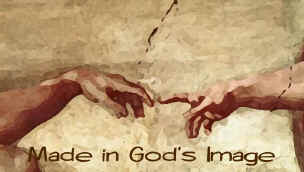
“Then God said, ‘Let us make mankind in our image, in our likeness…’ So God created mankind in his own image, in the image of God he created them; male and female he created them.”
Unlike the rest of creation, which God speaks into existence with simple commands, humanity receives a different kind of attention. We are created “in God’s image”—bearing the mark of the God who speaks, thinks, creates, and loves. You were made to reflect the character of the One who spoke you into being. No matter how broken or chaotic your life may feel right now, this truth remains: you bear the image of the God who creates with His Word.
The World Before the Word Speaks
Before God speaks in Genesis 1:3, the earth is described as “formless and empty”—tohu va-bohu in Hebrew, a phrase that evokes utter chaos and meaninglessness. Darkness covers everything. Nothing has shape or purpose. It’s a picture of complete disorder.
Many of us know what it feels like to live in that formless void. Addiction leaves life shapeless—days blur together, relationships unravel, and purpose evaporates. Trauma creates darkness where hope used to be. Broken promises, lost years, burned bridges—these experiences leave us feeling as formless and empty as the world before God’s first creative word.
But here’s the hope embedded in Genesis 1: chaos is not where the story ends. God doesn’t leave the world formless. The Spirit of God hovers over the darkness, and then—”God said, ‘Let there be light.'” The pattern is set: God speaks, and chaos gives way to order. Darkness gives way to light. Death gives way to life.
The God Who Reveals Himself: I AM WHO I AM
Exodus 3:13-15 — The Divine Name
“Moses said to God, ‘Suppose I go to the Israelites and say to them, “The God of your fathers has sent me to you,” and they ask me, “What is his name?” Then what shall I tell them?’ God said to Moses, ‘I AM WHO I AM. This is what you are to say to the Israelites: “I AM has sent me to you.”‘” (Exodus 3:13-14)
Centuries after creation, God reveals Himself to Moses from a burning bush in the wilderness. Moses, a fugitive with a broken past, encounters the holy presence of God on what seems like ordinary ground. God calls Moses by name and commissions him to lead Israel out of slavery.
When Moses asks for God’s name, God’s answer is stunning in its simplicity: “I AM WHO I AM.” This name—YHWH in Hebrew, often rendered as Yahweh or Jehovah—is not a label but a declaration of eternal, self-sufficient existence. God is not dependent on anything outside Himself. He simply is. He is the source of all life, all power, all reality.
But the name “I AM” is also deeply personal. God doesn’t say, “I am everything” or “I am an abstract force.” He says, “I AM”—present tense, active, engaged. This God exists not in some distant heaven but right here, right now, speaking to a broken man in the wilderness. God is present with Moses in his failure, in his hiding, in his fear. And God is present with you in yours.
The burning bush becomes holy ground not because of the location but because God is present there. In the same way, wherever you are right now—no matter how ordinary or painful—becomes holy ground when God speaks to you. He sees you. He knows your name. He is the great I AM, and He is here.
From Chaos to Calling
Moses’ story mirrors the pattern of Genesis 1. Before God speaks, Moses’ life is formless—forty years of aimless wandering in the desert after fleeing Egypt in shame. He’s hiding from his past, tending someone else’s sheep, convinced his life has no purpose.
But then God speaks. And when God speaks, everything changes. The voice from the burning bush doesn’t just give Moses information—it gives him identity, purpose, and mission. “I AM” calls Moses by name and commissions him to bring freedom to an enslaved people. The same man who fled Egypt in disgrace will return as God’s chosen deliverer.
This is what God’s Word does: it transforms chaos into calling. It takes the broken pieces of your past and speaks purpose over them. The years you thought were wasted become preparation for the mission God has for you. Nothing is too far gone for God’s creative Word to redeem.
Wisdom Beside God in Creation
Proverbs 8:22-31 — The Word Was There
“The LORD brought me forth as the first of his works, before his deeds of old; I was formed long ages ago, at the very beginning, when the world came to be… I was there when he set the heavens in place… when he marked out the foundations of the earth. Then I was constantly at his side. I was filled with delight day after day, rejoicing always in his presence.” (Proverbs 8:22-23, 27, 29-30)
In Proverbs 8, Wisdom speaks and describes herself as being with God before the creation of the world. She was there “at the very beginning,” present as God shaped the cosmos, set the heavens in place, and marked out the boundaries of earth and sea. Wisdom wasn’t a distant observer—she was “constantly at his side,” delighting in God’s creative work.
Early Christians reading this passage saw something profound: a foreshadowing of Jesus Christ, the Word made flesh. John 1 will declare, “In the beginning was the Word, and the Word was with God, and the Word was God. He was with God in the beginning. Through him all things were made.” The Wisdom beside God in creation is the same Word who will take on human flesh and dwell among us.
This matters because it means the Word is not a late addition to God’s plan. Jesus is not Plan B. From before the foundation of the world, the Word was with God, active in creation, rejoicing in relationship with the Father. The God who will meet us personally in John’s Gospel is the same God who has been speaking and creating from the very beginning.
When we read Proverbs 8 through the lens of John 1, we see that creation itself was an act of divine communication. The Word wasn’t just present at creation—the Word was the means of creation. Everything that exists came into being through this eternal Word. And now, the same Word that spoke galaxies into existence wants to speak life into your chaos.
What This Means for Us: New Beginnings
So what does all this ancient history have to do with your life today? Everything.
If God spoke creation into existence, He can speak new creation into your life. If His Word brought light into the primordial darkness, His Word can bring light into your darkest moments. If God called Moses by name in the wilderness and gave him purpose, God can call you by name and restore meaning to your story.
The same power that hovered over the formless void hovers over your life right now. The same God who said “Let there be light” wants to speak words of hope, healing, and transformation over every broken place. You are not too far gone. Your past is not beyond redemption. The chaos you’re experiencing is not where your story ends—it’s where God’s creative Word begins.
This week, as we prepare to enter John’s Gospel, we’re learning to listen for God’s voice. We’re training our hearts to recognize that when God speaks, things happen. Dead places come to life. Disordered lives find purpose. Darkness gives way to light. This is the God we’re preparing to meet—not a distant deity, but the great I AM who speaks and creates, who calls us by name and invites us into new life.
Discussion Questions
Genesis 1 — God Speaks Creation Into Chaos
What do you notice about the pattern of creation when God says, “Let there be”?
What kind of world existed before God spoke? How does that picture of “formless and void” resemble seasons of your own life?
Why do you think God chose to bring light first? What does “Let there be light” mean for a person coming out of darkness or addiction?
What does this chapter teach about God’s power to create order where there was confusion?
If God’s Word can shape creation, what might He want to create or restore in you right now?
Exodus 3 — God Calls From the Burning Bush
What stands out to you about Moses’ situation before God speaks to him?
Why does God choose to speak through something as ordinary as a bush in the desert? What does that tell us about how He meets people?
When God says, “I AM WHO I AM,” what does that reveal about His presence and power?
How do you think Moses felt hearing God call his name? How might God be calling yours today?
What part of your past or your pain might God be turning into holy ground if you’ll stop and listen?
Personal Connection
Where have you seen God speak peace or purpose into a broken place in your life?
What would it mean for you to believe that no one—including you—is too far gone for God to start over?
How can we let God’s Word name us again—beloved, not broken—in our daily choices and relationships this week?
This Week’s Practice: Listening for God’s Voice
Throughout this week, practice listening for God’s voice in the ordinary moments of your day. Here are some ways to cultivate awareness of God’s creative Word at work:
Begin each morning by reading John 1:1-5 slowly. Let these verses remind you that the God who spoke creation into being wants to speak to you today.
Journal one simple prayer each day: “God, where do I need new creation? What word of life do You want to speak into my chaos?”
Notice moments of light breaking through darkness. When you experience unexpected hope, peace, or clarity, pause and thank God for speaking into your situation.
Share your story. Tell one person this week about a time when God spoke something new into your life—a time when His Word brought order to chaos or hope to despair.
Memorize one verse: “In the beginning was the Word, and the Word was with God, and the Word was God” (John 1:1).
Looking Ahead: Preparing for the Light
This week lays the foundation for everything we’ll discover in John’s Gospel. We’ve seen that God speaks and creates. We’ve heard God reveal Himself as the great I AM. We’ve glimpsed the Wisdom who was with God from the beginning—the Word who will soon become flesh and dwell among us.
Next week, we’ll move from creation to promise as we explore how Israel longed for God’s light to break into their darkness. We’ll see how the prophets pointed forward to a coming Messiah who would be the Light of the World. And we’ll discover that the same light Isaiah promised is the light John proclaims: “The light shines in the darkness, and the darkness has not overcome it.”
Until then, live in this truth: The God who spoke “Let there be light” over the primordial darkness is speaking over your life today. Listen for His voice. Trust His Word. Watch for the new creation He is bringing forth in you.
• • •
“For God, who said, ‘Let light shine out of darkness,’ made his light shine in our hearts to give us the light of the knowledge of God’s glory displayed in the face of Christ.” (2 Corinthians 4:6)
Major Occurrences of God Speaking in the Old Testament
Statistical Overview
According to detailed biblical analysis, God spoke directly to people approximately 476 times throughout the Old Testament’s 929 chapters—averaging about one chapter in every two containing direct divine communication.
Key Patterns and Phrases
The most common expression used is “The Lord said to…” which appears 223 times in the ESV translation.
Major Recipients of God’s Direct Speech
The Patriarchs: God spoke to Noah 5 times over 950 years, Abraham 8 times over 175 years, Isaac 2 times (with 1 time to Rebekah) over 180 years, and Jacob 7 times during his lifetime.
Moses and the Exodus:
Genesis 1-3: God speaks during creation and to Adam and Eve
Exodus 3: The burning bush encounter
Exodus 20: The Ten Commandments
Throughout Exodus-Deuteronomy: Giving the Law and instructions
The Prophets:
Samuel, Nathan, Elijah, Elisha
Isaiah, Jeremiah, Ezekiel, Daniel
The twelve minor prophets
Others: Noah and his sons (Genesis 6:13-21, 7:1-4, 8:15-17, 9:1-17), along with various judges, kings, and leaders throughout Israel’s history.
Methods God Used to Speak
The Old Testament records God speaking through various means including:
A burning bush (Exodus 3)
A thick cloud (Exodus 19:9)
A gentle whisper (1 Kings 19:12)
Direct audible voice
Dreams and visions
Angels as messengers
Prophetic inspiration
Through creation itself
Writing on the wall (Daniel 5)
Important Theological Note
After the fall of Adam and Eve, God’s pattern shifted from regular fellowship to communicating with specific individuals at specific times for specific purposes, always involving His redemptive plan rather than personal issues.
Longest Address
Of all the recorded instances where God spoke directly to people in the Old Testament, His longest address was to Job.
This extensive pattern of divine communication established the foundation for understanding Jesus as “the Word made flesh” in John’s Gospel—the ultimate and final way God has chosen to speak to humanity.
(inspired by Pete Townshend’s song and the words of Jesus in Matthew 22:37–40)
When Pete Townshend sang, “Let my love open the door to your heart,” he probably wasn’t trying to preach a sermon—but he touched on something deeply spiritual. Love is the master key. Jesus said it even more plainly:
“‘Love the Lord your God with all your heart and with all your soul and with all your mind.’
This is the first and greatest commandment.
And the second is like it: ‘Love your neighbor as yourself.’
All the Law and the Prophets hang on these two commandments.”
—Matthew 22:37–40
Everything—every rule, every teaching, every act of faith—hinges on love. When Jesus boiled down the whole of Scripture into two laws, He was saying that religion isn’t about gates and guards; it’s about open doors.
When we love God fully, our hearts unlock to His presence. When we love others sincerely, their hearts begin to open too. The power that heals, restores, and reconciles begins to flow freely—because love always finds a way through.
So maybe today the invitation is simple:
Let His love open the door.
Let it unlock your fears, your grudges, your guarded places.
Let it swing wide the door of compassion for your neighbor, the one who’s hard to love, the one who doesn’t love you back.
The song says, “When people keep repeating that you’ll never fall in love… let my love open the door.”
Jesus says the same, only deeper. His love isn’t just romantic—it’s redemptive. It doesn’t just make life better; it makes life new.
Read: Revelation 14:12, Revelation 17–18, Revelation 21:1–5, Daniel 7:27
Main Idea
Prophecy calls believers to faithful endurance and living hope. Every Babel and Babylon eventually collapses under its own arrogance, but the Lamb reigns forever. Christ’s kingdom restores the full dignity of humanity and gathers His people into the New Jerusalem — the city of light, truth, and unbroken communion with God.
Word picture: Picture the skyline of human achievement — towers of glass and steel glowing in the night — and then imagine them trembling under a rising dawn. Every empire of pride fades in that light. But in the distance, a new city appears — its foundations gleaming like crystal, its gates open, its center radiant with the glory of God. That is the hope we are called to live for.
“Here is the perseverance of the saints, those who keep the commandments of God and the faith of Jesus.” (Revelation 14:12)
Expanded reflection: Endurance is not passive survival; it’s active faithfulness under weight. The Greek word hypomonē means to “stand fast,” like a tree that bends but does not break in the storm.
Word picture: Imagine a vineyard battered by wind — the branches sway, the leaves tear, but the roots hold deep in unseen soil. That is endurance. Culture may demand compromise — bend your ethics, silence your faith, trade conviction for comfort — but the believer’s roots go deeper than the storm.
Modern connection: Today’s pressures come wrapped in convenience: social approval, digital echo chambers, and the constant pull to conform. Endurance is the quiet miracle of remaining loyal to Christ when compromise would be easier and cheaper.
Key Thought 2: Humanity Restored in the Image of God
“Then the sovereignty, power and greatness of all the kingdoms under heaven will be handed over to the holy people of the Most High.” (Daniel 7:27)
Expanded reflection: Human identity is not an achievement; it is a gift. We are not self-created beings but image-bearers of a divine Maker. The modern temptation — from Eden to Neuralink — is to redefine humanity through enhancement or autonomy. Yet Scripture insists that true greatness is not in what we make, but in whom we reflect.
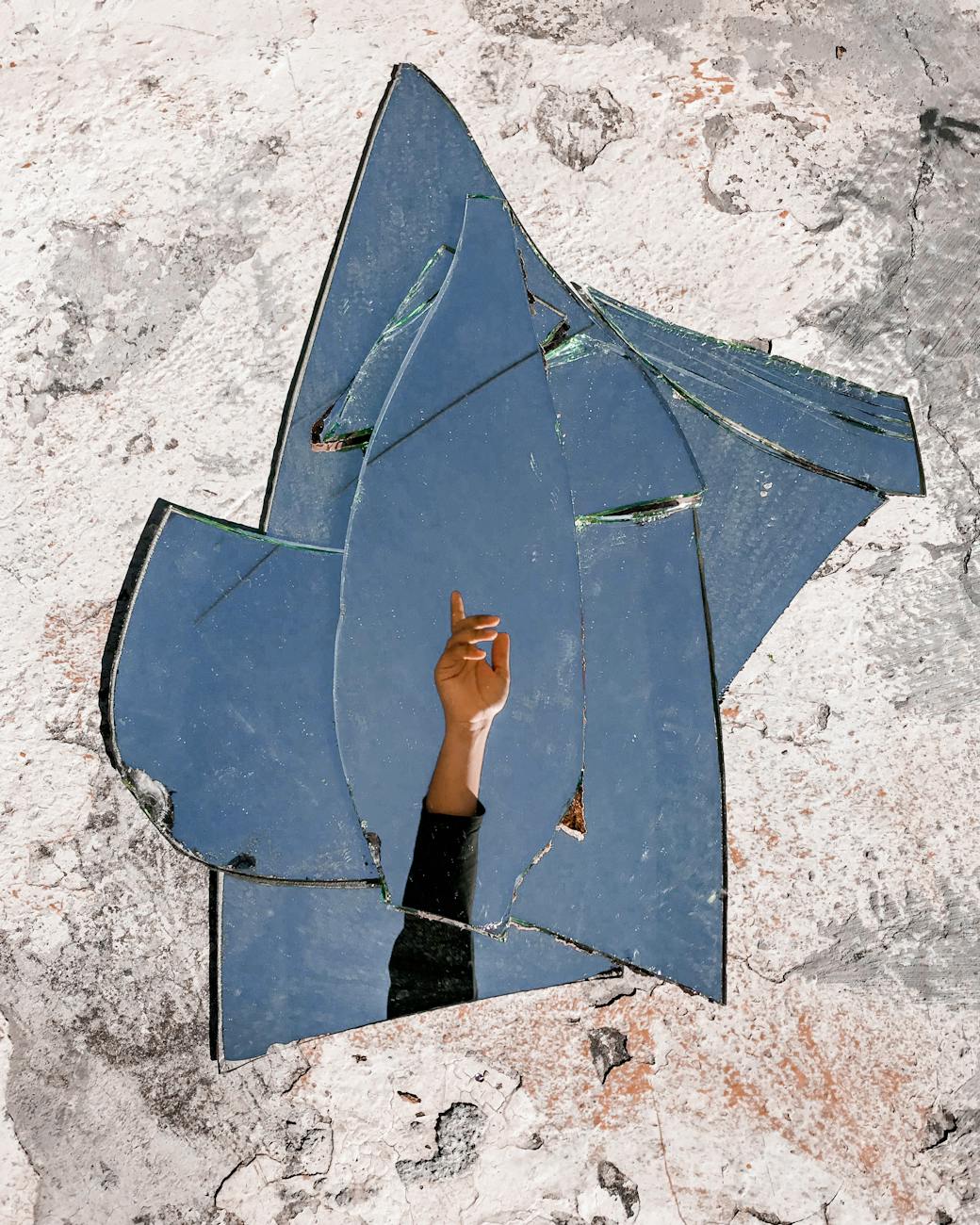
Word picture: Think of a mirror lying cracked in the dust. Technology tries to glue the shards together with data and design, but only the touch of the Creator can restore the reflection. Every redeemed life is a mirror lifted from the dust and turned back toward the light of Christ.
Modern connection: In an age obsessed with optimization, believers proclaim a counter-message: your worth was never in your capability, but in your calling. Humanity’s dignity is restored not by innovation, but by incarnation — God dwelling with us, remaking what sin has fractured.
Key Thought 3: Babylon Falls — The System of Pride and Exploitation
“Fallen, fallen is Babylon the great!” (Revelation 18:2)
Expanded reflection: Babylon is more than an ancient city; it is a spiritual pattern that repeats through history. Wherever wealth, power, and pleasure become ultimate, Babylon rises again. It builds towers of pride and systems of exploitation, dressing corruption in gold and music. But every Babylon, no matter how dazzling, is doomed to collapse.
Word picture: Picture a city of neon and noise, streets glittering with commerce, its citizens drunk on comfort and control. Then the lights flicker, the music stops, and smoke rises where towers once stood. Babylon’s brilliance was only a reflection of borrowed light — and when the true light comes, imitation cannot stand.
Modern connection: Babylon’s spirit still lives in global systems that trade human worth for profit and pleasure. Its modern temples are corporate skyscrapers, its prophets are algorithms promising fulfillment, its priests are influencers preaching self-worship. Revelation unmasks them: “Your merchants were the great men of the earth, but by your sorcery all nations were deceived.” (Rev. 18:23)
“Then I saw a new heaven and a new earth… and I heard a loud voice from the throne saying, ‘Behold, the dwelling place of God is with man.’” (Revelation 21:1–3)
Expanded reflection: Hope is not escapism; it is clarity of vision — seeing what lasts when the noise of history fades. The New Jerusalem is not an ethereal fantasy; it is the fulfillment of creation’s purpose: God and humanity finally dwelling together without fear, fracture, or shadow.
Word picture: Imagine color returning to a black-and-white world — the gray earth glowing with life again. Every tear wiped away, every scar transfigured into beauty. The river of life flows through the city like liquid light, and the Tree of Life shades every nation. The story that began in a garden ends in a city that is itself a garden — restored order, redeemed community, and radiant presence.
Modern connection: When the world feels anxious, fragile, and transitory, Christian hope anchors us. We don’t wait for escape; we wait for renewal. Hope empowers endurance because it sees the finish line.
Discussion Questions
What forms of pressure or compromise challenge believers today — and where do you feel them most personally?
How does the vision of the New Jerusalem reshape your perspective on progress, technology, or success?
In what ways can the church model endurance, community, and hope in a weary and divided world?
Personal Reflection
What fear or frustration about the future do I need to surrender to Christ’s authority?
Where can I practice courage and faithfulness in small, daily ways — in how I speak, rest, or resist conformity?
Word picture for reflection: Faithfulness is not a spotlight on a stage; it’s a candle in a window. One light, steady in the dark, saying to every passerby: Someone still believes. Someone is still waiting for morning.
Read Revelation 21:1–5 aloud together. Offer this prayer: “Lord Jesus, You reign above every power, every empire, every system. Teach us to live as citizens of Your unshakable kingdom — to endure with peace, to reflect Your image with humility, and to hope with joy until You make all things new.”
Word picture for closure: Close your eyes and imagine that final moment — the old world quiet, the air clear, and the voice of God saying, ‘Behold, I am making all things new.’ That is not a dream; it’s your destiny. Walk toward it with steady joy.
Session 1: Creation and stewardship — technology under God’s rule.
Session 2: Idolatry exposed — discernment and renewed minds.
Session 3: Endurance and hope — the Lamb’s kingdom that cannot fall.
Theological and Methodological Notes
This session (like the full study) reads prophecy canonically—connecting Daniel, Ezekiel, and Revelation through recurring patterns of human pride and divine restoration.
The approach is inductive and Christ-centered. It starts with the text, traces meaning through Scripture, and applies it to modern life.
It assumes the authority and sufficiency of Scripture, Christ’s lordship, and the indwelling Holy Spirit as the true source of wisdom and identity.
A pastoral call to endurance—not escape, but engagement with courage, humility, and hope. The ultimate truth is this: Every human tower will crumble, but the city of God endures forever
Old Testament Foundations: The Unseen Battle Behind History
1. Daniel — Empires and Angels (Daniel 10–12)
Daniel’s visions expose the “spiritual architecture” behind earthly power. In Daniel 10, the angel tells him, “The prince of the kingdom of Persia withstood me twenty-one days… then Michael, one of the chief princes, came to help me.” Behind the political empire of Persia stood spiritual powers resisting God’s purposes. Daniel learns that geopolitical shifts — wars, decrees, alliances — are part of a cosmic conflict between divine and demonic forces.
Key truth: History isn’t random; it’s contested. Every empire is both a political and spiritual entity.
Modern parallel (2019–2025): Global tensions — cyber warfare, ideological conflicts, and the competition between democratic and authoritarian systems — are more than policy battles. They reflect deeper spiritual struggles between truth and deception, freedom and control, human dignity and dehumanization. Just as Daniel saw empires rise under unseen influences, today’s world reveals similar forces: disinformation shaping nations, propaganda idolizing power, and truth being twisted for gain.
2. Ezekiel — Idolatry in the Temple (Ezekiel 8–14)
Ezekiel is transported in spirit to Jerusalem’s temple, where he sees leaders worshiping idols inside God’s house. The people’s politics and economy seemed prosperous, yet spiritually they were collapsing. The idols were visible symbols of invisible allegiance. Behind their public religion was private rebellion.
Key truth: National stability can mask moral decay. When a society enthrones pride, greed, or pleasure in place of God, its collapse begins long before the crisis becomes visible.
Modern parallel: The last five years have seen global cultures—east and west—wrestling with moral confusion. Wealth, media, and technology are worshiped as saviors promising progress, but rising anxiety, loneliness, and division reveal a spiritual vacuum. Like Israel before exile, nations still prosper materially while hollowing out spiritually. The “idols in the temple” today may be screens, ideologies, or systems we depend on more than God.
3. Isaiah — The Fall of Proud Kingdoms (Isaiah 14; 23; 47)
Isaiah’s oracles against Babylon, Tyre, and Assyria reveal the pattern of worldly arrogance: “You said in your heart, ‘I will ascend to heaven… I will make myself like the Most High.’ But you are brought down to Sheol.” Behind these nations stood the spirit of Lucifer — pride that exalts itself above God.
Key truth: Pride is the engine of every empire’s rise and the seed of its fall. When human systems claim ultimate authority, they echo Satan’s original rebellion.
Modern parallel: In recent years, the global race for technological supremacy and the promise of “digital utopia” mirror Babylon’s boast. AI systems that claim to “know everything,” political leaders who declare themselves saviors, and corporations that shape human identity through algorithms all reflect the same spiritual pride. These are not evil inventions in themselves, but they reveal a deeper contest: Who gets to define truth — God or man?
4. Exodus — Pharaoh’s Resistance and God’s Deliverance
The Exodus story reveals that liberation from oppression was not merely a political event; it was a spiritual confrontation between Yahweh and the gods of Egypt. Each plague humiliated a specific Egyptian deity (the Nile god, the sun god Ra, the fertility gods). God demonstrated His supremacy over every idolized power structure.
Key truth: God’s redemption of people always exposes false gods that enslave them.
Modern parallel: Recent years have shown “modern pharaohs” in new forms — systems of exploitation, human trafficking, addiction, and authoritarian control. Every movement for justice or freedom today still carries spiritual undertones: God breaking chains, idols losing their grip, and people awakening to truth. The Exodus pattern continues whenever the oppressed cry out and God confronts oppressive powers.
5. Job — Suffering as Spiritual Contest
Job’s calamities began not with random misfortune but with a heavenly dialogue. His story reveals the cosmic dimensions of personal suffering. Key truth: Even private pain has spiritual context. Faithfulness in adversity becomes a testimony to unseen worlds.
Modern parallel: The global pandemic (2020–2022) exposed more than biological vulnerability; it surfaced spiritual questions about mortality, meaning, and hope. Beneath the physical suffering lay a testing of faith, empathy, and endurance. Humanity was reminded that control is fragile and that life remains sacred and dependent on God’s mercy.
6. 2 Kings 6 — Elisha and the Invisible Army
When the Aramean army surrounded Elisha, his servant panicked until the prophet prayed, “Lord, open his eyes that he may see.” The young man then saw horses and chariots of fire surrounding them. Key truth: What looks like defeat in the visible realm often hides God’s deliverance in the invisible.
Modern parallel: In seasons of global instability — wars, pandemics, social upheaval — God’s protection often operates unseen: medical breakthroughs, peace initiatives, quiet acts of faith and generosity. The media shows chaos; heaven sees redemption unfolding.
Recent Examples of Spiritual Realities Behind Global Events (2019–2025)
1. The AI Revolution and the Battle for Truth Artificial intelligence has transformed communication, creativity, and information. Yet along with innovation comes deception—deepfakes, misinformation, and loss of discernment. This parallels the prophetic warnings of deceptive “images that speak” (Revelation 13). The issue is not technology itself but the spiritual war for truth and trust. Humanity faces again the ancient question: Whose voice will we believe?
2. Global Pandemic and the Idol of Control COVID-19 dismantled the illusion that humanity could manage every threat. Economies halted, fear spread, and nations turned inward. Spiritually, it was a humbling—a reminder that even advanced civilizations are not sovereign. Like Egypt’s plagues, the event revealed our dependence on God and the fragility of man-made security.
3. Political Polarization and the Spirit of Division Worldwide, ideological extremes have divided societies, from the U.S. to Europe to Asia. Behind this polarization is the same spiritual force that fractured Babel: the confusion of language and purpose when God is no longer central. The visible fights over culture, race, or ideology conceal a spiritual crisis—human pride replacing humility before God.
4. Wars and Refugee Movements (Ukraine, Gaza, Sudan, etc.) Conflict is not just geopolitical—it’s moral and spiritual. Innocent blood cries out (Genesis 4:10). War always exposes the clash between human cruelty and divine justice. It forces nations to confront questions of righteousness, mercy, and truth.
5. The Global Mental Health Crisis Rising anxiety, depression, and isolation worldwide reveal more than psychological strain—they are symptoms of spiritual hunger. The human soul, disconnected from meaning and community, becomes restless. Prophets like Jeremiah lamented similar despair when people turned to idols that “cannot satisfy” (Jer. 2:13).
Biblical Wisdom for Interpreting Modern Events
Look beneath the surface. Every worldly event—whether progress or crisis—reveals something about worship and trust. Ask, What does this reveal about humanity’s heart toward God?
Discern spirits, not headlines. Ephesians 6:12 reminds us: “We wrestle not against flesh and blood, but against rulers, authorities, powers of this dark world, and spiritual forces of evil in the heavenly realms.” Faith requires spiritual discernment, not just political or scientific analysis.
Respond with humility and holiness, not fear. When Daniel saw the empires’ rise, he didn’t panic; he prayed and fasted. Ezekiel interceded for the exiles. God’s people are called to steady faith, not reactionary fear.
Hold hope at the center. Behind the turbulence of history, God’s kingdom quietly advances. The same Spirit who moved over Babylon’s ruins and Egypt’s deserts now moves through global upheaval. The Lamb still reigns.
Conclusion
The Old Testament prophets looked at global events and saw spiritual architecture—the pride, idolatry, and divine purpose beneath history’s surface. Today, that pattern continues. Empires rise on data, wealth, and power, yet the same spiritual conflict unfolds: the Creator’s sovereignty versus humanity’s self-exaltation.
But the final word belongs not to technology, governments, or crises—it belongs to the same God who told Daniel, “The Most High rules the kingdom of men.” Behind every headline is a deeper story: God’s mercy pursuing His people and calling the world back to worship Him in spirit and in truth.




































 John Hargrove Seeking Truth and Reality